Verified buyer
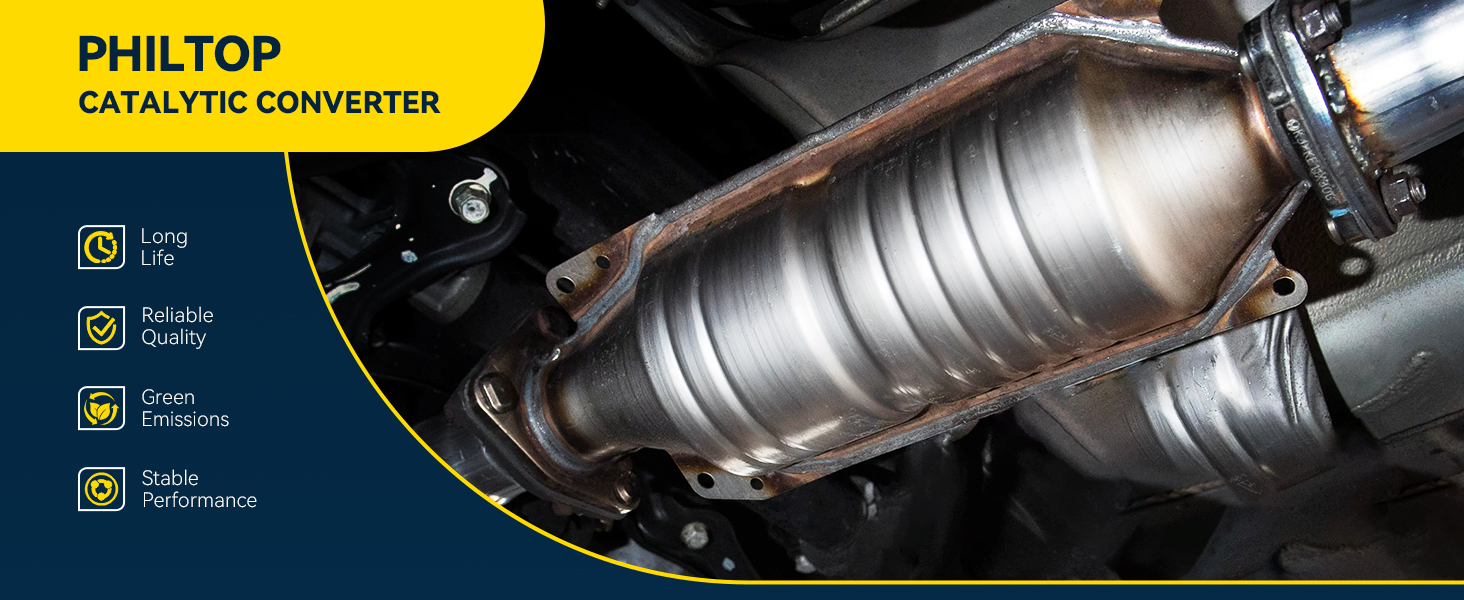
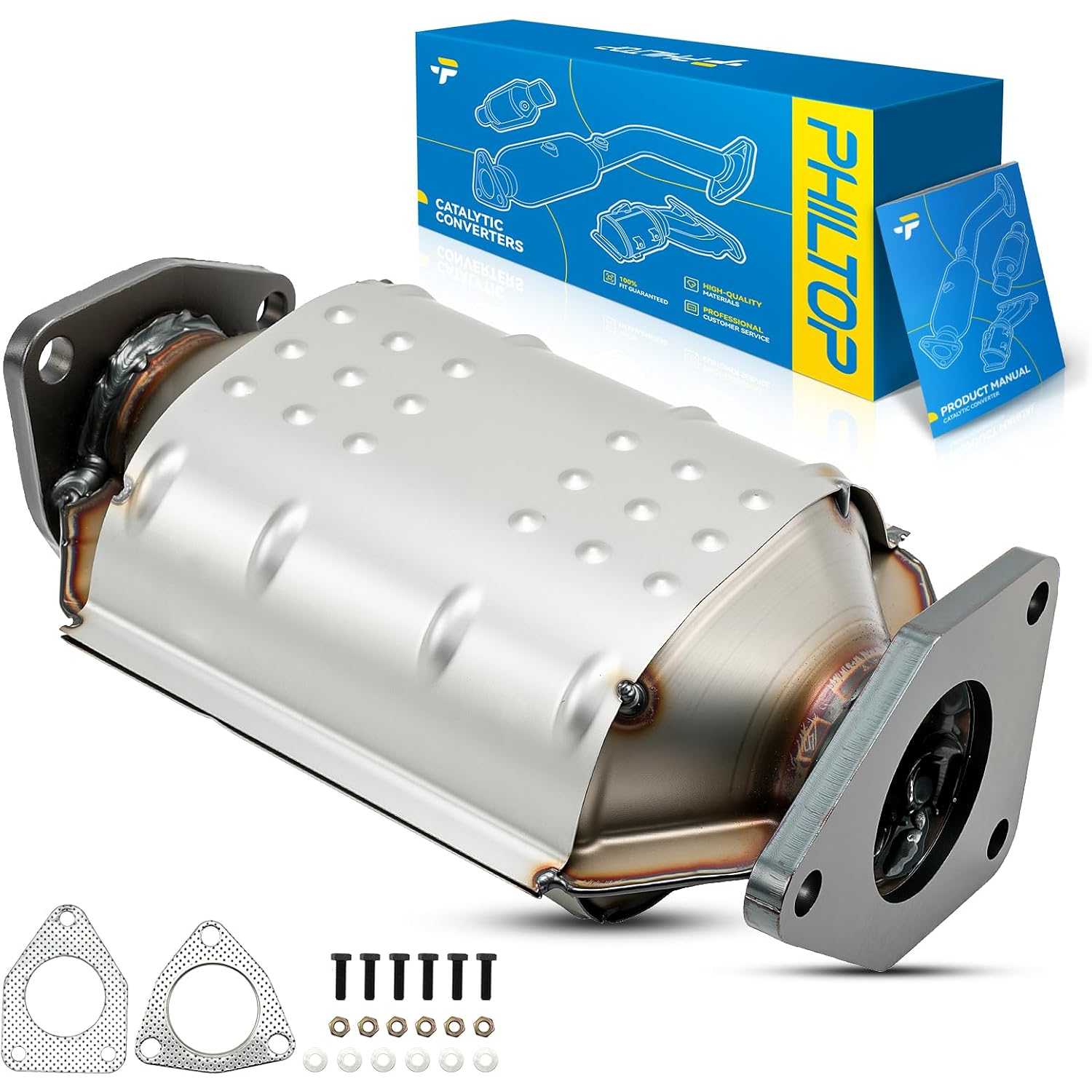
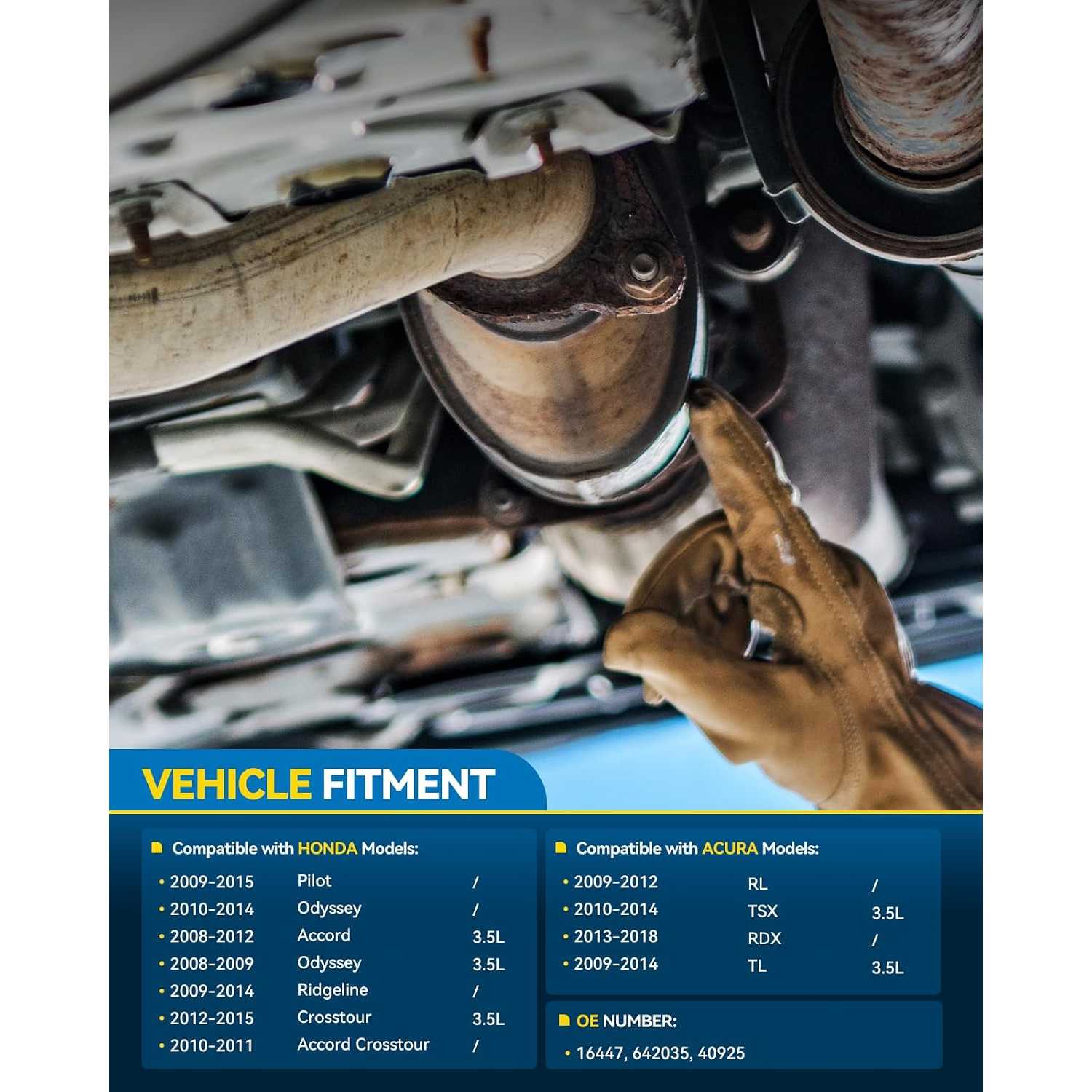
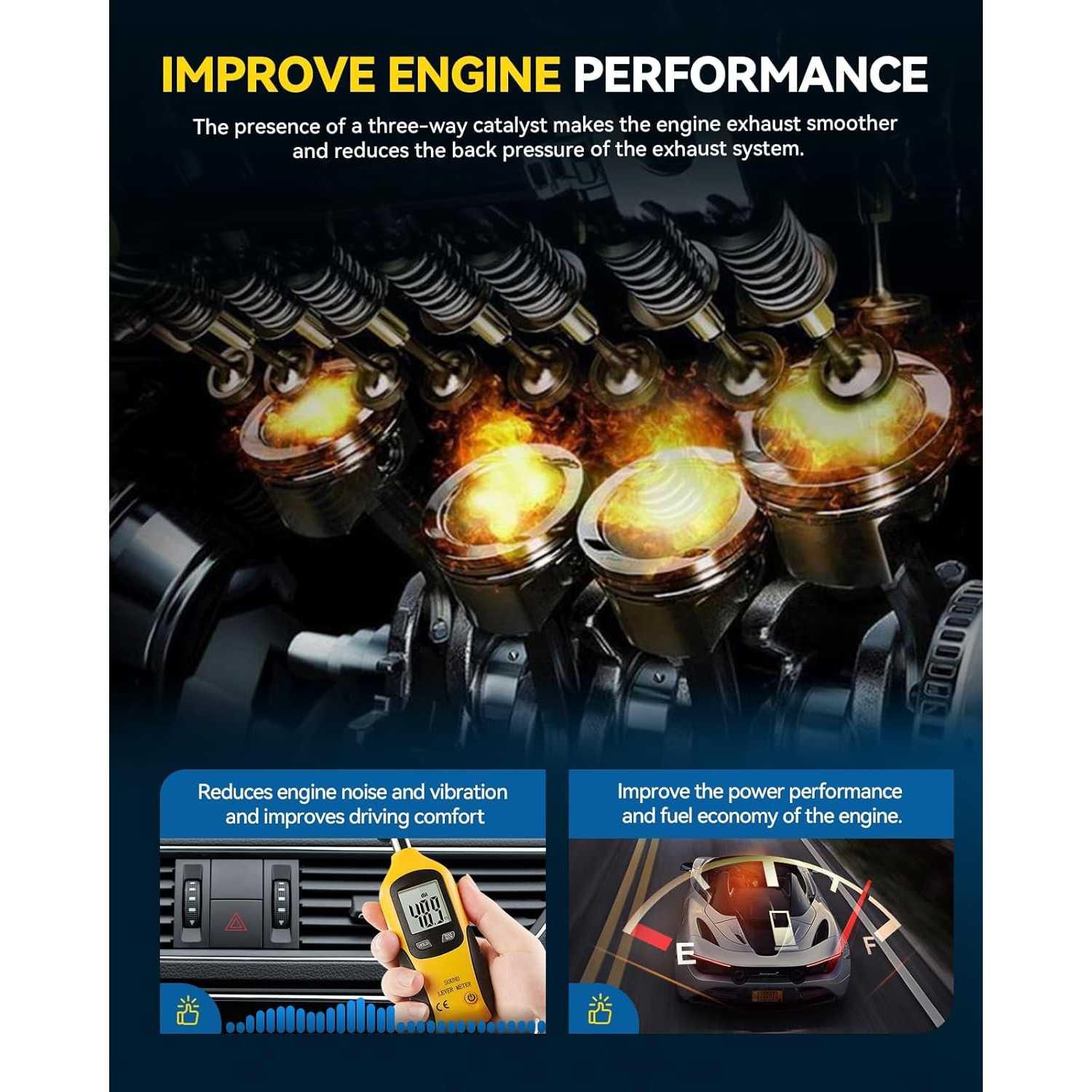
Great fit and solid performance for my 2012 Accord 3.5L I replaced the catalytic converter on my 2012 Honda Accord 3.5L with the PHILTOP High Flow Catalytic Converter (OE# 16643), and it was a straightforward success. It fit perfectly—bolted right up with no modifications needed, and the flanges and pipes lined up cleanly with the existing exhaust. Installation was relatively easy for a DIY job. Once installed, the check engine light stayed off, and the car runs smoother with noticeably better exhaust flow. Throttle response feels a bit sharper, and there’s less restriction compared to the old clogged unit. It’s also quieter than I expected for a high-flow design—no drone or excessive noise. It’s listed as EPA compliant and covers a wide range of Honda/Acura applications (08-16 Odyssey, 09-15 Pilot, 08-17 Accord 3.5L, 13-18 RDX, 09-14 TL, 10-15 MDX, etc.), which gave me confidence in the fitment. Build quality feels solid, welds look clean, and it seems well-made for the price. If you’re dealing with a failing cat on one of the compatible 3.5L (or 3.7L TL) Honda/Acura models, this PHILTOP unit is a reliable, direct-fit option that works as advertised. Highly recommended.
Verified buyer
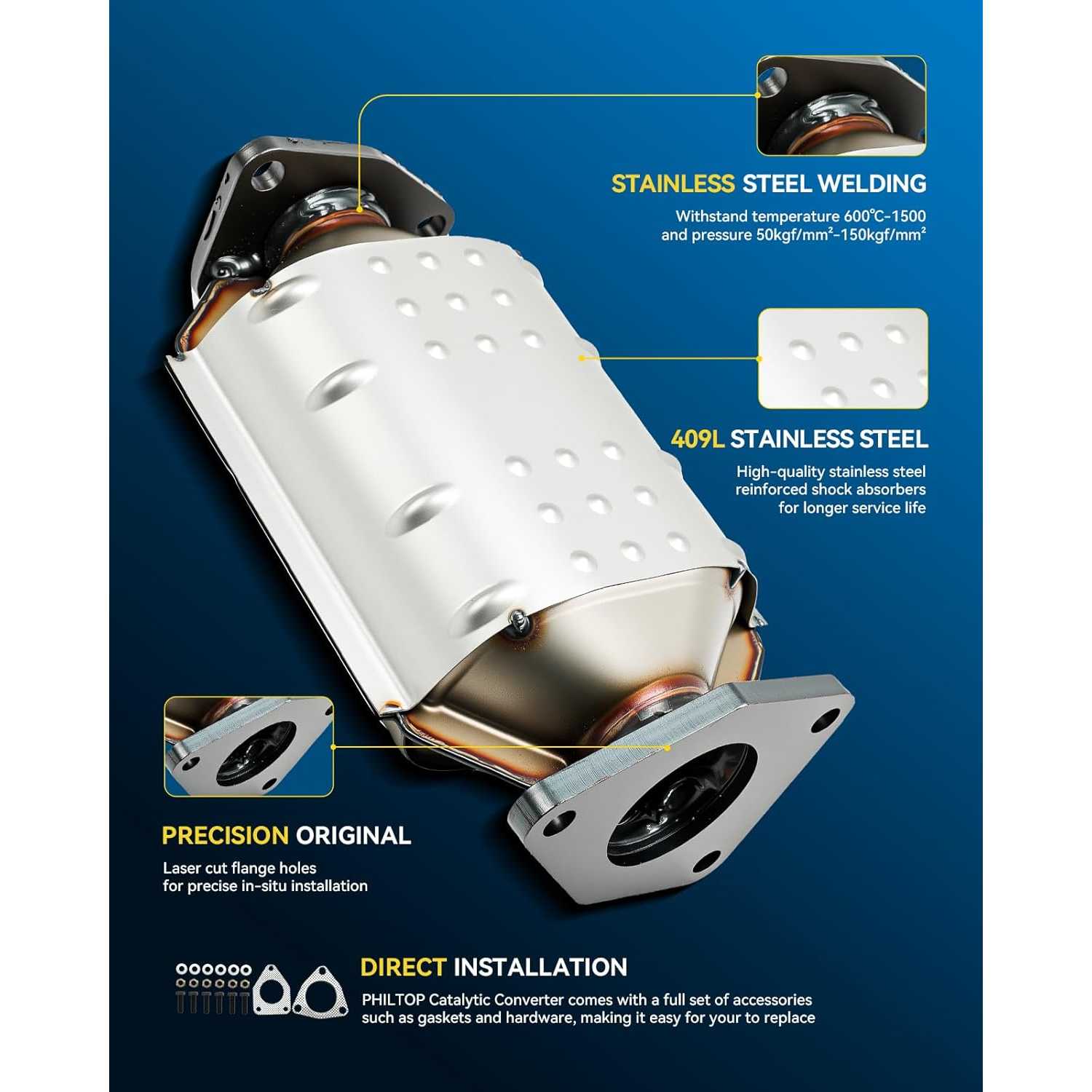
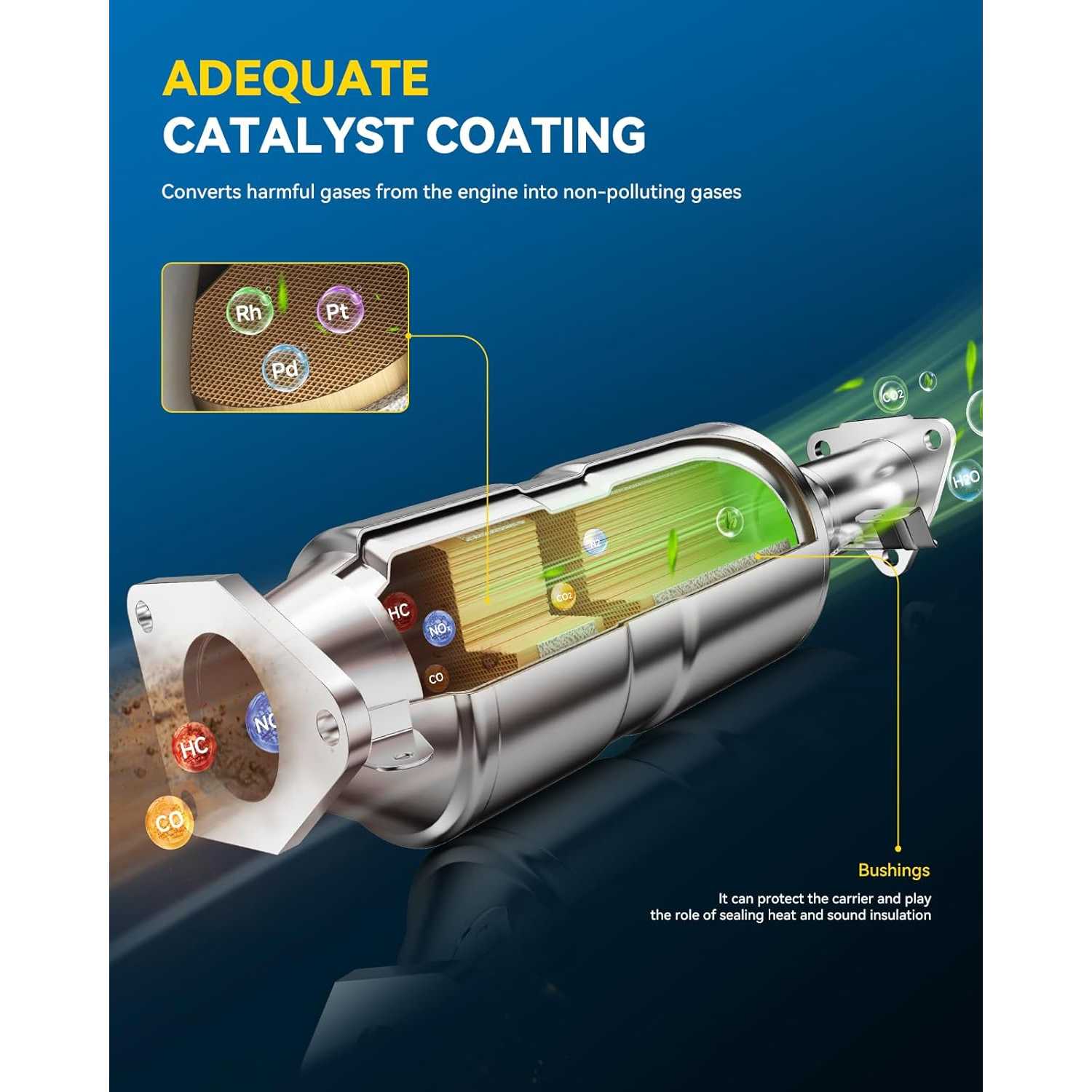
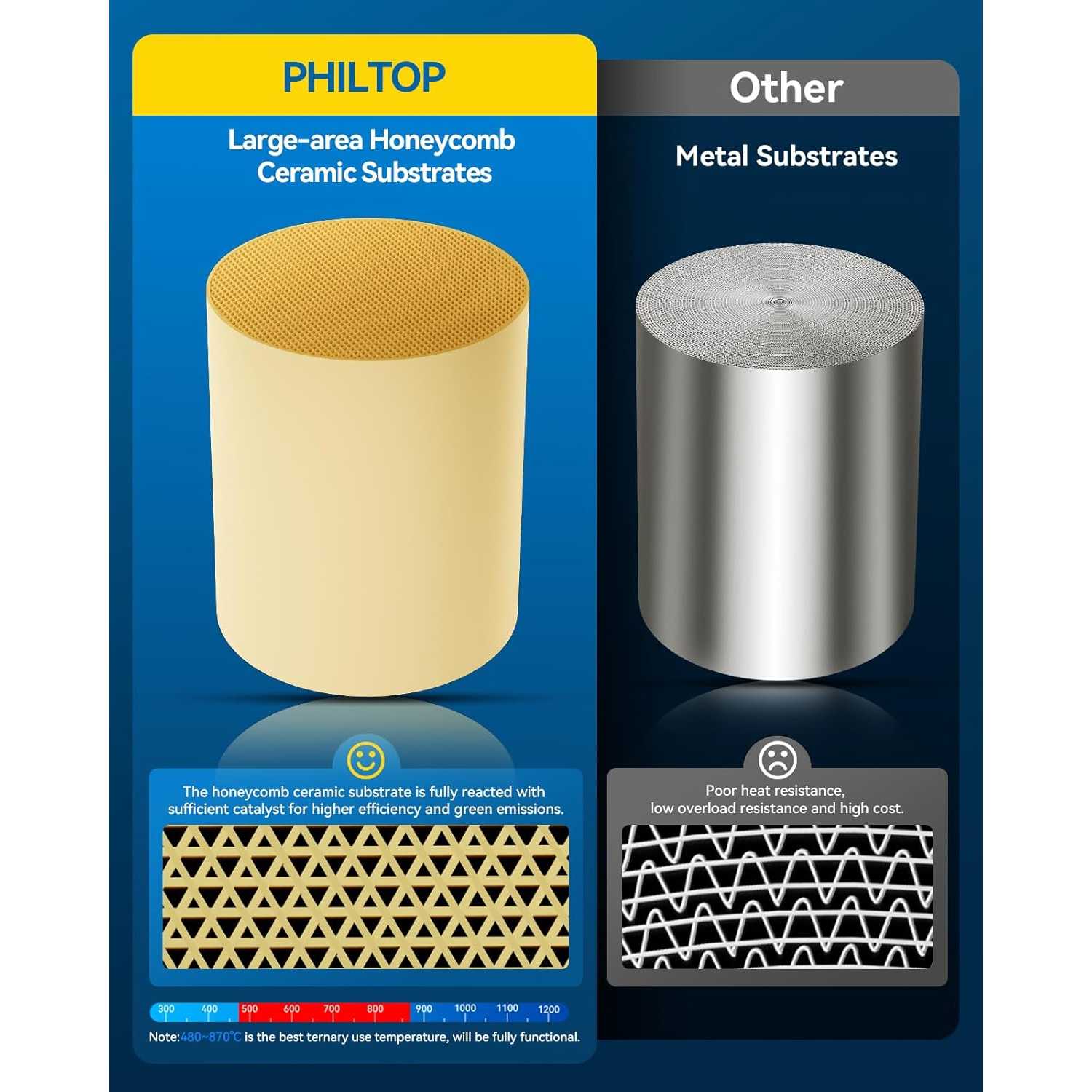
This catalytic converter is a budget-friendly replacement option for older Honda CR-V models with the 2.4L engine (2002–2006). It’s designed as a direct-fit unit, and it includes gaskets and hardware, which helps simplify the installation process without needing extra parts or modifications.The construction is pretty standard for this price range. It uses a stainless steel and aluminized pipe setup, which helps resist rust and handle heat over time. Inside, the ceramic core is built to support proper exhaust flow and emissions control. The “high-flow” design aims to reduce backpressure, which can help the engine run smoother if your old converter was clogged or failing.Installation is straightforward if you’re comfortable working on exhaust systems, though like most catalytic converters, professional installation is still the safer route if you want to avoid leaks or fitment issues.One important thing to keep in mind is emissions compliance. This is EPA-compliant, not CARB-compliant, so it’s not legal for use in stricter states like California and Colorado, and there are also limitations in places like New York and Maine depending on the vehicle.Overall, this is a practical replacement if you’re looking for a cost-effective fix and your vehicle qualifies under federal emissions standards. It covers the basics well without getting overly expensive.


 Complete Parts Range