



Master Filter Replacement: 6 Pro Steps to Prevent Leaks and Engine Faults
Installing a new filter isn't just about "screwing it on." Whether you are maintaining a rugged Jeep Grand Cherokee, a symmetrical AWD Subaru Forester, or a fuel-efficient Hyundai Elantra, the difference between a 50,000-mile engine and a breakdown is in the installation details.
To ensure a "First-Time Fix" and professional-grade sealing, follow this specialized 6-Step Installation Flow.
1. The Engine Air Filter: Ensuring a "Zero-Leak" Intake
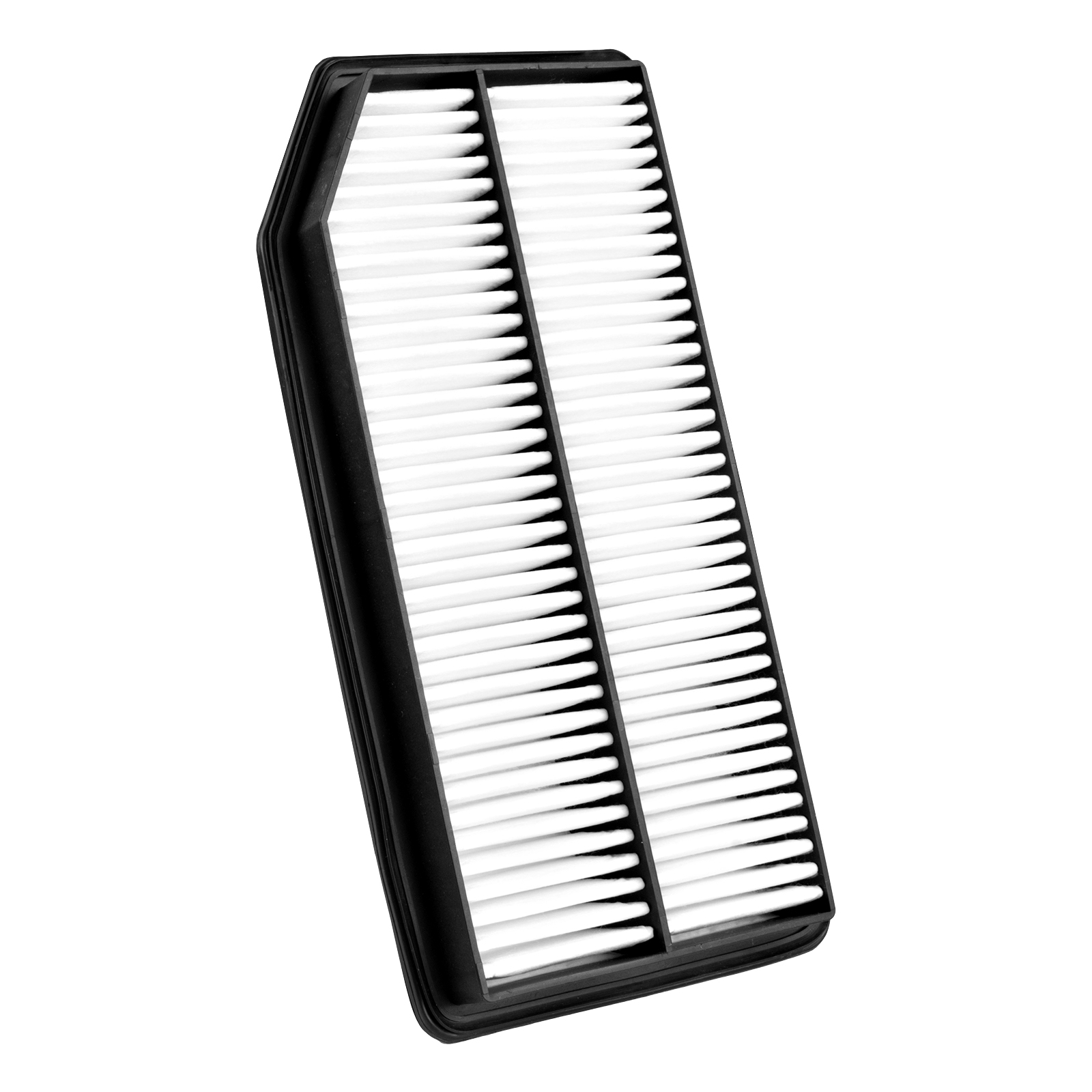
The air filter is your engine's primary defense. Following the "Seal and Flow" logic is critical to prevent "dirty air" from scouring your cylinders.
- Step 1: The Arsenal. Prepare specific clip pullers or a screwdriver for the housing. Pro Tip: Use only clean non-woven cloths; strictly avoid cotton waste to prevent lint from being sucked into the intake manifold.
- Step 2: Orientation. Identify the Flow Arrow on the housing. On models like the Subaru Outback, ensuring the filter’s pleats match the system's airflow direction is vital for sensor accuracy.
- Step 3: Environmental Prep. Clean all sludge and dust around the interface before opening the airbox. This prevents debris from falling into the air ducts during the swap.
- Step 4: Safe Detach. If the rubber ducting is stiff or aged—common on older Honda Civics—do not force it. Use a hairdryer to gently heat the rubber to increase flexibility before separation.
- Step 5: The Detailed Interface.Last-Second Unsealing: Only remove the new filter from its protective packaging at the very last moment to block environmental dust.
- Manual Priority: Seat the filter and housing by hand. Follow the "Hand-tighten first" rule to ensure plastic clips or screws are not cross-threaded—a common $200 housing mistake.
- Step 6: Validation Run. Perform a static check followed by a short idle to ensure no "whistling" occurs under vacuum.
2. The Oil Filter: Maximum Pressure Integrity
The oil filter operates under high internal pressure. Its installation is defined by "Wet Sealing" and "Torque Logic".
- Step 1 & 2: Equipment & Anchor. Use a dedicated oil filter wrench. Locate the mount on the engine block and verify the flow direction to ensure the check-valve functions correctly.
- Step 3 & 4: Decontamination. Clean the area around the filter base to prevent old grit from contaminating the fresh oil supply. If you’re working on a BMW 3 Series with a cartridge-type filter, ensure the plastic cap is not stressed or cracked during removal.
- Step 5: The "Pro-Fit" Execution.Surface Integrity: Use a non-woven cloth to wipe the metal mounting flange clean. Never use wire brushes here; they create microscopic grooves that cause slow leaks.
- Wet Sealing: Apply a layer of fresh engine oil to the new rubber O-ring. This allows the gasket to slide into place without twisting or wrinkling during rotation.
- The 1/4 Turn Rule: Thread the filter on by hand until it makes contact. Tighten exactly an additional 1/4 turn by hand to reach the final pressure seal.
- Step 6: Pressure Test. Run the engine at idle and perform a static pressure test to confirm zero leaks around the gasket.
3. The Cabin Air Filter: Pure Air for the Cockpit
Precision in the "Flow Anchor" is the key to protecting your HVAC system and your passengers' health.
- Step 1 & 2: Tool Audit & Flow Matching. Prepare trim removal tools. Strictly check the Flow Arrow on the filter frame—it must match the HVAC blower's direction.
- Step 3 & 4: Sanitation. On a Mazda CX-5, vacuum away leaves from the cowl area before removal to keep internal ducts clean. Use a hairdryer if plastic glovebox clips are brittle due to cold weather to prevent snapping.
- Step 5: Protect the Media. Keep the filter in its dust cover until you are ready to slide it into the slot. Ensure the flexible edges are not crushed or folded during insertion, which would allow "bypass air" to enter the cabin.
- Step 6: Airflow Check. Turn on the HVAC to the highest speed to check for odors or air leaks at the filter door.
4. The Fuel Filter: High-Security Sealing
As a component in a high-pressure line, the fuel filter requires the most stringent environment prep.
- Step 1 & 2: The Right Arsenal. Use proper line wrenches and a lint-free cloth. Identify the "In" and "Out" ports; reversing them can cause catastrophic fuel pump failure.
- Step 3 & 4: Sludge Removal. Thoroughly clean road grime from fuel line fittings before loosening them. If hoses on an older Nissan Altima are stuck, use gentle heat rather than prying with a screwdriver to avoid tearing the rubber.
- Step 5: The Detailed Interface.Dust Interception: Keep protective caps on the ports until the very second of connection.
- Manual Start: Start all threads manually (3-5 full turns) before using a wrench. This prevents cross-threading—the most expensive mistake in fuel system repair.
- Double-Gasket Check: If your model uses crush washers, ensure they are brand new and lubricated with a drop of fuel.
- Step 6: Static Pressure Test. Prime the system and inspect for leaks at idle before the vehicle is driven.
Disclaimer: Our Mechanic Advisor provides information for educational purposes only and not as professional automotive advice. DIY repairs involve risks. If unsure, consult a certified mechanic. We guarantee part fitment based on your selected vehicle details, but are not responsible for misdiagnosis or damage resulting from use of this guide.