
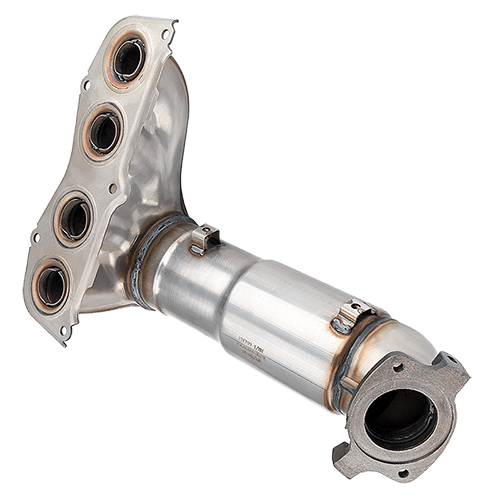
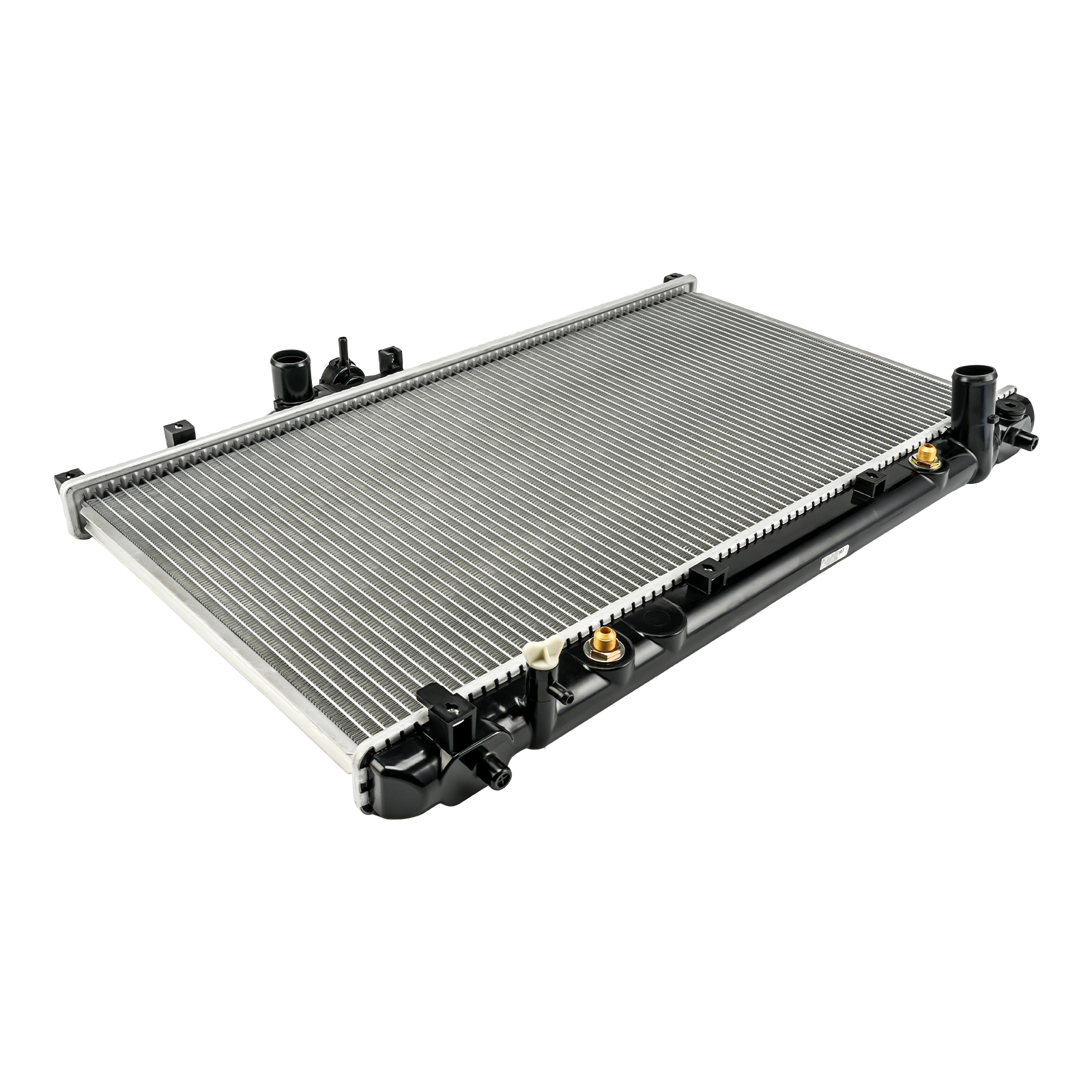
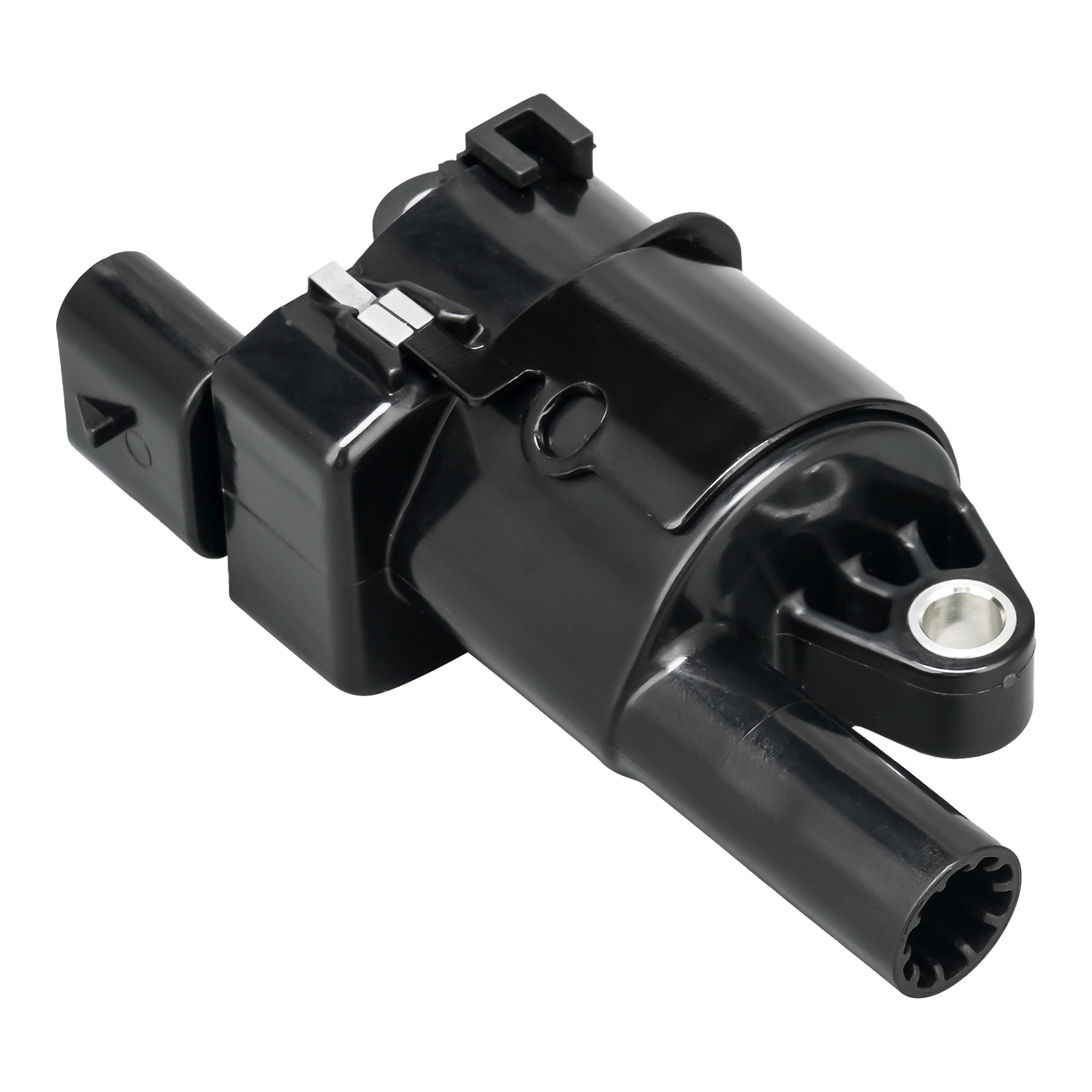



Stop the Maintenance Guessing Game: 4 Critical Filter Milestones for Your Car
Maintaining a vehicle often feels like a guessing game. However, your car’s filters are its first line of defense against contaminants. Whether you are a DIY enthusiast or just want to stay informed at the mechanic, here is the essential guide to the four filters that keep your car running—and exactly when to swap them.
1. The Oil Filter: The Engine’s Kidney
The oil filter’s job is to trap dirt, carbon, and metal shavings before they can circulate through your engine.
- The Service Interval: Most modern vehicles, from a fuel-sipping Honda Civic to a hard-working Ford F-150, require an oil and filter change every 5,000 to 7,500 miles.
- The "Eyeball" Test: If your oil looks black and gritty rather than amber and smooth, the filter is likely saturated.
- Dashboard Warnings: If the "Check Engine" or "Oil Pressure" light flickers, a clogged filter might be restricting flow.
- The Golden Rule: Always replace the filter every time you change your oil. Putting clean oil through a dirty filter is like taking a shower and putting on dirty clothes.
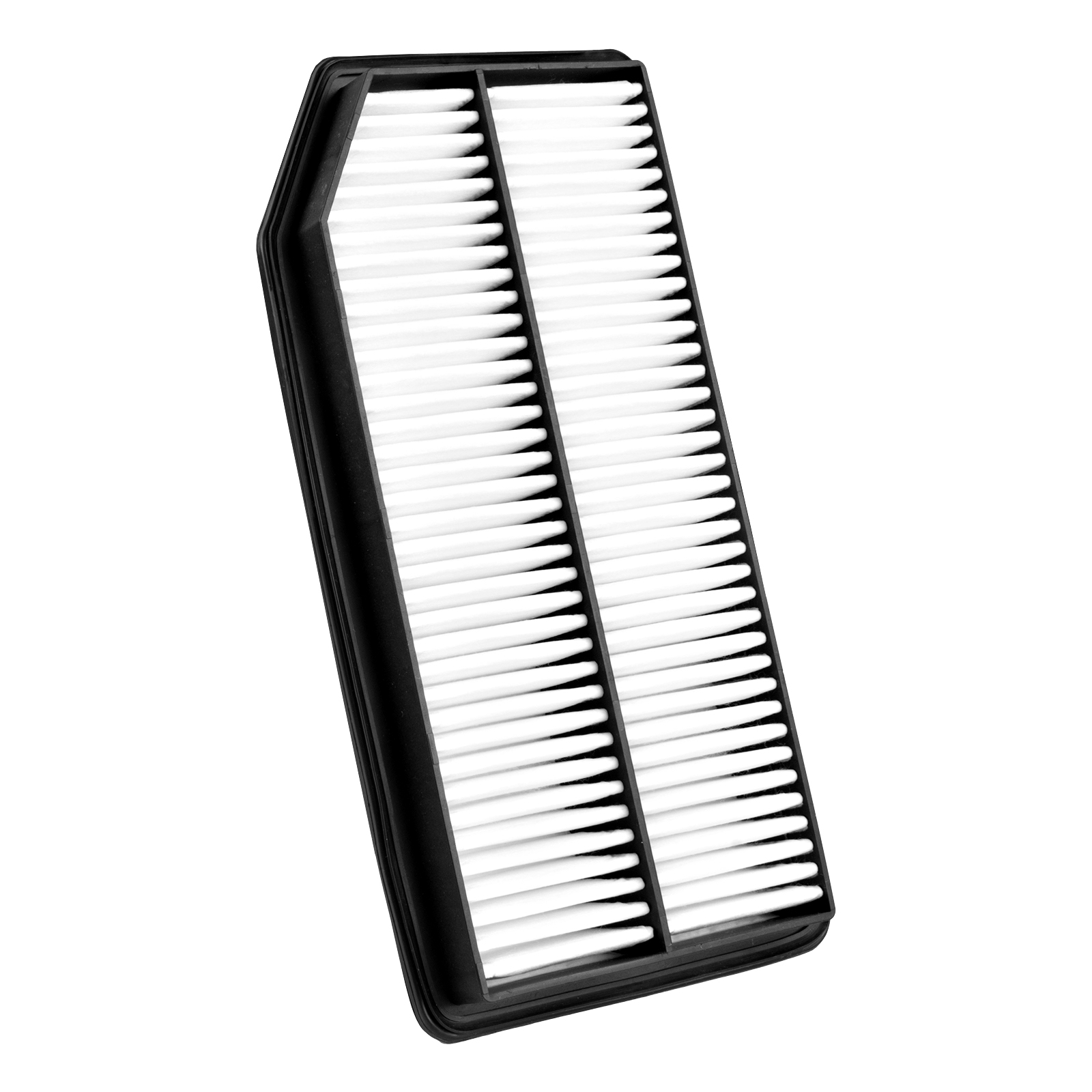
2. The Engine Air Filter: The Car’s Lungs
Your engine needs oxygen to burn fuel, and this filter ensures that dust, sand, and debris don't enter the combustion chamber.
- Sluggish Acceleration: If your Toyota RAV4 or Chevy Silverado feels hesitant when you step on the gas, it’s struggling to breathe.
- Fuel Economy Dips: If your gas mileage is dropping, your engine might be "choking" on restricted air.
- Visual Check: Open the airbox; if the pleats are filled with black soot or debris, it’s time for a swap.
- Where You Drive Matters: If you live in a dusty area or drive on gravel roads frequently, check this every 6 months.
3. The Cabin Air Filter: Your Personal Shield
While the engine air filter protects the car, the cabin filter protects you by scrubbing the air coming through the HVAC system.
- The "Stinky" Factor: If you turn on the AC in your Honda CR-V and smell mold, old gym socks, or heavy dust, the filter is likely damp or clogged.
- Weak Airflow: If your vents feel like they’re barely blowing even on the highest setting, the filter is likely obstructed.
- Noisy Vents: A whistling sound from the dashboard often indicates a blockage.
- Allergy Season: If you find yourself sneezing more often inside the car, it’s time for a fresh filter.
4. The Fuel Filter: The Precision Guard
Modern fuel injectors have tiny openings; even a microscopic speck of rust from a gas station tank can cause a misfire.
- Hard Starts: If the car— especially older models or heavy-duty trucks like a RAM 2500—cranks for a long time before starting, fuel might be struggling to get through.
- Engine Hesitation: If the car "stutters" when you’re going uphill or under a heavy load.
- The Mileage Milestone: These are often "long-life" components replaced every 30,000 to 50,000 miles.
- Technician's Note: Many modern cars have "lifetime" fuel filters inside the gas tank, but external ones still require regular intervals.
Quick Reference: Maintenance Milestones
| Filter Type | Typical Interval | Primary Symptom of Failure | Pro Tip |
|---|---|---|---|
| Oil Filter | 5k – 7.5k miles | Dirty oil / Warning lights | Change with every oil swap |
| Engine Air | 12k – 15k miles | Poor acceleration / Visual dirt | Check every 6 months in dusty areas |
| Cabin Air | 15k – 20k miles | Bad odors / Weak AC flow | Vital for allergy sufferers |
| Fuel Filter | 30k – 50k miles | Stuttering / Hard starting | Check if your model has an external unit |
Summary
In the world of auto repair, filters are the "low-hanging fruit". Before you let a shop talk you into expensive sensor replacements or fuel system overhauls, ensure your "lungs" and "kidneys" are clean.
Disclaimer: Our Mechanic Advisor provides information for educational purposes only and not as professional automotive advice. DIY repairs involve risks. If unsure, consult a certified mechanic. We guarantee part fitment based on your selected vehicle details, but are not responsible for misdiagnosis or damage resulting from use of this guide.