



Pro-Active Engine Care: Ultimate Ignition System Maintenance Strategy
In the world of professional auto care, we don’t just "wait for things to break." We use a Five-Dimension Classification to predict failures before they leave you stranded. Whether you're hauling in a Ford F-150 or commuting in a Toyota Camry, understanding the "DNA" of your parts is the secret to a 200,000-mile engine.
Here is how the pros manage the life cycle of the ignition system.
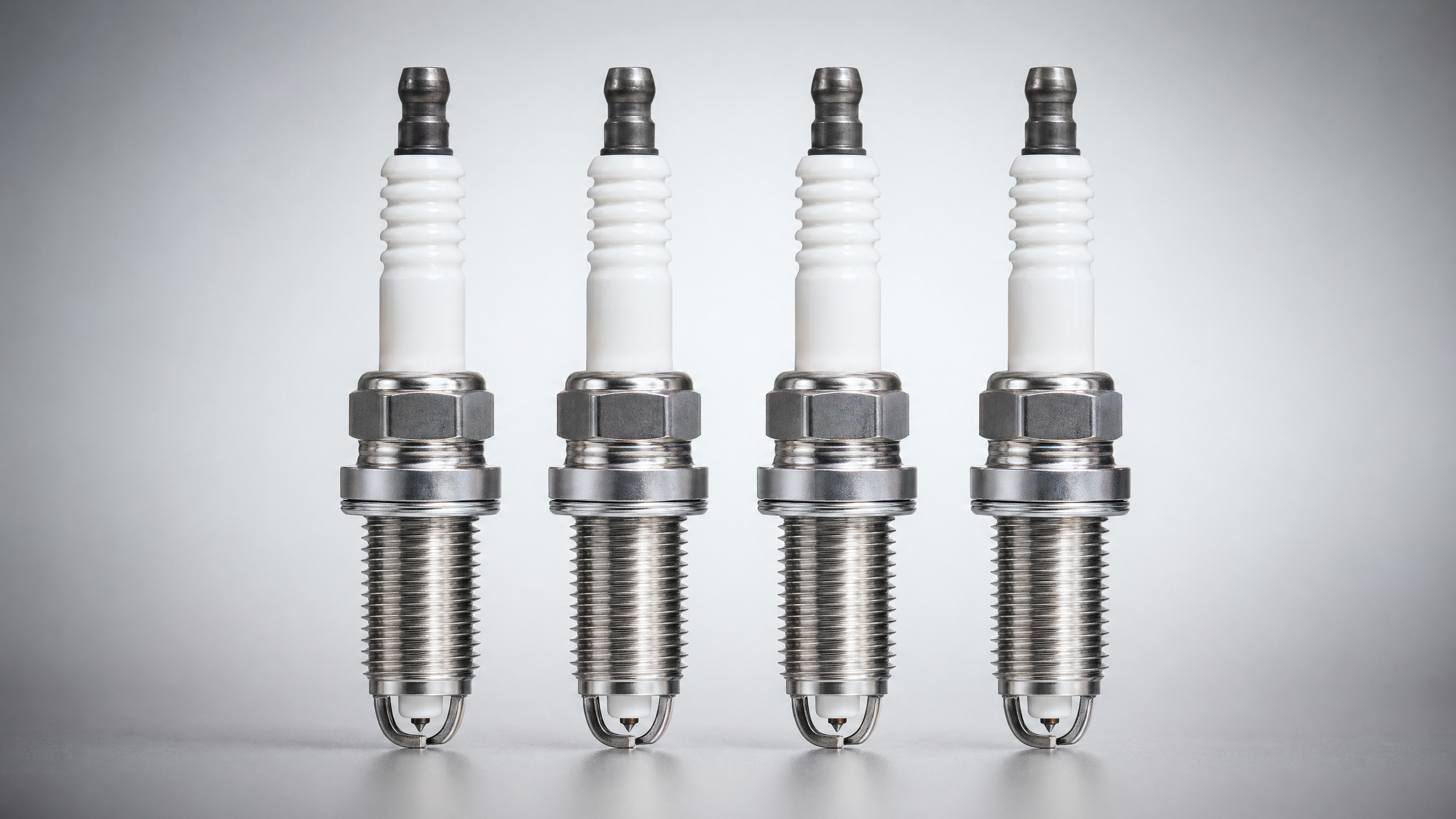
1. Spark Plugs: The "Sacrificial" Consumables (Mileage-Based)
Spark plugs are the front-line soldiers. Their entire job is to "wear down" so your engine can fire.
- The Maintenance Logic: Their lifespan is 100% mileage-dependent. Every time they spark, a microscopic amount of metal erodes from the electrode.
- When to Act: For modern Iridium plugs (like those in our kits), we recommend a check-up every 60,000 to 80,000 miles.
- The "Red Zone": If the gap between the electrodes becomes too wide, the voltage required to jump it skyrockets, which eventually "overworks" and kills your expensive ignition coils.
- Vehicle Focus: In high-revving engines like the Honda Civic or Mazda 3, sticking to a strict mileage schedule is the only way to maintain peak MPG.
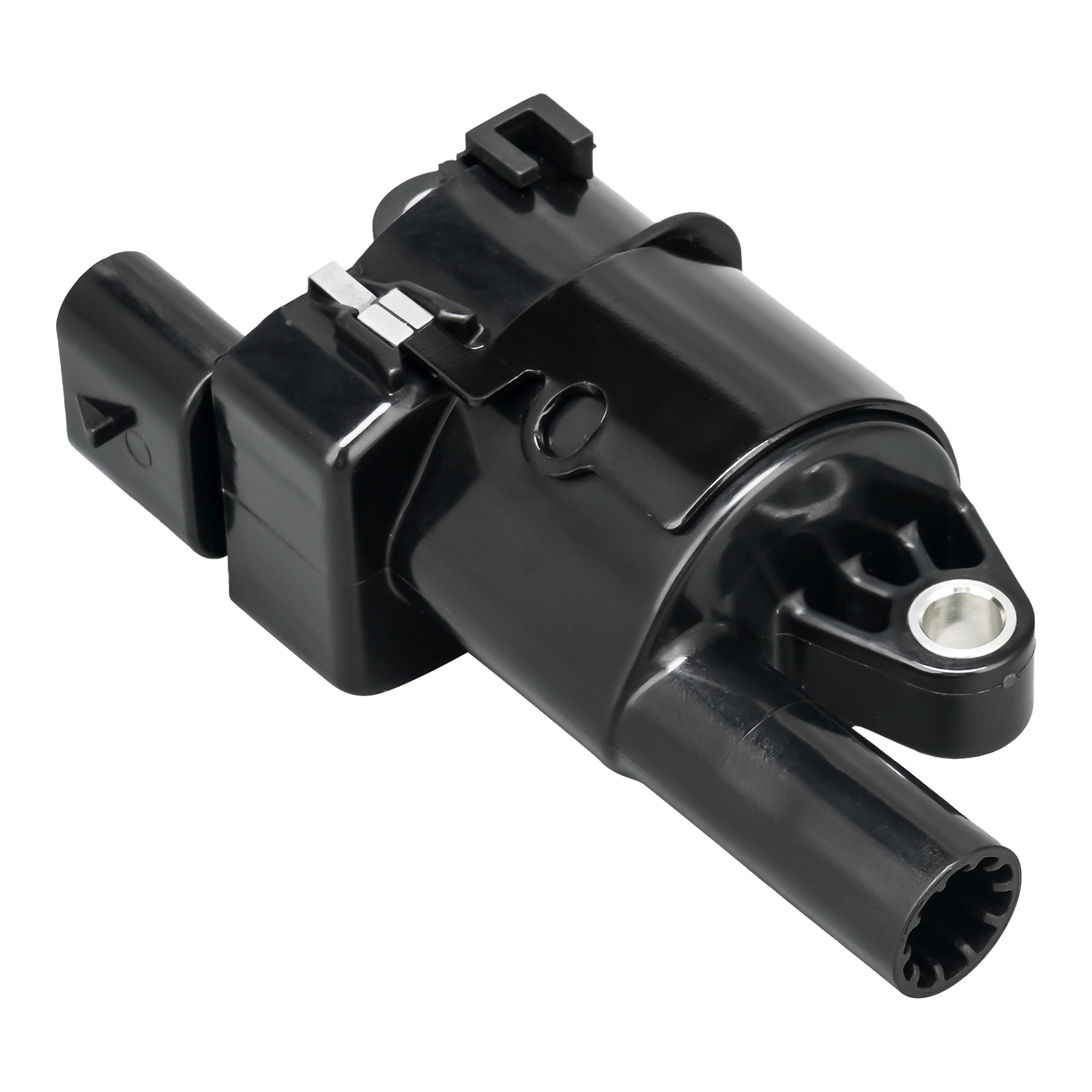
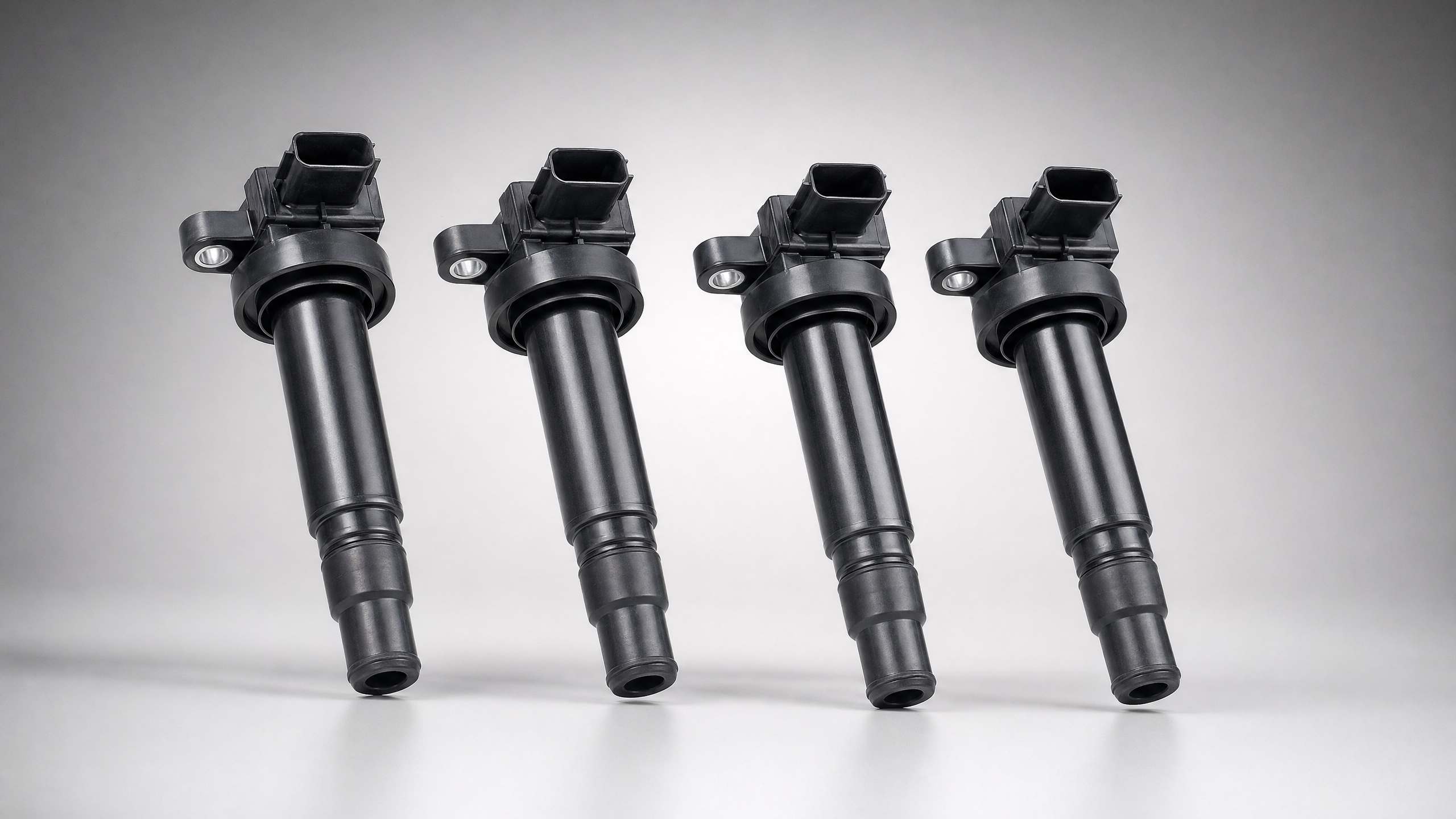
2. Ignition Coils: The "Electronic Sensors" (Condition-Based)
Unlike plugs, ignition coils don't have a "fuse" that burns out at a specific mile. They are high-voltage transformers that live or die based on their environment.
- The Maintenance Logic: These are Failure-Triggered components. They don't "wear out" like a brake pad; they "fail" due to heat or electrical stress.
- The Silent Killer: Heat and Vibration. In V6 engines like the Toyota Highlander or Honda Odyssey, the rear-bank coils are trapped in a high-heat zone. If your engine is running hot, your coils are aging twice as fast.
- The Diagnosis Point: Use an OBD-II data stream. If you don't see misfire codes (P030x or P035x) and your idle is smooth, the coil is healthy. You don’t need to swap them by the clock—swap them by the symptoms.
3. The "Upstream" Connection: The Rubber & Fluid Shield
80% of "bad" spark plugs are actually victims of an upstream leak. To save your ignition system, you must watch the Flexible & Rubber category.
- The Oil Hazard: If you pull your coil and find oil on the boot, your Valve Cover Gasket has failed. Oil is a conductor; it will short-circuit your coil and foul your plug instantly.
- The Action: Replacing the coil without fixing the rubber seal is a "rework" disaster. This is a common maintenance trap for BMW 3-Series and Nissan Altima owners.
Maintenance at a Glance: The Pro's Cheat Sheet
| Component | Category | Maintenance Trigger | Key Pro-Action |
|---|---|---|---|
| Spark Plug | Consumable | Mileage (Distance) | Check electrode gap every 60k miles |
| Ignition Coil | Electronic | Performance (DTC) | Monitor for "shivering" idle / P035x codes |
| Rubber Seals | Flexible | Age (Time/Leaks) | Inspect for oil leaks every oil change |
Why for Your Maintenance Cycle?
Managing a fleet or just the family SUV requires access to the right data and the right fit.
- Massive Inventory: With 10,000+ individual SKUs, we provide exact-match kits for everything from Domestic work trucks (RAM/Silverado) to European luxury sedans (Audi/Mercedes).
- Advanced YMM Precision: Don't guess which plug heat range you need. Use our Submodel, Engine, and Trim tool to pull the exact factory-spec hardware for your vehicle's specific "Signal Topology."
The Bottom Line: Identify whether your part is fighting "distance" or "time." By staying ahead of the wear-cycle, you ensure your engine stays as responsive as the day it left the showroom.
Disclaimer: Our Mechanic Advisor provides information for educational purposes only and not as professional automotive advice. DIY repairs involve risks. If unsure, consult a certified mechanic. We guarantee part fitment based on your selected vehicle details, but are not responsible for misdiagnosis or damage resulting from use of this guide.