

You’ve followed the 6-step diagnosis, matched your Year-Make-Model (YMM), and swapped the parts. But the "Check Engine" light is still blinking, or the engine still shudders on the highway. Before you blame the new hardware, let’s look at the "Invisible Variables" that even pros sometimes miss.
Whether you are working on a high-mileage Ford F-150, a Chevrolet Silverado, or a Toyota Camry, here is how to troubleshoot like a Master Mechanic.
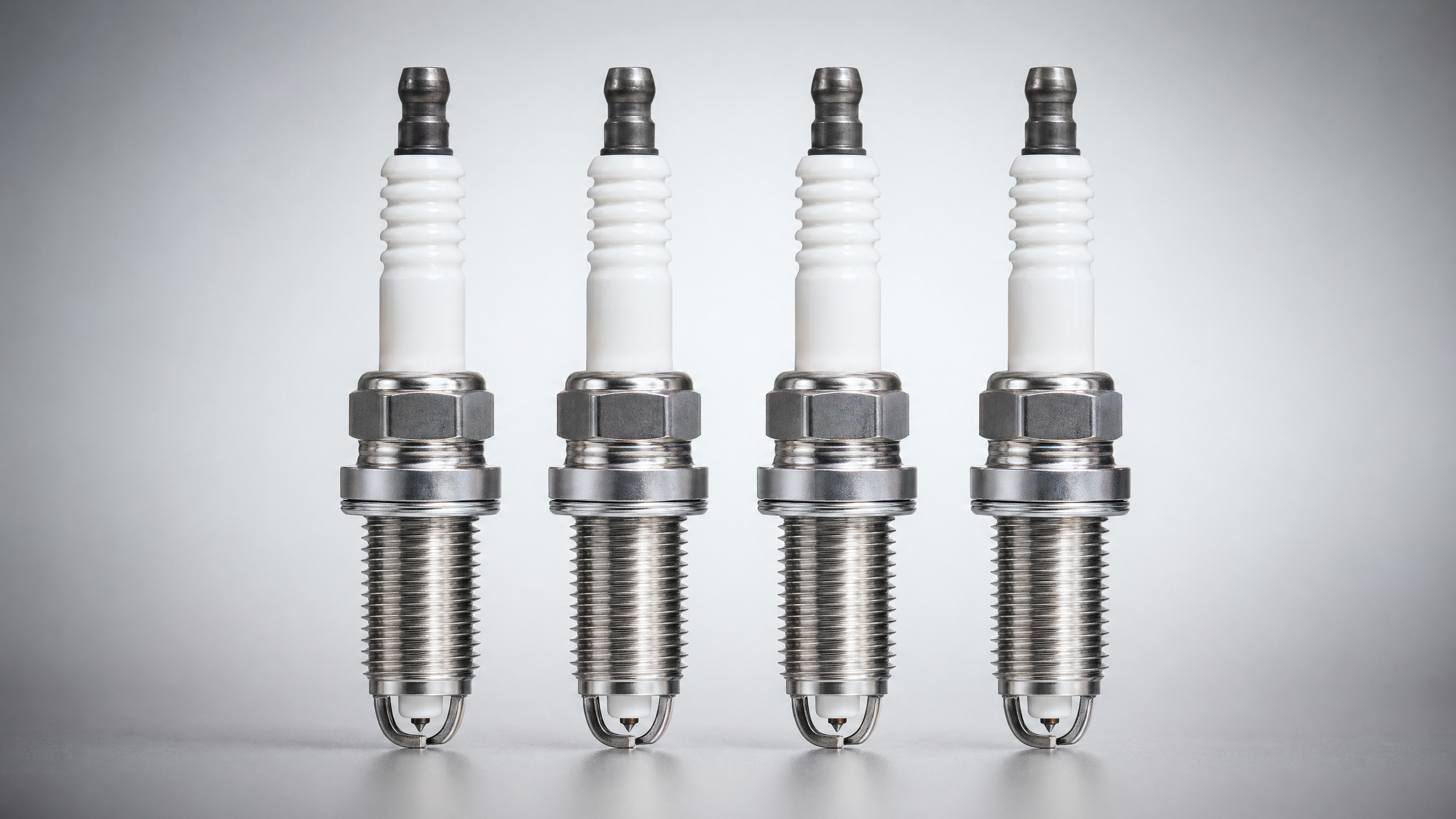
Category 1: The "New Misfire" Mystery (Spark Plugs)
Q1: I just installed new Iridium plugs, and now I have a NEW misfire. Did I get a "dud"?
- The Reality Check: Out-of-the-box failure is extremely rare with precision-tested plugs. The most common cause is Mechanical Stress during the install.
- The Interceptor: Did the plug slide or drop into the cylinder hole? Even a tiny bump can close the electrode gap or hairline-crack the fragile ceramic insulator.
- The Fix: Always use a magnetic spark plug socket and hand-thread for the first 3-5 turns. If you’re working on a Honda Civic or Nissan Altima, those deep spark plug wells make "dropping" the plug a high risk.
Q2: My car only misfires at high speeds. Are these the wrong plugs?
- The Reality Check: If you used our Advanced YMM (Submodel/Engine/Trim) tool, the heat range is 100% correct. This is usually an "Interface" issue.
- The Interceptor: Did you clean the cylinder head's mating surface? If there is carbon buildup, the plug can't dissipate heat into the engine head, causing pre-ignition under load—a common quirk in Toyota RAV4 and Lexus RX engines.
Category 2: The "Ghost" Circuit Codes (Ignition Coils)
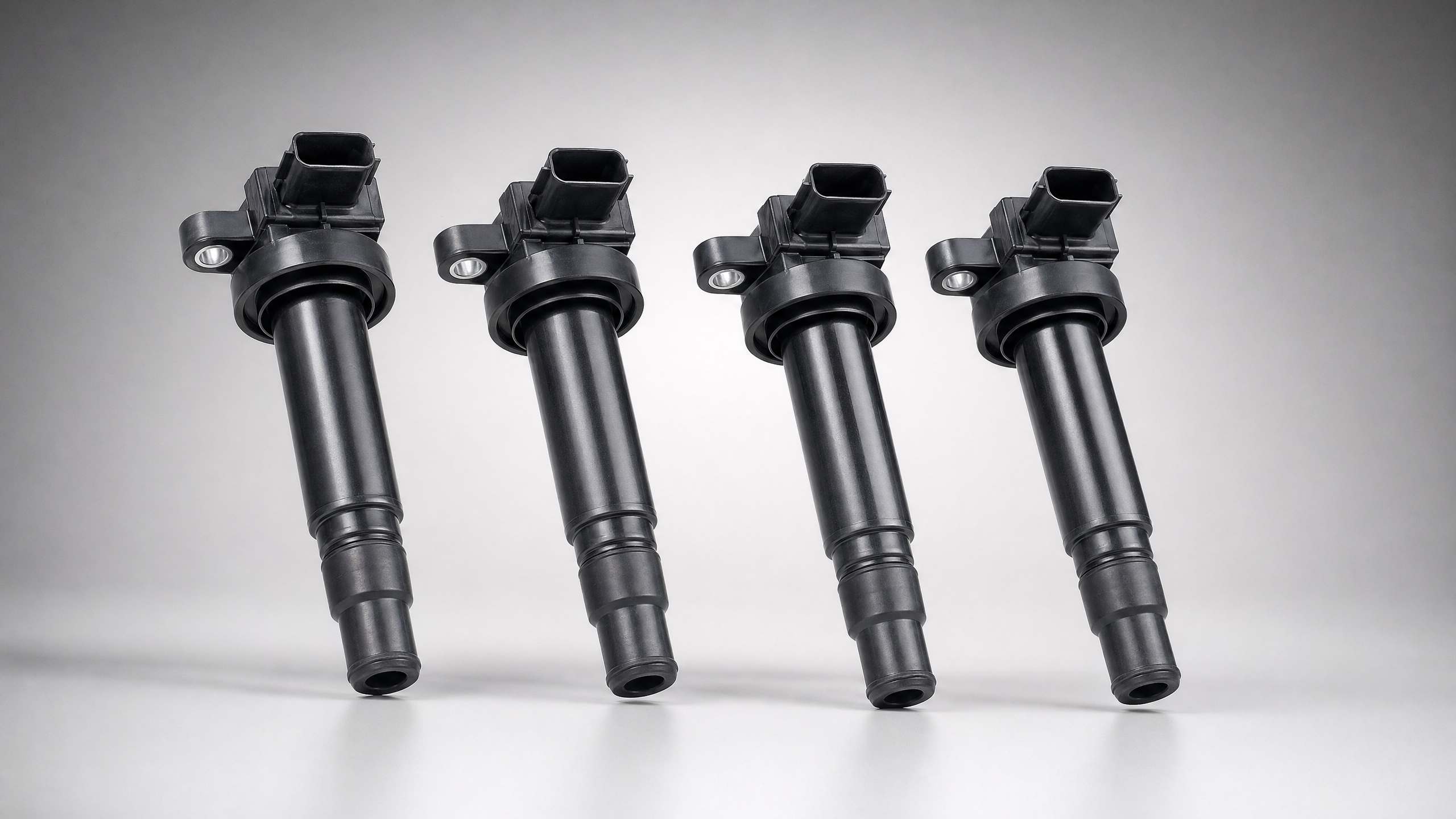
Q3: I replaced the coils, but the P035x code won't go away. Is the new coil defective?
- The Reality Check: A P035x code is a "Circuit Code," not a performance code. It means the ECU isn't "seeing" the coil at all.
- The Interceptor: Check the wiring harness connector. On many Jeep Grand Cherokees or Dodge Rams, the plastic clips become brittle and don't "Click" into place. If the connection is loose, the best coil in the world won't fire. Use electrical contact cleaner on the pins before reconnecting.
Q4: I replaced one coil, and now a DIFFERENT cylinder is misfiring. Why?
- The Reality Check: This is the "Weakest Link" effect. New high-performance coils provide a strong voltage surge that can find "leaks" in other old, worn-out parts.
- The Advice: This is why we recommend our 10,000+ SKU All-in-One Kits. Replacing all coils and plugs at once (a full "Tune-Up") ensures the entire ignition system is balanced and synchronized.
Category 3: The "Brain" & System Variables
Q5: I’ve replaced everything, but the light is still on!
- The Reality Check: Your ECU (the car's brain) has a "memory."
- The Interceptor: Did you perform a full Drive Cycle? After clearing codes with your OBD-II scanner, the engine needs about 15-20 minutes of varied driving to "re-learn" the performance of your new hardware.
Q6: Could something else be "killing" my new parts?
- The Reality Check: Yes. If you have a faulty PCV or EGR system, "Chemical Poisoning" from oil or carbon can foul a brand-new spark plug in minutes. Always ensure your Systemic Exclusion (Step 1 of our guide) is clean.
Summary: The "Professional DIY" Mindset
If the problem persists, don't keep swapping parts. Re-run the Swap Test: move the new coil to a different cylinder. If the code stays put, your problem is Upstream (ECU/Wiring) or Mechanical (Compression).
Here, we support you with more than just parts. With over 10,000 SKUs covering everything from European luxury sedans to Domestic work trucks, we provide the data and the hardware for a guaranteed "First-Time Fit."
Need more help? Use our Advanced YMM Tool to verify your Submodel, Engine, and Trim specs to ensure you have the exact match for your vehicle’s "Signal Topology."