



Brake Pads & Rotors Diagnostic Guide – Symptoms, Fix & Replacement Advice
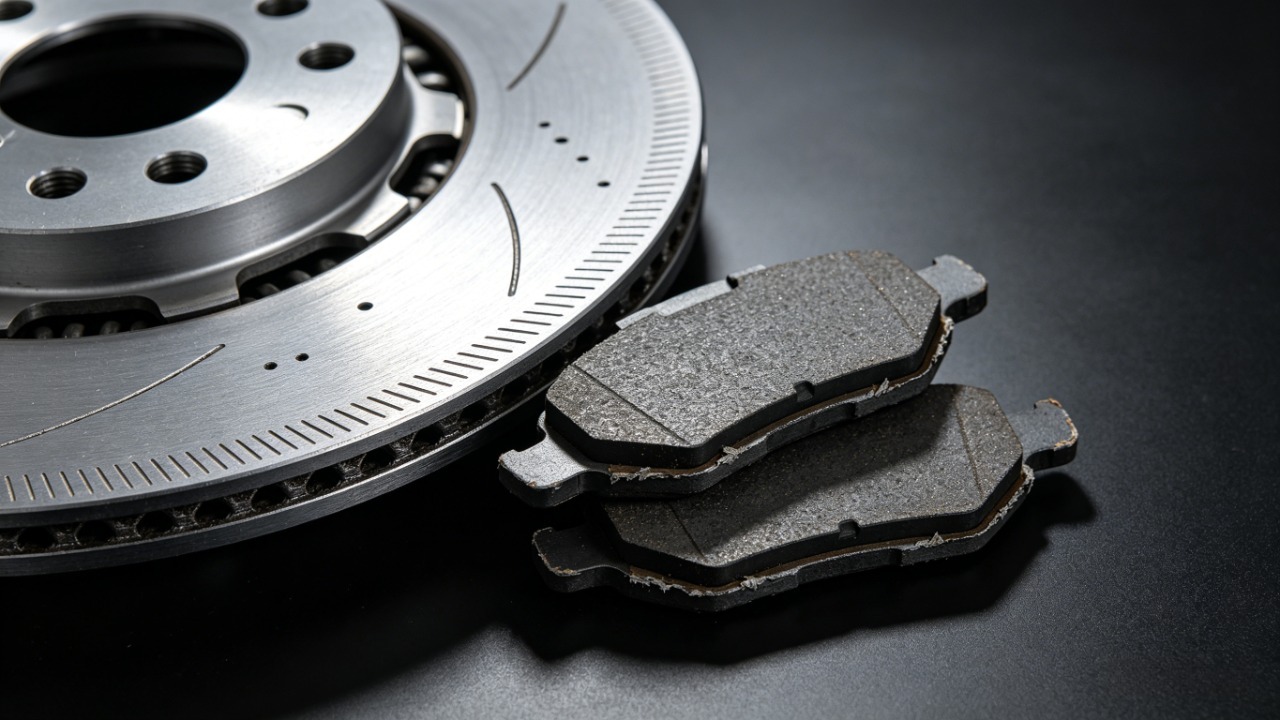
Brake pads and rotors are the "shoes" of your car. They take the brunt of the friction every time you stop. Whether you are working on a high-mileage Ford F-150, a precision Toyota Camry, or a Chevrolet Silverado, waiting until you hear a terrifying grinding noise is a risk. With this 6-step professional guide, you can catch wear early and pick the right replacement parts with confidence.
How to Tell if Your Pads & Rotors are Dying
Before diving into the technical steps, listen and feel for these "red flag" behaviors:
- Squealing or Chirping: A high-pitched noise while driving that often disappears when you hit the brakes. This is the mechanical "wear indicator" hitting the rotor.
- Metal-on-Metal Grinding: A harsh, growling sound. This means the friction material is 0% remaining.
- Steering Wheel Shaking: If the steering wheel vibrates only when braking on a vehicle like a Toyota RAV4, your Rotors are likely warped due to an uneven surface.
- Visible Grooves: You can see circular "scores" or deep canyons on the surface of the metal disc.
Step 0: The "Ability Boundary" Check (Am I Ready for This?)
- The DIY Green Light: Changing pads and rotors is a classic "point-to-point" external replacement. If you have a jack, jack stands, and a torque wrench (non-negotiable for safety), you're ready.
- The Pro Red Alert: If your vehicle (like a newer BMW or Nissan) has an Electric Parking Brake (EPB) that requires a scan tool to retract, or if the bolts are so rusted they won't budge, consult a pro.
- Diagnostic Note: For now, keep your focus on the friction components—not the hydraulic lines.
Step 1: The "Neighborhood" Inspection
- Check the Fluid Level: If the reservoir is low, it’s often because the pads are thin, causing the caliper pistons to extend further and "drink" more fluid.
- Diagnostic Note: If the fluid is full but the car pulls to one side (often seen on a Dodge Ram), you might have a clogged Brake Hose. If it stops straight but noisy, it's definitely the pads or rotors.
Step 2: Querying the ECU "Brain"
- Brake Wear Sensor Light: Some pads have sensors that trigger a dashboard light when they get too thin.
- Diagnostic Note: If this light is on, your pads are confirmed to be near the end of their life.
Step 3: Sensory Verification (Trusting Your Foot)
- The "Vibration" Test: If the steering wheel shakes while braking, the rotors are confirmed warped.
- The "Noise" Test: If you hear a constant "chirp" that stops when you brake (even on a heavy GMC Sierra), the pads are confirmed thin.
- Diagnostic Note: If the brakes are silent but the car takes forever to stop, the rotors might be "glazed" (too smooth or overheated).
Step 4: Visual Evidence (The Physical Proof)
- Pad Thickness: Take the wheel off. If the pad material is less than 3mm (about the thickness of two stacked pennies), they are confirmed dead.
- Rotor Surface: Look for blue spots (heat damage) or deep grooves.
- Diagnostic Note: If the inner pad is much thinner than the outer pad on your Honda Accord, your caliper slide pins need high-temp grease.
Step 5: Matching the Fix to the Failure (What to Buy)
By using this 6-step protocol, you avoid the "Parts Cannon" and only buy what you truly need.
| If You Discovered... | What It Means | Recommended Replacement SKU |
|---|---|---|
| Squealing noise & thin pads | Worn Pads | Ceramic Brake Pads |
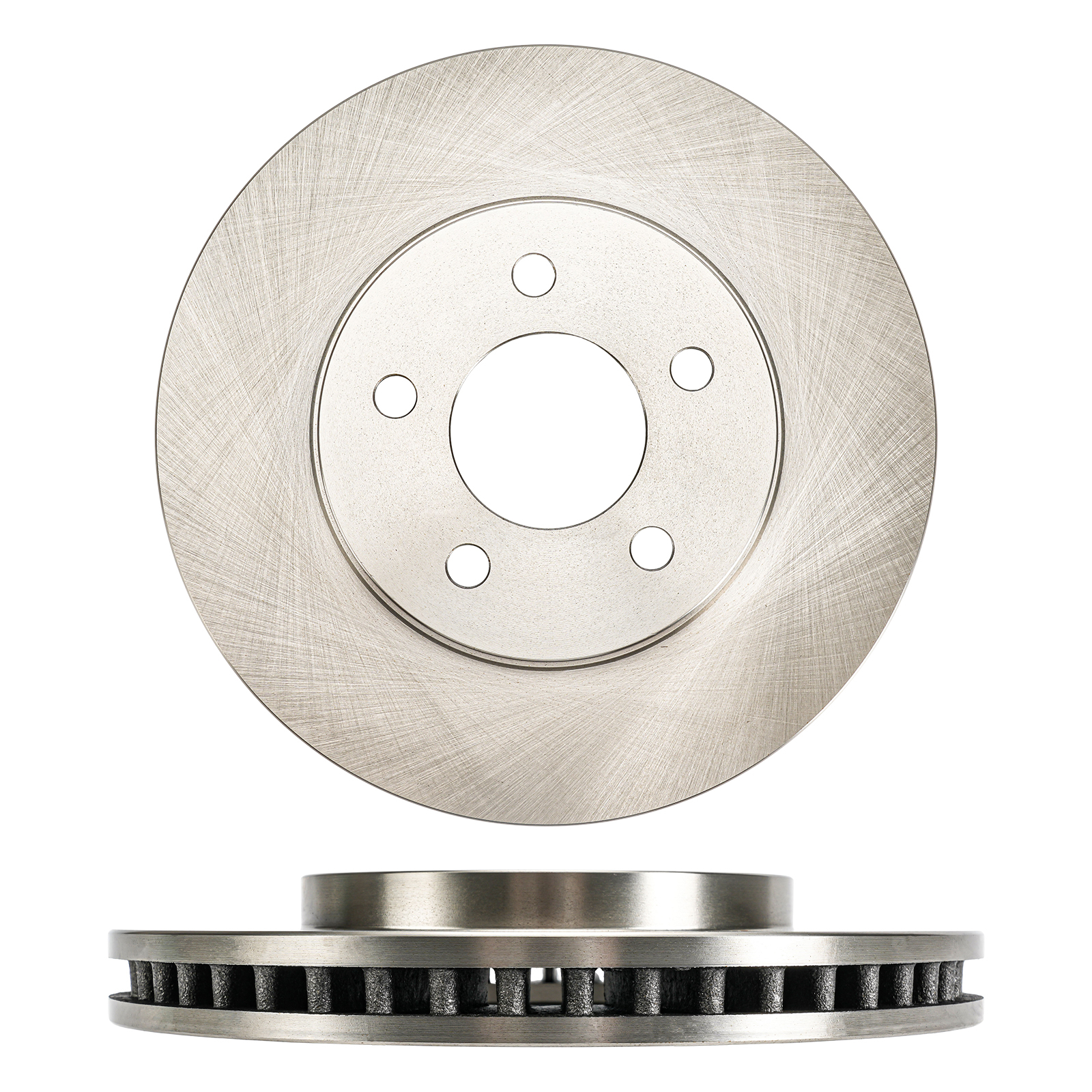
| Steering wheel shakes when braking | Warped Rotors | Brake Pads and Rotors Kit |
| Deep grooves on the disc surface | Scored Rotors | Vented Brake Rotors |
| Car pulls to one side while braking | Clogged Hose | Brake Hose Check First |
A Friendly Tech Reminder: Disc vs. Drum
- Front Disc Brakes: These do most of the work. If you feel shaking in the steering wheel, it's the front rotors.
- Rear Drum Brakes: If you feel shaking in your seat, it's the rear drums. Unlike discs, drums can hide dust inside, causing a "grabbing" sensation or noise.
- The Pulling Factor: If the car pulls to one side, it’s often a Brake Hose issue. An old hose can swell internally, preventing fluid from flowing evenly to both wheels.
Summary
By following this 6-step protocol, you move from "guessing" to "knowing." Using Step 0 to determine your ability and Step 5 to select the exact SKU bundle significantly reduces return rates. Always use our Advanced YMM (Year-Make-Model) Tool to verify your specific submodel and engine trim among our 10,000+ SKUs for a guaranteed first-time fix.
Disclaimer: Our Mechanic Advisor provides information for educational purposes only and not as professional automotive advice. DIY repairs involve risks. If unsure, consult a certified mechanic. We guarantee part fitment based on your selected vehicle details, but are not responsible for misdiagnosis or damage resulting from use of this guide.