


Brake System Maintenance Guide – Pads, Calipers & Master Cylinder Care Tips
Stopping your vehicle isn't just about pushing a pedal; it’s a coordinated effort between hydraulic pressure and friction science. Whether you are daily-driving a Toyota Camry, hauling with a Ford F-150, or navigating a family Honda Odyssey, understanding the "3 Pillars" of your braking system is the difference between a routine check and an emergency failure.
To keep your Here we offer top-quality products. components performing at their peak, move from "guessing" to our specialized maintenance protocol.
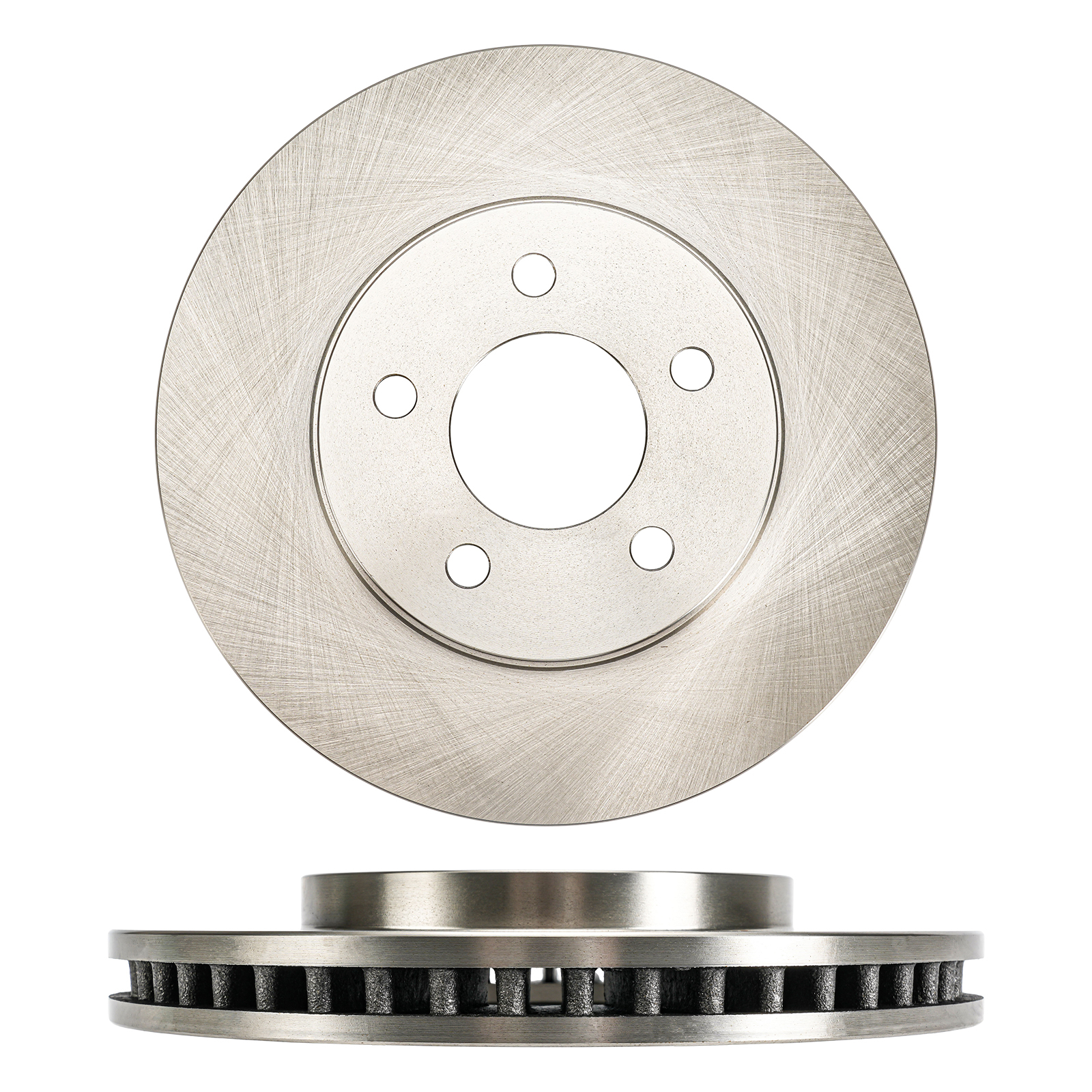
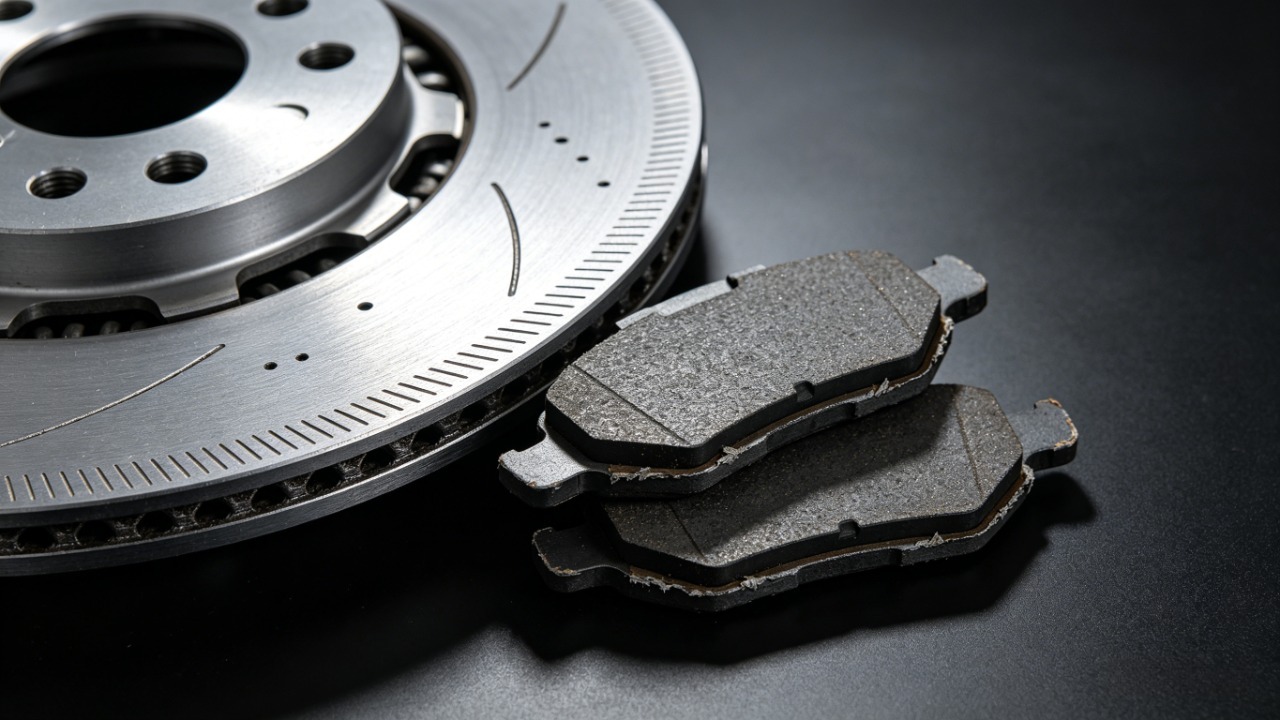
Step 1: Pads & Rotors – The "Sacrificial" Friction Pair
In our logic, these are Consumables. Their entire purpose is to wear down to save your vehicle's structural integrity.
- The 3mm Red Line: Every 10,000 miles, perform a thickness check. If your pads are under 3mm, they are biologically "dead." Ignoring this on a heavy vehicle like a Chevrolet Silverado will lead to rotor warping.
- Surface Audit (The Vibration Test): If your steering wheel shakes when braking at high speeds, your rotors have developed "blue spots" or uneven thickness.
- Pro-Grade Tip: Always replace these in pairs. Replacing just one side on your Toyota RAV4 will create uneven stopping force, leading to dangerous "brake pull."
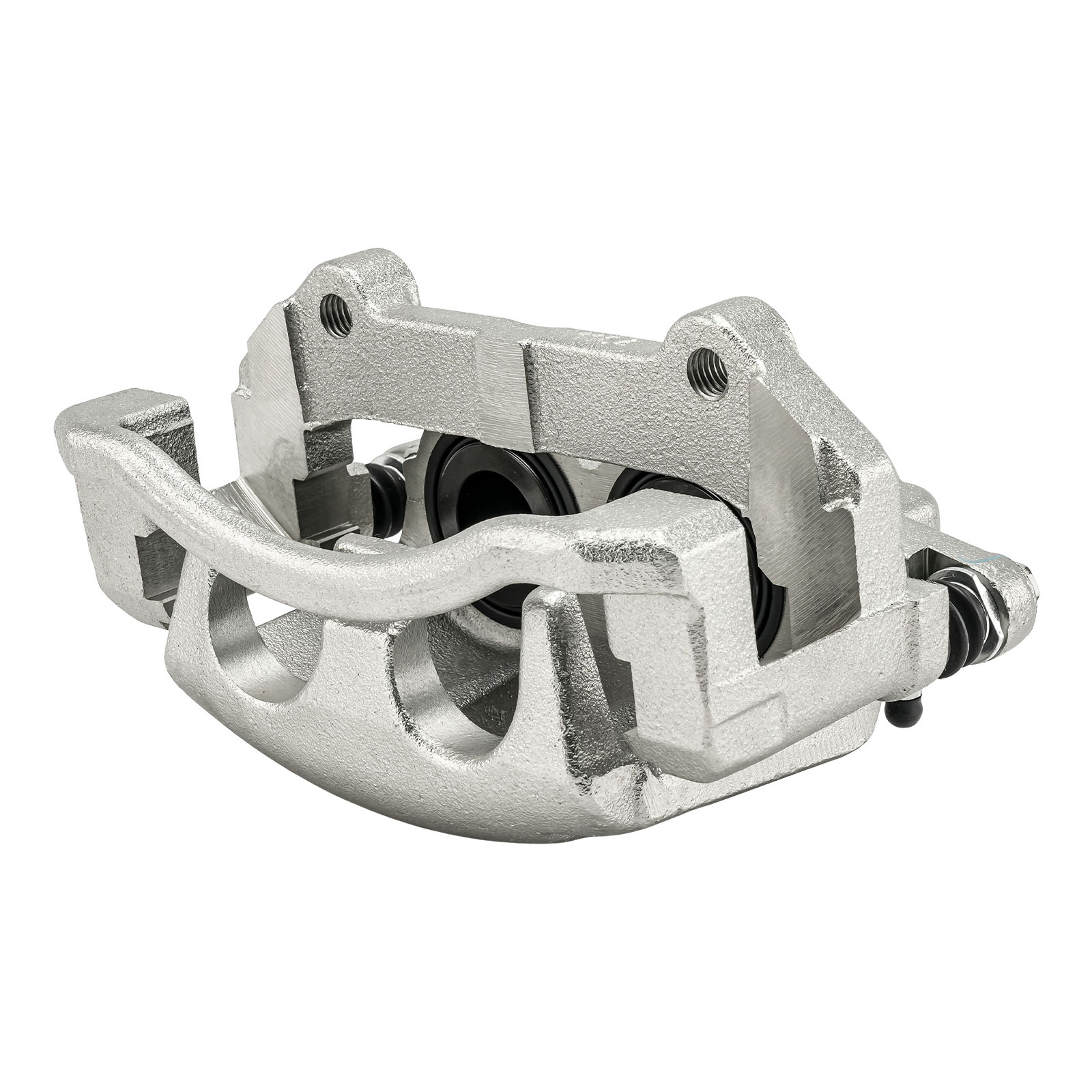
Step 2: Calipers – The Mechanical "Fist"
Calipers are Assemblies—complex devices that combine metal structures with rubber seals. They typically fail due to "Function Loss" (seizing) or "Fluid Leaks."
- The "Guide Pin" Hygiene: Every time you swap pads, you must clean and re-grease the guide pins with high-temp lubricant. In salt-belt regions, rusted pins are the #1 cause of "stuck" brakes on models like the Jeep Grand Cherokee.
- The Seal Integrity Check: Inspect the rubber dust boots. If they look brittle or cracked, water will enter the cylinder, causing the piston to rust from the inside out.
- Warning Sign: If you notice a burning rubber smell or one wheel feels significantly hotter than the others, your caliper is likely "seized."
-69f3184bde9d0.jpeg)
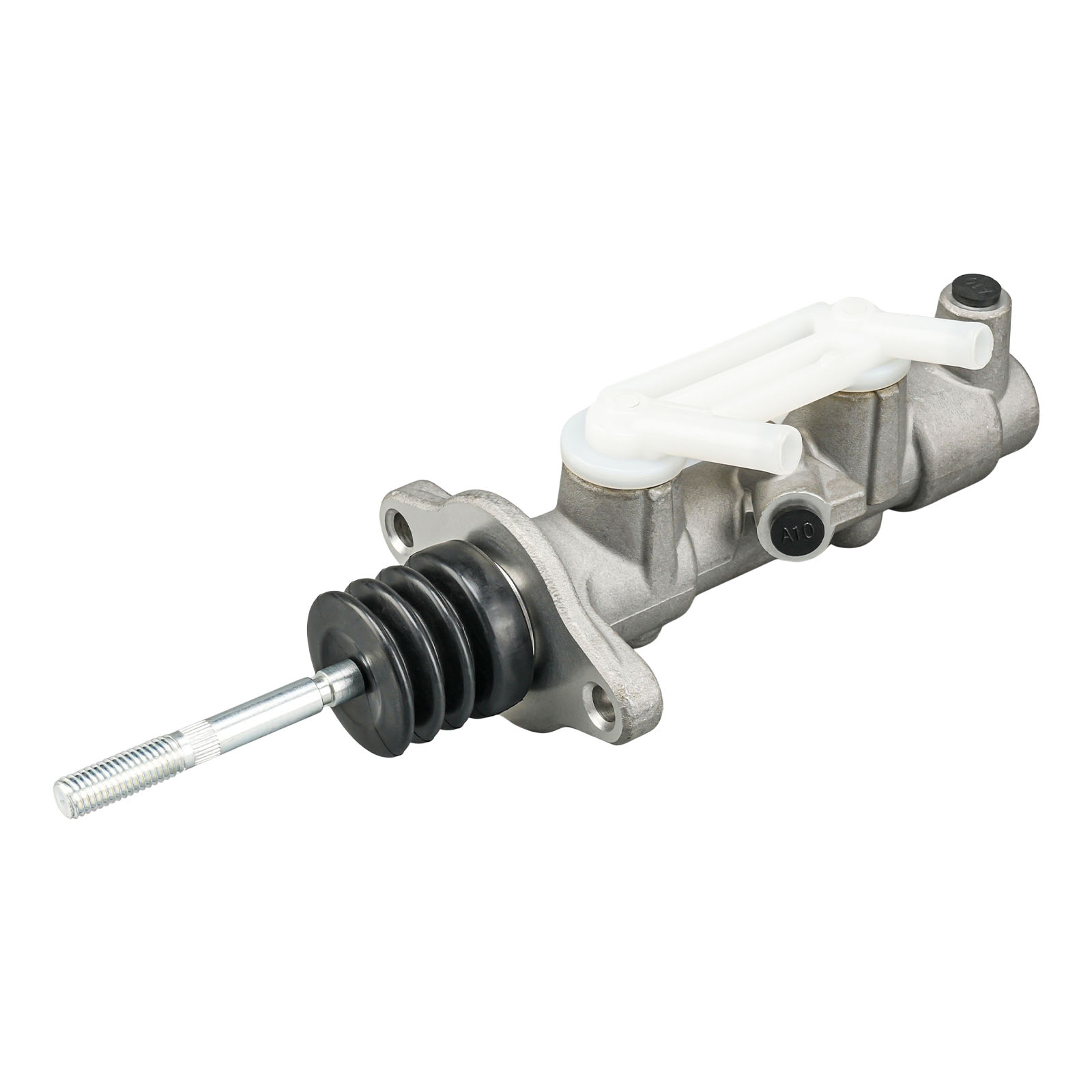
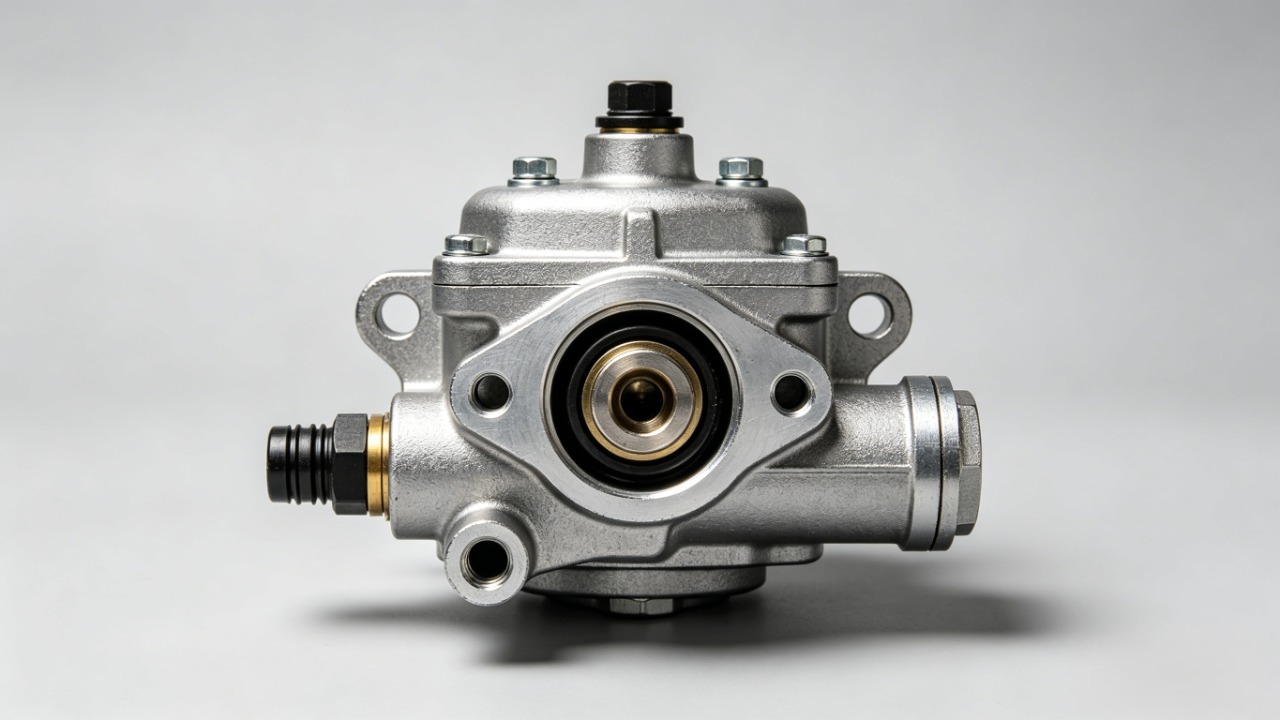
Step 3: The Master Cylinder – The Hydraulic "Heart"
This is the core of your system, and its health depends entirely on its Chemical Media (Brake Fluid).
- The 2-Year Flush Rule: Brake fluid is hygroscopic—it literally "drinks" water from the air. Every 2 years, you must flush the system. Watery fluid causes internal corrosion in the master cylinder, leading to a "sinking pedal" that could fail in a panic stop.
- The Visual Junction Test: Periodically check the area where the master cylinder meets the Vacuum Booster. Any wetness or peeling paint is an immediate sign that the rear seal has failed and hydraulic pressure is escaping.
- Diagnostic Note: A "spongy" pedal on your Nissan Altima usually means your "Chemical Media" has oxidized or trapped air.
Summary Checklist: Logic-Based Maintenance
| Component | Primary Failure Driver | Key Professional Action |
|---|---|---|
| Pads/Rotors | Mileage & Heat | Measure thickness; Replace at 3mm |
| Calipers | Friction & Rust | Grease guide pins; Inspect dust boots |
| Master Cylinder | Fluid Oxidation | Flush brake fluid every 2 years |
By shifting to this structured approach, you ensure your Here we offer top-quality products. hardware remains a reliable shield for your safety. Don't wait for the warning light—trust the logic.
Disclaimer: Our Mechanic Advisor provides information for educational purposes only and not as professional automotive advice. DIY repairs involve risks. If unsure, consult a certified mechanic. We guarantee part fitment based on your selected vehicle details, but are not responsible for misdiagnosis or damage resulting from use of this guide.