
Brake Pads & Rotors Installation Guide: 6-Step Pro Fix to Stop Squeal & Vibration

by PHILTOP Mechanic Advisor

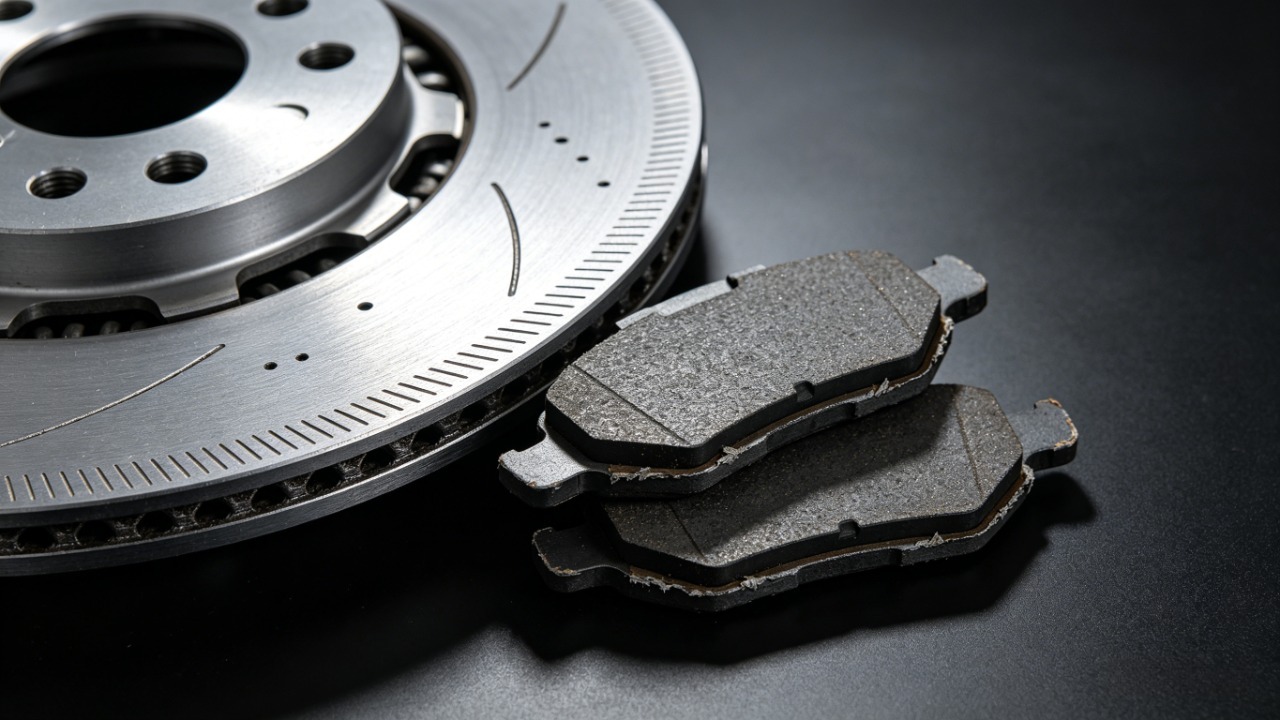
So you’ve got your new Here we offer top-quality products. high-performance braking kit. Whether you are performing a brake job on a high-mileage Ford F-150, a precision Toyota Camry, or a heavy-duty Chevrolet Silverado, the installation is where your safety is truly forged. To ensure a "First-Time Fix" without noise, vibrations, or premature failure, follow this specialized 6-step professional flow.
Step 1: The Tool Audit – Do You Have the "Right Arsenal"?

Don't start the job only to realize you're missing a critical socket or cleaning agent. You are dealing with high-friction surfaces that require clinical cleanliness.

  • The Essentials: A Torque Wrench (non-negotiable for lug nuts), a C-Clamp to retract the piston, and a stiff wire brush.
  • The "Clean Zone" Gear: Prepare lint-free cloths and specialized brake cleaner.
  • Expert Warning: Avoid using cotton waste or oily rags that leave debris in the friction zone.

Step 2: Orientation – Mapping the "Flow & Alignment"

Before you pull anything, record the layout to prevent noise issues later.

  • The "Flow" Factor: Many pads are Directional and feature "Flow" arrows—ensure they match the forward rotation of the wheel.
  • The "Drum" Distinction: If your vehicle (like an older Honda Accord) has Rear Drum Brakes, you are aligning shoes with the wheel cylinder and return springs rather than a caliper bracket.

Step 3: Purification – Don't Let Rust Kill Your Rotor

In a friction system, "Environment is Everything". Environmental hygiene is the difference between a 10-year fix and a 10-day fail.

  • Decontamination: Before removing old parts, clean the area around the caliper and hub to prevent road grime from falling into the new assembly.
  • The 30-Minute Rule: For heavy rotor-to-hub bolts (especially on a rust-prone Dodge Ram), apply Penetrating Oil for at least 30 minutes to prevent snapping a bolt.

Step 4: The Extraction – Preserving Flexible Components

Aging components like brake hoses and sensors are brittle and require a "Soft Touch".

  • Electrical Priority: Disconnect any wear sensors first to prevent pulling or tearing the wiring harness.
  • Non-Destructive Removal: If a brake hose is stiff, use gentle heat to increase flexibility before separation—never force it.

Step 5: The "Pro-Fit" Execution – Surface Renewal & Manual Precision

This is where 90% of DIY mistakes happen. We move from "bolting it on" to true Interface Engineering:

  • The "Bare Metal" Hub: Use a wire brush to scrub the wheel hub surface until it shows bare metal. Any leftover rust on a Toyota RAV4 hub will cause the new rotor to sit unevenly, leading to steering wheel shake.
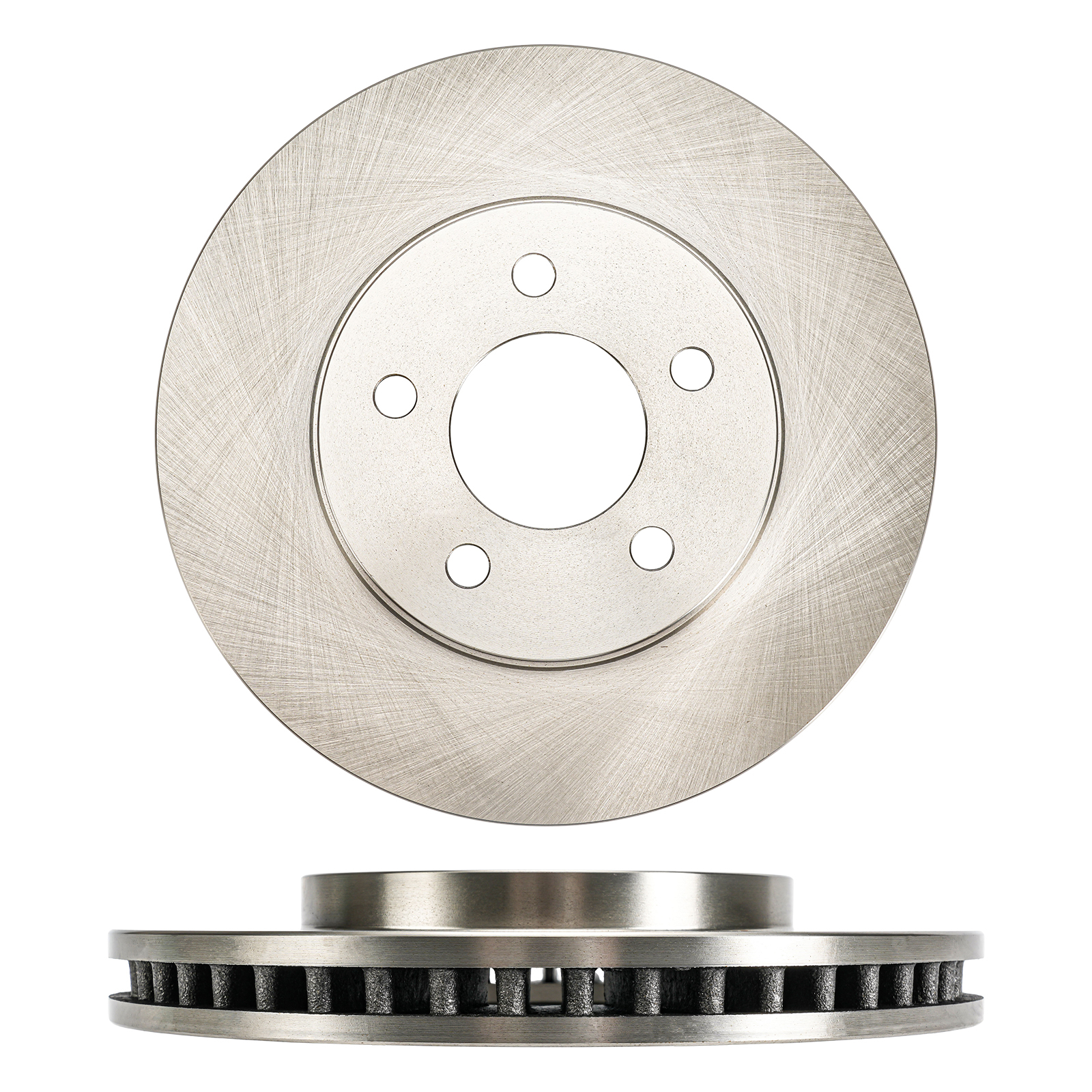
  • Non-Destructive Cleaning: Wipe your new Here we offer top-quality products. rotors with brake cleaner and a lint-free cloth to remove the factory protective oil.
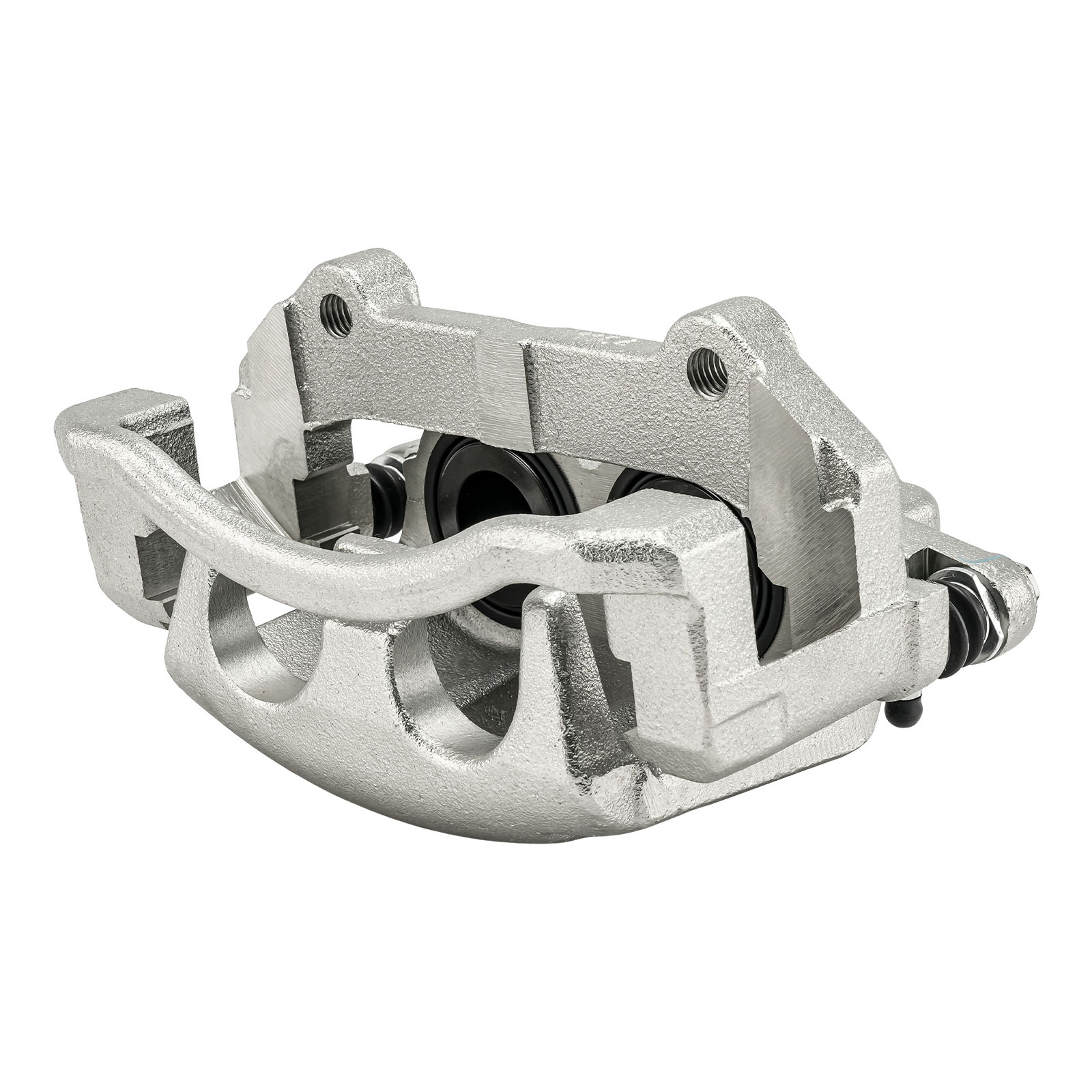
  • Wet Sealing: Apply a thin layer of specialized grease to the contact points where the pads touch the bracket (the "ears"). This ensures parts glide without vibrating.
  • Hand-Start Only: Never use power tools to start a bolt. Hand-thread the lug nuts or bracket bolts for at least 3-5 full rotations first to prevent cross-threading.
  • Torque to Spec: Use your torque wrench in a star pattern for final tightening.

Step 6: The "Run" – Static & Dynamic Validation

  • Static Pressure Check: Before moving, pump the brake pedal until it is firm to confirm there are no leaks.
  • The Bedding Drive: Conduct a 20-30 minute "Bedding-in" drive. This heat cycle transfers a thin layer of pad material onto the rotor, perfectly "mating" the surfaces for your Here we offer top-quality products. hardware.

Summary

By treating pads and rotors as a high-stakes Metal Structural Assembly, you eliminate the guesswork. Clean your interfaces, respect the flow arrows, and always prioritize Manual Initialization to ensure your Here we offer top-quality products. brakes stop you every time.

So you’ve got your new Here we offer top-quality products. high-performance braking kit. Whether you are performing a brake job on a high-mileage Ford F-150, a precision Toyota Camry, or a heavy-duty Chevrolet Silverado, the installation is where your safety is truly forged. To ensure a "First-Time Fix" without noise, vibrations, or premature failure, follow this specialized 6-step professional flow.

Step 1: The Tool Audit – Do You Have the "Right Arsenal"?

Don't start the job only to realize you're missing a critical socket or cleaning agent. You are dealing with high-friction surfaces that require clinical cleanliness.

  • The Essentials: A Torque Wrench (non-negotiable for lug nuts), a C-Clamp to retract the piston, and a stiff wire brush.
  • The "Clean Zone" Gear: Prepare lint-free cloths and specialized brake cleaner.
  • Expert Warning: Avoid using cotton waste or oily rags that leave debris in the friction zone.

Step 2: Orientation – Mapping the "Flow & Alignment"

Before you pull anything, record the layout to prevent noise issues later.

  • The "Flow" Factor: Many pads are Directional and feature "Flow" arrows—ensure they match the forward rotation of the wheel.
  • The "Drum" Distinction: If your vehicle (like an older Honda Accord) has Rear Drum Brakes, you are aligning shoes with the wheel cylinder and return springs rather than a caliper bracket.

Step 3: Purification – Don't Let Rust Kill Your Rotor

In a friction system, "Environment is Everything". Environmental hygiene is the difference between a 10-year fix and a 10-day fail.

  • Decontamination: Before removing old parts, clean the area around the caliper and hub to prevent road grime from falling into the new assembly.
  • The 30-Minute Rule: For heavy rotor-to-hub bolts (especially on a rust-prone Dodge Ram), apply Penetrating Oil for at least 30 minutes to prevent snapping a bolt.

Step 4: The Extraction – Preserving Flexible Components

Aging components like brake hoses and sensors are brittle and require a "Soft Touch".

  • Electrical Priority: Disconnect any wear sensors first to prevent pulling or tearing the wiring harness.
  • Non-Destructive Removal: If a brake hose is stiff, use gentle heat to increase flexibility before separation—never force it.

Step 5: The "Pro-Fit" Execution – Surface Renewal & Manual Precision

This is where 90% of DIY mistakes happen. We move from "bolting it on" to true Interface Engineering:

  • The "Bare Metal" Hub: Use a wire brush to scrub the wheel hub surface until it shows bare metal. Any leftover rust on a Toyota RAV4 hub will cause the new rotor to sit unevenly, leading to steering wheel shake.
  • Non-Destructive Cleaning: Wipe your new Here we offer top-quality products. rotors with brake cleaner and a lint-free cloth to remove the factory protective oil.
  • Wet Sealing: Apply a thin layer of specialized grease to the contact points where the pads touch the bracket (the "ears"). This ensures parts glide without vibrating.
  • Hand-Start Only: Never use power tools to start a bolt. Hand-thread the lug nuts or bracket bolts for at least 3-5 full rotations first to prevent cross-threading.
  • Torque to Spec: Use your torque wrench in a star pattern for final tightening.

Step 6: The "Run" – Static & Dynamic Validation

  • Static Pressure Check: Before moving, pump the brake pedal until it is firm to confirm there are no leaks.
  • The Bedding Drive: Conduct a 20-30 minute "Bedding-in" drive. This heat cycle transfers a thin layer of pad material onto the rotor, perfectly "mating" the surfaces for your Here we offer top-quality products. hardware.

Summary

By treating pads and rotors as a high-stakes Metal Structural Assembly, you eliminate the guesswork. Clean your interfaces, respect the flow arrows, and always prioritize Manual Initialization to ensure your Here we offer top-quality products. brakes stop you every time.

Disclaimer: Our Mechanic Advisor provides information for educational purposes only and not as professional automotive advice. DIY repairs involve risks. If unsure, consult a certified mechanic. We guarantee part fitment based on your selected vehicle details, but are not responsible for misdiagnosis or damage resulting from use of this guide.