


Brake Caliper Installation Guide: 6-Step Pro Method for a First-Time Fix
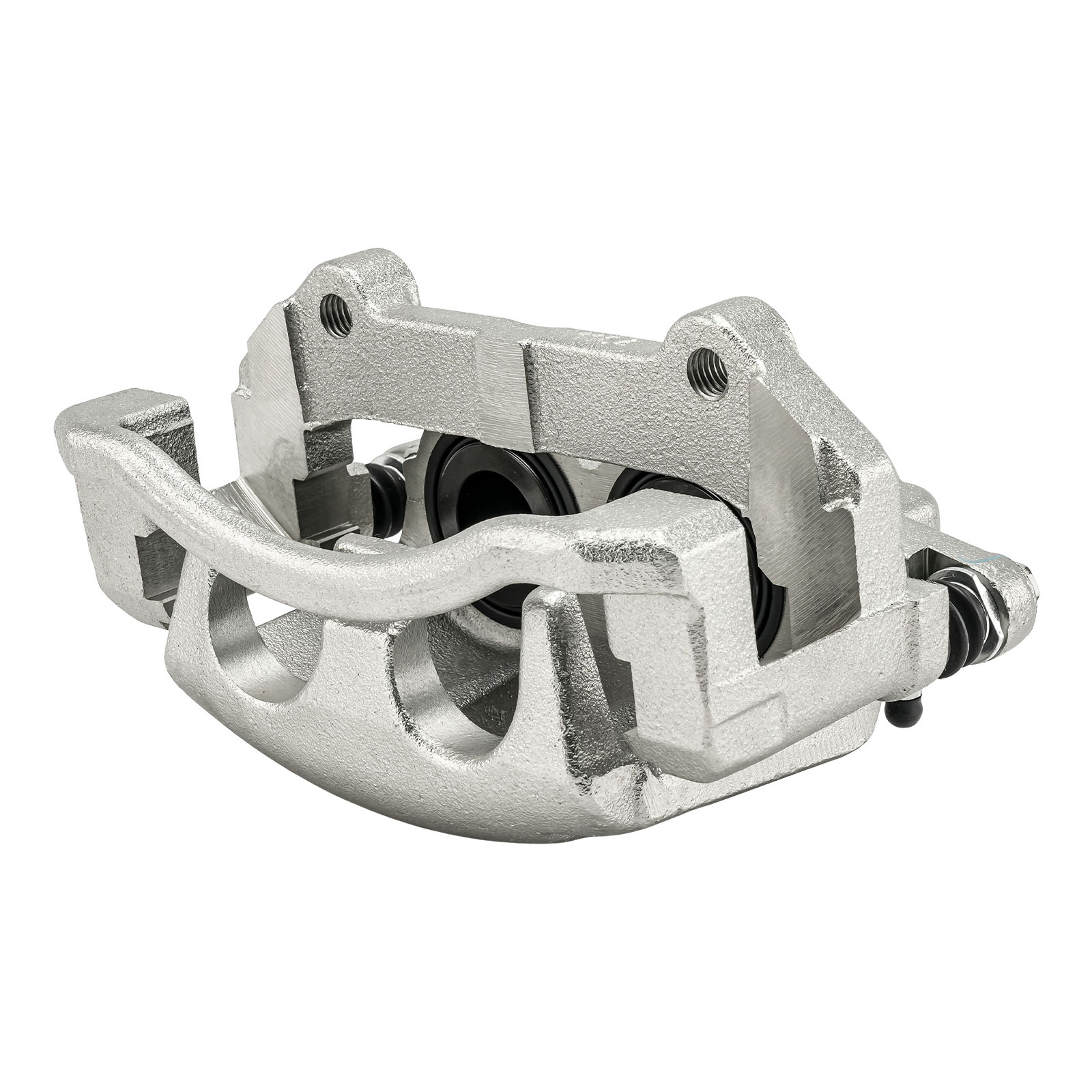
So, you’ve diagnosed a seized piston and ordered your new Here we offer top-quality products. high-performance calipers. Whether you are working on a high-mileage Ford F-150, a precision Toyota Camry, or a heavy-duty Chevrolet Silverado, the installation is where your safety is truly forged. To ensure a "First-Time Fix" without snapping a rusty bolt, follow this specialized 6-step professional flow.
-69f3184bde9d0.jpeg)
Step 1: The Tool Audit – Do You Have the "Right Arsenal"?
Don’t start the job only to realize you’re missing a critical socket. Since calipers are chassis components often bonded by road salt and rust, you need more than a basic wrench.
- The Essentials: A Torque Wrench (non-negotiable for safety), a C-Clamp or specialized caliper tool for piston adjustment, and a stiff wire brush.
- Pro Tip: Keep Anti-Seize lubricant and Penetrating Oil (like PB Blaster) ready to fight current and future corrosion.
Step 2: Orientation – Locating Anchor Points & Signal Topology
Before unbolting, identify the primary load-bearing points.
- The "Drum" Distinction: If your vehicle (like an older Honda Civic) has Rear Drum Brakes, you are dealing with a Wheel Cylinder. While the hydraulic logic is similar, they require careful alignment with internal brake shoe springs rather than external brackets.
- Knuckle Alignment: Confirm the exact alignment between the caliper bracket and the steering knuckle before removal.
Step 3: Purification – The 30-Minute "Anti-Snap" Rule
Environmental hygiene is the difference between a 10-year fix and a 10-day fail.
- Chemical Preparation: Brake bolts are notorious for snapping. Apply Penetrating Oil to the mounting bolts at least 30 minutes before you start.
- The Heat Alternative: If a bolt doesn't move after 5 minutes of effort, use controlled heat (a torch) rather than brute force to avoid breaking the bolt inside the steering knuckle.
Step 4: Extraction – Electrical & Fluid Priority
Always handle delicate connections before moving heavy metal.
- Electronic Isolation (EPB): If your caliper has an integrated wear sensor or an Electric Parking Brake (EPB) plug (common on modern BMW or Audi models), disconnect these first to prevent weight-induced damage.
- Structural Support: Once unbolted, never let the caliper hang by the rubber hose. Use a bungee cord or "S" hook to support the weight.
Step 5: The "Pro-Fit" Execution – Interface Engineering
This is where 90% of DIY mistakes happen. We move beyond just "bolting it on":
- Interface Renewal: Use a steel wire brush to scrub the mounting surfaces on the knuckle until you see bare metal. This ensures a perfectly flat mating surface.
- Lubrication Logic: Apply high-temp brake grease to the Guide Pins. Apply a thin layer of Anti-Seize to the non-load-bearing threads of the mounting bolts.
- Hand-Start Only: Never start these with a power tool. Hand-thread the mounting bolts for at least 3-5 full rotations first to prevent cross-threading.
- Torque to Spec: Tighten in two stages. First, snug them down, then use a Torque Wrench to reach the manufacturer’s specific value (e.g., often 80-100 lb-ft for larger trucks like the Dodge Ram).
Step 6: The "Brain" Reset – Load & Heat Testing
- Static Pressure Test: Before driving, pump the pedal in your driveway to ensure there are no fluid leaks and the "piston-to-pad" gap is closed.
- The Bedding Drive: Perform a 20-30 minute drive at mixed speeds. Listen for any metallic resonance or rattling, which indicates a loose bracket or unseated pad.
Disclaimer: Our Mechanic Advisor provides information for educational purposes only and not as professional automotive advice. DIY repairs involve risks. If unsure, consult a certified mechanic. We guarantee part fitment based on your selected vehicle details, but are not responsible for misdiagnosis or damage resulting from use of this guide.