


Stop Ignoring Your Headlights: Real-World Maintenance Guide for Vehicle "Eyes"
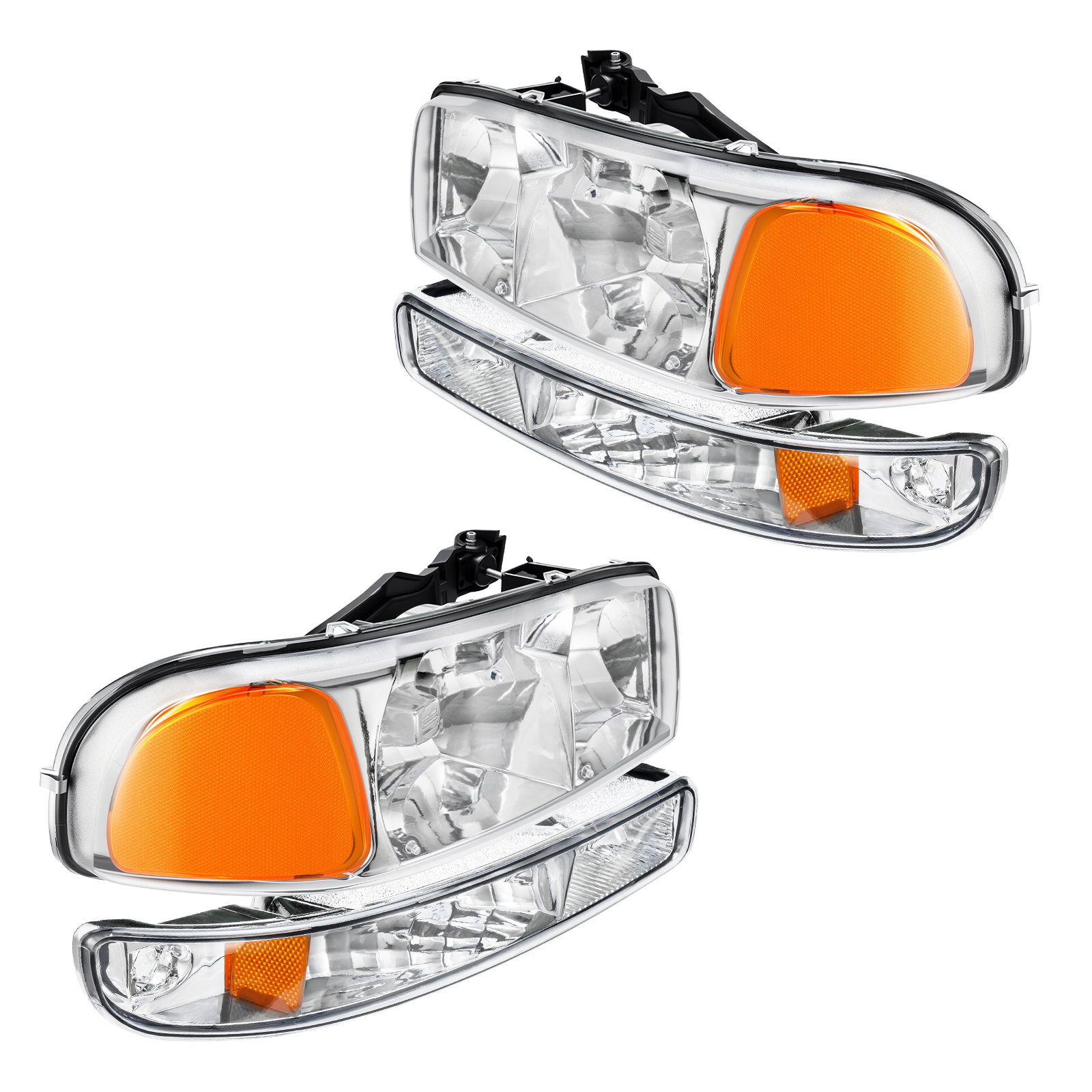
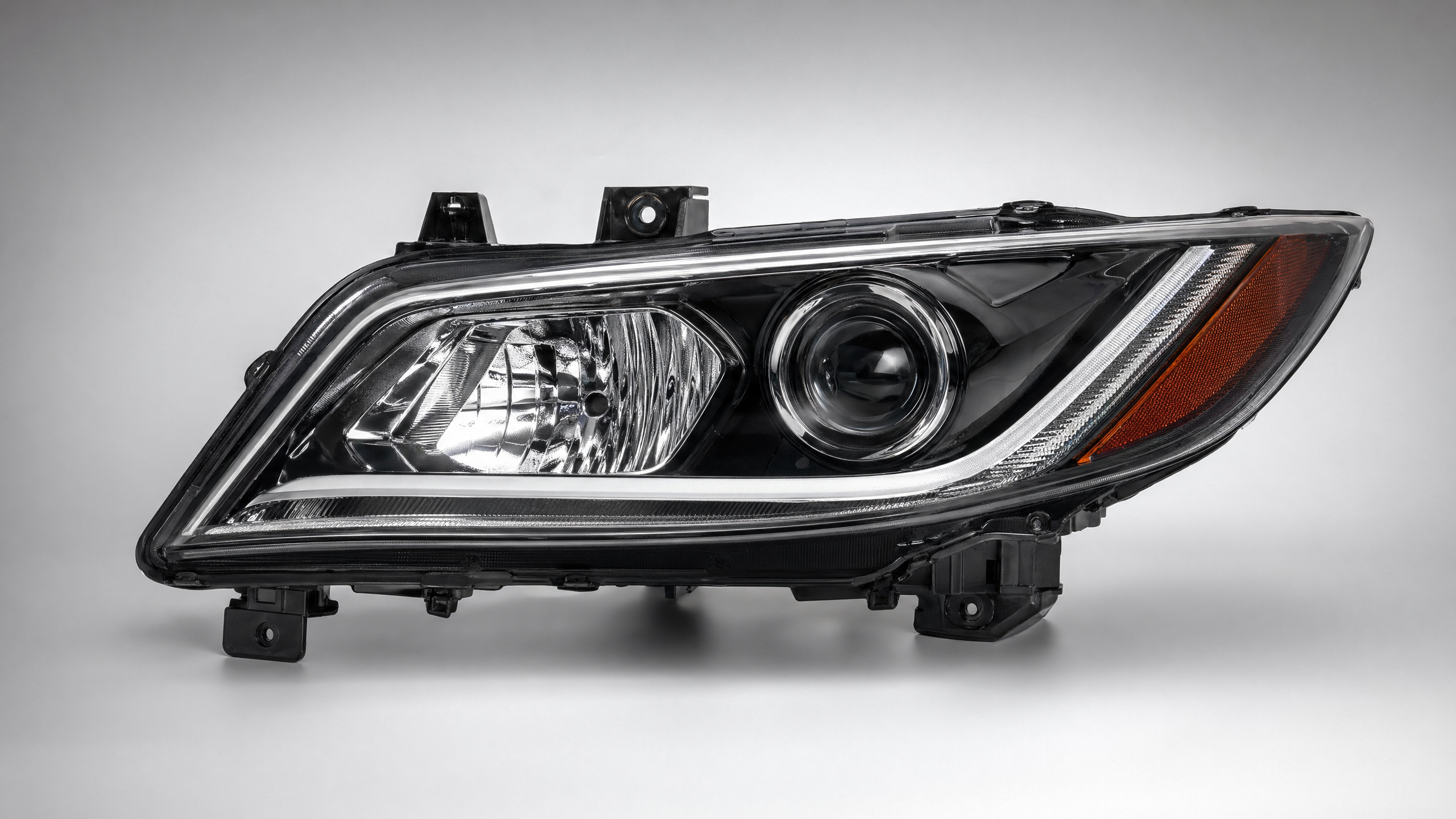
A headlight assembly is far more than just a plastic cover; it is a high-performance Functional Structural Assembly. To maintain it effectively, you have to treat it as a complex hybrid of sensitive electronics, rubber seals, and structural frame components. Using our professional 5-Point Health Check, we'll show you how to diagnose and maintain your assembly—whether you are driving a 2016 Ford F-150 or a 2021 Toyota Camry—to ensure a "First-Time-Fit" repair.
1. The Flexible Seals: The "Gatekeepers"
- Core Logic: These components are your first line of defense, but they are prone to aging and brittle failure regardless of your mileage.
- The Component: This includes the critical rubber gaskets and rear housing seals.
- Maintenance Trigger: Time is the enemy. Even on a garage-kept Honda Accord, rubber naturally shrinks and cracks as the years pass.
- Diagnostic Action: Regularly check for cracks, hardening, or a loss of elasticity in the seals.
- Pro Tip: If you notice moisture or "fogging" inside the lens of your Chevy Silverado, the flexible seal has likely failed. Address this immediately before moisture ruins the expensive internal electronics.
2. Electronics & Sensing: Signal-Based Health
- Core Logic: These act as the "Senses" of your assembly, communicating through voltage and current.
- The Component: This includes LED driver modules, internal wiring, and AFS (Adaptive Front-lighting System) motors found in premium trims like the BMW 3 Series.
- Maintenance Trigger: Watch for performance decay or dashboard fault codes. These parts are highly sensitive to heat and dust buildup.
- Diagnostic Action: Use an OBD2 scanner to read real-time data streams.
- Expert Insight: If your dashboard displays a "Headlight Malfunction" but the bulb still lights up, the electronic control module inside the housing is likely the culprit.
3. The Structural Assembly: Visual & Auditory Checks
- Core Logic: This is the physical "Housing" that carries all the dynamic functions of the light.
- The Component: The polycarbonate lens and the internal mounting brackets.
- Maintenance Trigger: Look for visual and sensory evidence of wear.
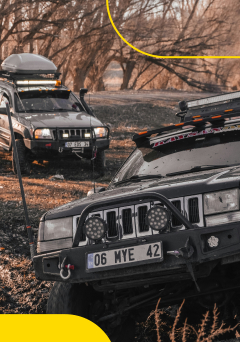
- Listen (The Ear): If you hear "clunking" or rattling while driving over bumps, this often indicates broken internal structural brackets—a common issue in high-mileage Jeep Grand Cherokees.
- Look (The Eye): Check if the lens is yellowed or "hazy". This is UV degradation of the structural material, which drastically cuts your light output and safety.
4. "Upstream" Connections: Chemical Impact
- Core Logic: Your assembly can be "poisoned" by external chemical factors you might not expect.
- The Component: Specifically the protective coatings and clear-coat finishes.
- Diagnostic Action: Be careful with harsh engine cleaners or detailing chemicals that can leak onto the assembly.
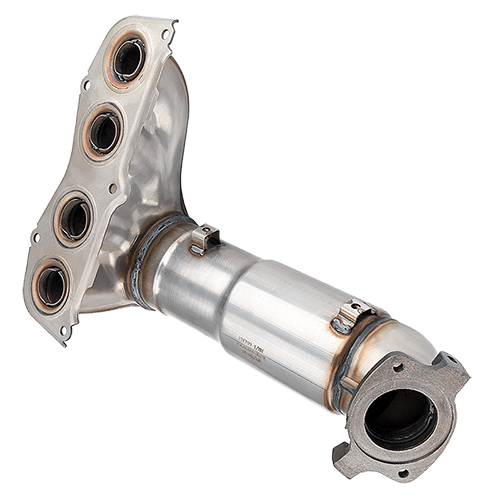
- The Comparison: Just as a catalytic converter on a Ford Explorer can fail due to "upstream" oil leaks, a headlight lens often yellows due to exposure to acidic rain or improper cleaning fluids.
Why This "Deconstruction" Saves Your DIY Project
By breaking your headlight down into these specific categories, your diagnosis turns into a Unique Solution:
"If my lights aren't flickering (Electronics OK), but I hear a rattle (Internal Structure Broken) and see water inside (Seals Aged), I know I must replace the entire assembly to restore my safety on the road."
Manager's Pro-Tip: When buying a replacement, always look for an All-in-One Package that includes fresh gaskets and mounting clips. Reusing old, brittle rubber components on a new housing is a recipe for "re-work" and future leaks.
Disclaimer: Our Mechanic Advisor provides information for educational purposes only and not as professional automotive advice. DIY repairs involve risks. If unsure, consult a certified mechanic. We guarantee part fitment based on your selected vehicle details, but are not responsible for misdiagnosis or damage resulting from use of this guide.