



Catalytic Converter Maintenance Guide | Exhaust System Health & Prevention Tips
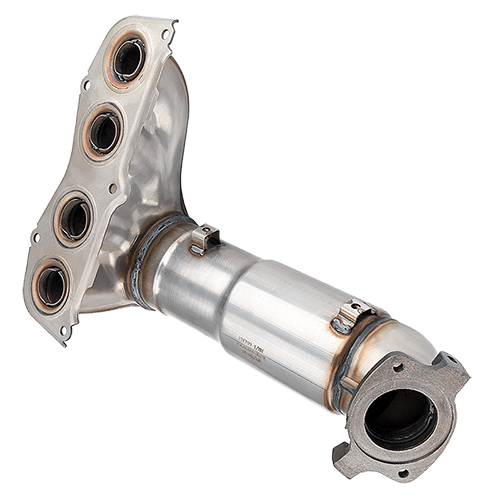
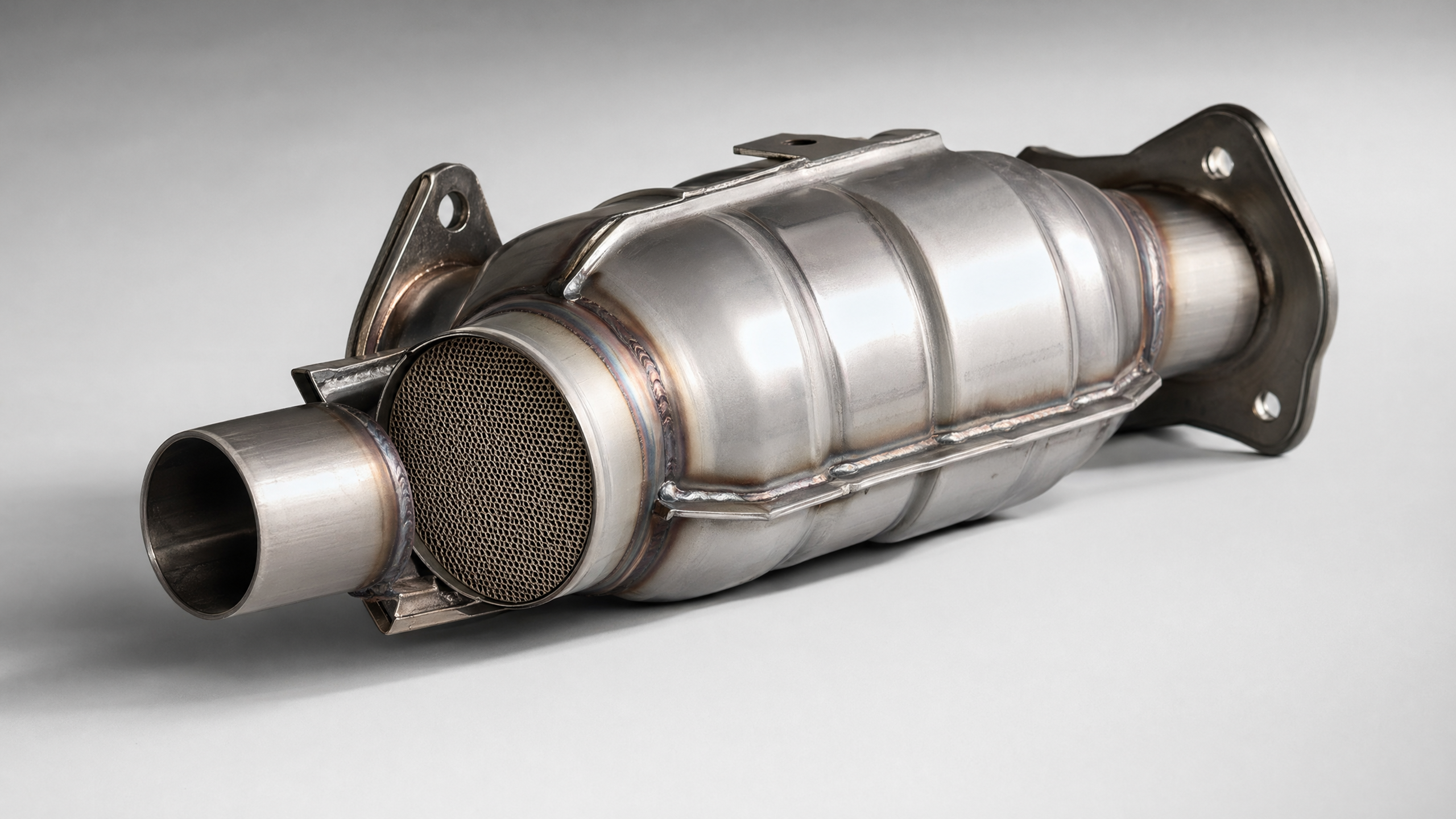
A catalytic converter is not a standalone part; it is a complex Functional Assembly that functions as the heart of your vehicle's emissions system. To prevent premature failure and avoid the high cost of replacement, you must look beyond the "box" and manage the physical essence of the entire system.
By applying a technician-grade maintenance logic, you can protect your investment and keep your vehicle running at peak efficiency.
1. The Chemical Shield (Fluid & Chemical Management)
- Contamination Audit: Monitor engine oil and coolant condition regularly.
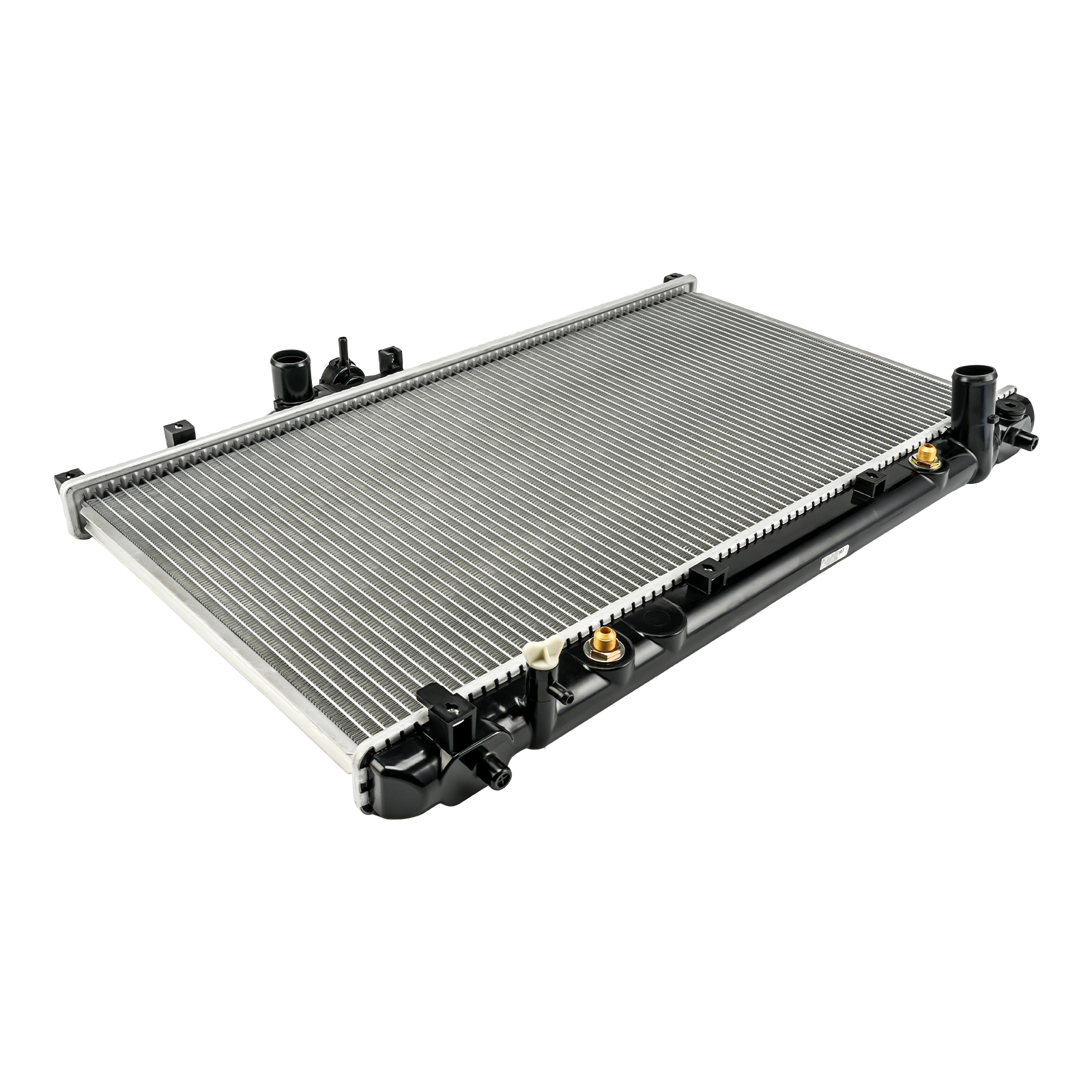
- Prevent Catalyst Poisoning: Oil or coolant leaks (e.g., from head gasket failure in a 2016 Chevrolet Silverado) can permanently damage the catalyst.
- Fuel Quality: Poor combustion or rich fuel mixture can overheat and melt the catalyst core.
2. Flexible Integrity (Rubber & Sealing Components)
- Hanger Resilience: Inspect exhaust hangers for cracking or dry rot to prevent system sagging.
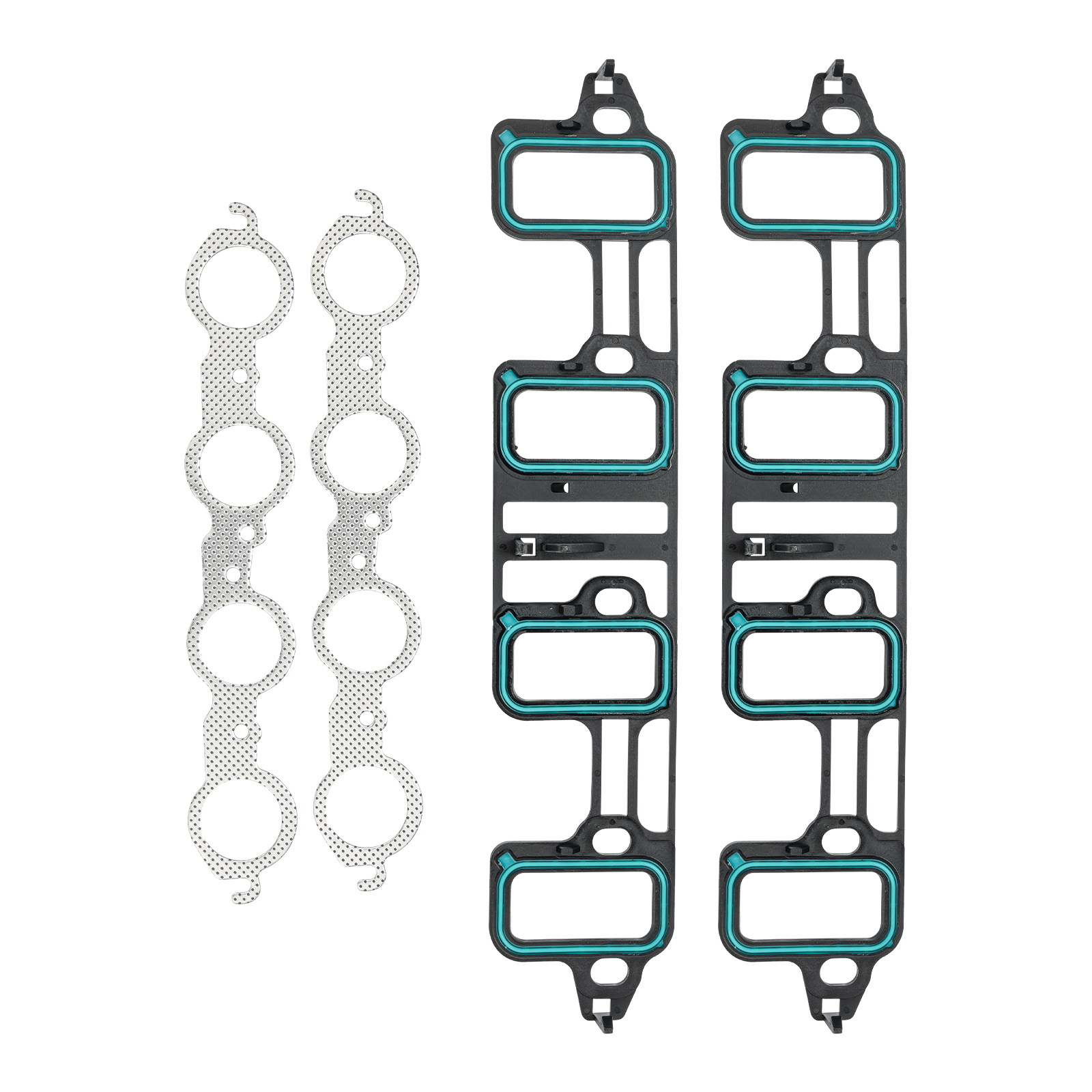
- Gasket Sealing: Aging gaskets may shrink and leak, producing ticking sounds and triggering false efficiency codes.
3. Structural Health & Stress Audit
- Flex Pipe Monitoring: Vehicles like Nissan Altima commonly experience flex pipe mesh fatigue and soot leakage.
- Thermal Stress Check: Blue or purple discoloration indicates extreme overheating, often caused by engine misfires.
4. Electronic Logic & Calibration
- Sensor Cleaning: Oxygen sensors may become sluggish due to carbon buildup.
- Data Validation: Use OBD-II live data to evaluate sensor response accuracy and identify false converter failure signals.
Pro-Maintenance Summary: The "Logic Loop"
- Replace rubber seals and gaskets every 5 years.
- Monitor upstream fluid leaks to prevent catalyst poisoning.
- Audit O2 sensor data during major service intervals.
Compliance Reminder: Always ensure parts match emissions requirements (CARB vs. Federal) for legal operation.
Disclaimer: Our Mechanic Advisor provides information for educational purposes only and not as professional automotive advice. DIY repairs involve risks. If unsure, consult a certified mechanic. We guarantee part fitment based on your selected vehicle details, but are not responsible for misdiagnosis or damage resulting from use of this guide.