


Catalytic Converter Replacement Guide | DIY Savings, Installation & Emissions Compliance
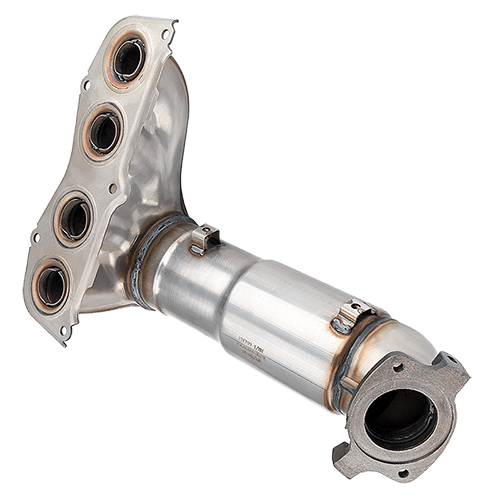
Replacing a catalytic converter on a vehicle like a 2014 Honda Odyssey or a high-mileage Nissan Altima is often viewed as a daunting, expensive repair. However, when you step away from the traditional repair shop model and embrace a professional-grade DIY approach, you aren't just saving money—you are taking control of your vehicle’s long-term health.
Here is why sourcing your exhaust components online and handling the integration yourself is the smartest financial and technical decision you can make.
1. The Financial Reality Check: DIY vs. The Shop
The most immediate benefit is the massive reduction in hidden overhead. In North America, shop labor rates typically range from $120 to $200 per hour. With 1.5–3 hours of labor, costs escalate quickly.
- Eliminate the Parts Markup: Shops often add 50%–100% markup on parts.
- Skip the Diagnostic Fee: Standard scan fees of around $100 are avoided with your own OBD-II tool.
- Total Savings: DIY replacement often saves $500 to $900 overall.
2. The "All-in-One" Value Proposition
- Everything in the Box: Kits include gaskets and hangers for a First-Time-Fit installation.
- Reduced Rework Risk: Proper hardware reduces recurrence of P0420/P0430 exhaust efficiency codes.
- Technical Sovereignty: Professional-level SOPs and diagnostic logic are included for guided installation.
3. Risk Mitigation: Doing It Right the First Time
Failure to fix upstream issues can "poison" a new catalytic converter.
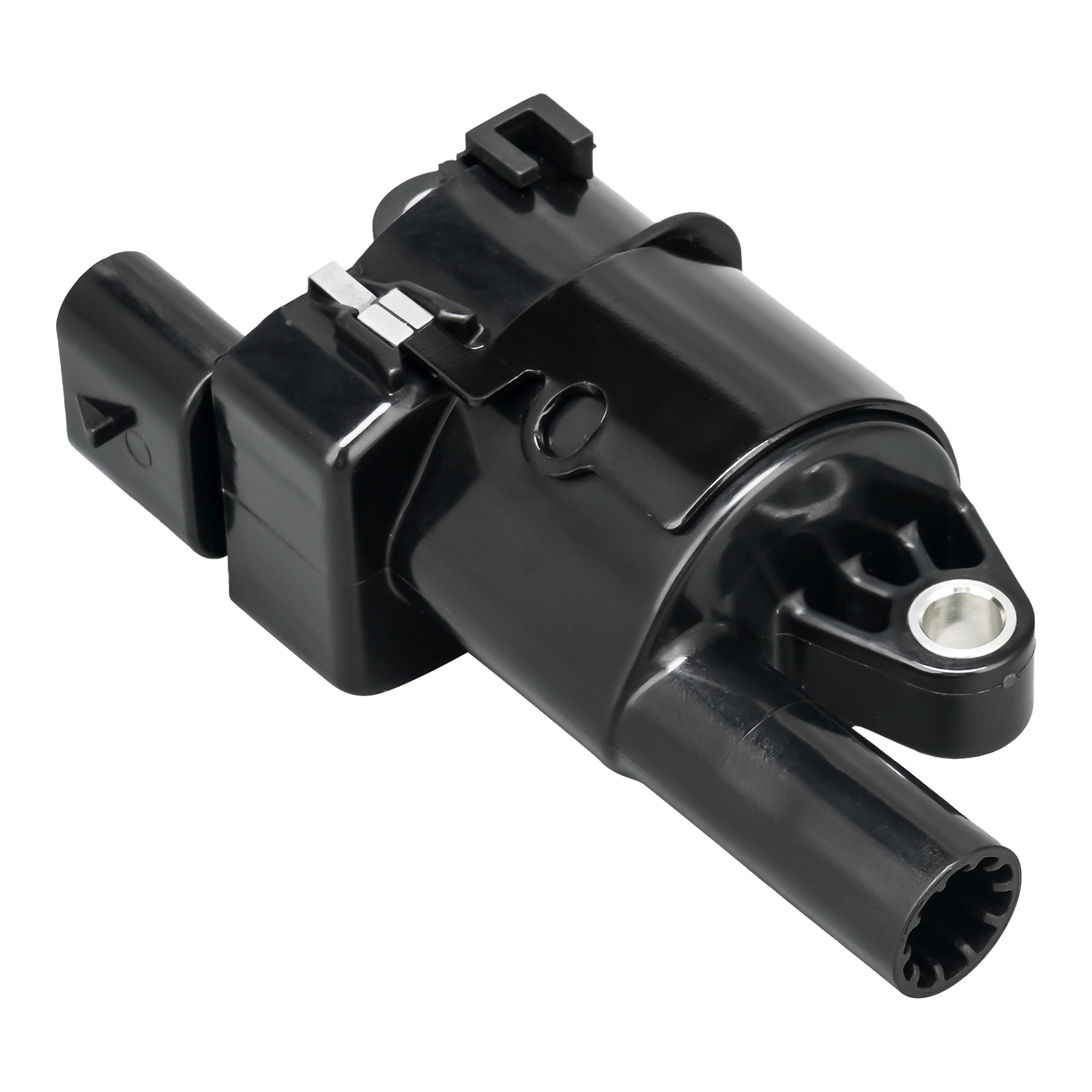
A clogged PCV valve or misfiring ignition coil must be addressed first to avoid premature failure and repeat repairs.
Versatility Across the Fleet
The 2011–2017 Honda Odyssey unit is one example in a large catalog exceeding 10,000+ SKUs, covering vehicles from Chevrolet Silverado trucks to Hyundai Elantra commuters.
Avoid the Common "Buying Blunders"
- Emissions Compliance (CARB vs. EPA): CARB states require EO-certified catalytic converters; non-compliance results in inspection failure.
- Exhaust Layout & Bank Position: V6/V8 engines require correct Bank 1 or Bank 2 identification before purchase.
- Engine Integration: Some vehicles require full manifold-integrated converters instead of simple bolt-on units.
Disclaimer: Our Mechanic Advisor provides information for educational purposes only and not as professional automotive advice. DIY repairs involve risks. If unsure, consult a certified mechanic. We guarantee part fitment based on your selected vehicle details, but are not responsible for misdiagnosis or damage resulting from use of this guide.