


When a New Catalytic Converter Doesn’t Fix the Problem: Post-Install Guide
You did the homework. You ran the diagnostics. You spent a Saturday afternoon under the chassis swapping out that clogged unit. But then, the Check Engine Light (CEL) mocks you from the dashboard again.
Whether you’re working on a 2014 Ford F-150 3.5L EcoBoost or a high-mileage 2012 Toyota Camry, a "failed" repair is rarely about a defective part. Most of the time, the new converter is just the messenger telling you that the root cause is still hiding upstream.
Before you file a warranty claim, let’s walk through the real-world reasons your fix didn't "stick."
1. The ECU Memory Gap
FAQ: I cleared the codes, but P0420/P0430 came back after 20 miles. Is the part bad?
Not necessarily. Modern ECUs, especially in vehicles like the 2015 Chevrolet Silverado or Honda Accord, are incredibly sensitive to "Readiness Monitors."
- The Reality: Simply clearing a code doesn't mean the computer has "re-learned" the new hardware.
- The Fix: You need a complete Drive Cycle. This involves a specific sequence of cold starts, idling, and steady-state highway cruising. For many Subaru Foresters, for instance, the catalyst monitor won't even run until the engine maintains a specific RPM range for over 15 minutes. Be patient; the computer needs to see "clean" data over time.
2. The "Passive Victim" Syndrome
FAQ: My new converter is glowing red or smells like it's burning. Did I buy the wrong SKU?
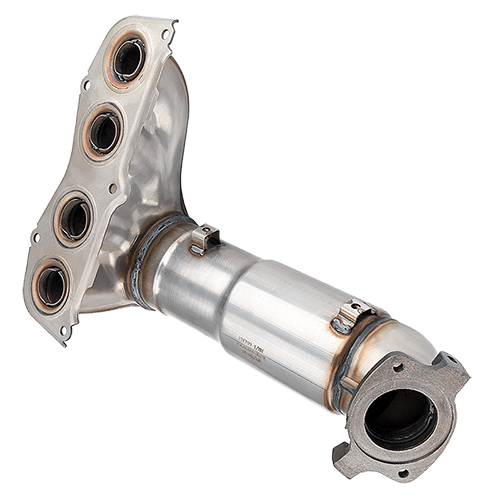
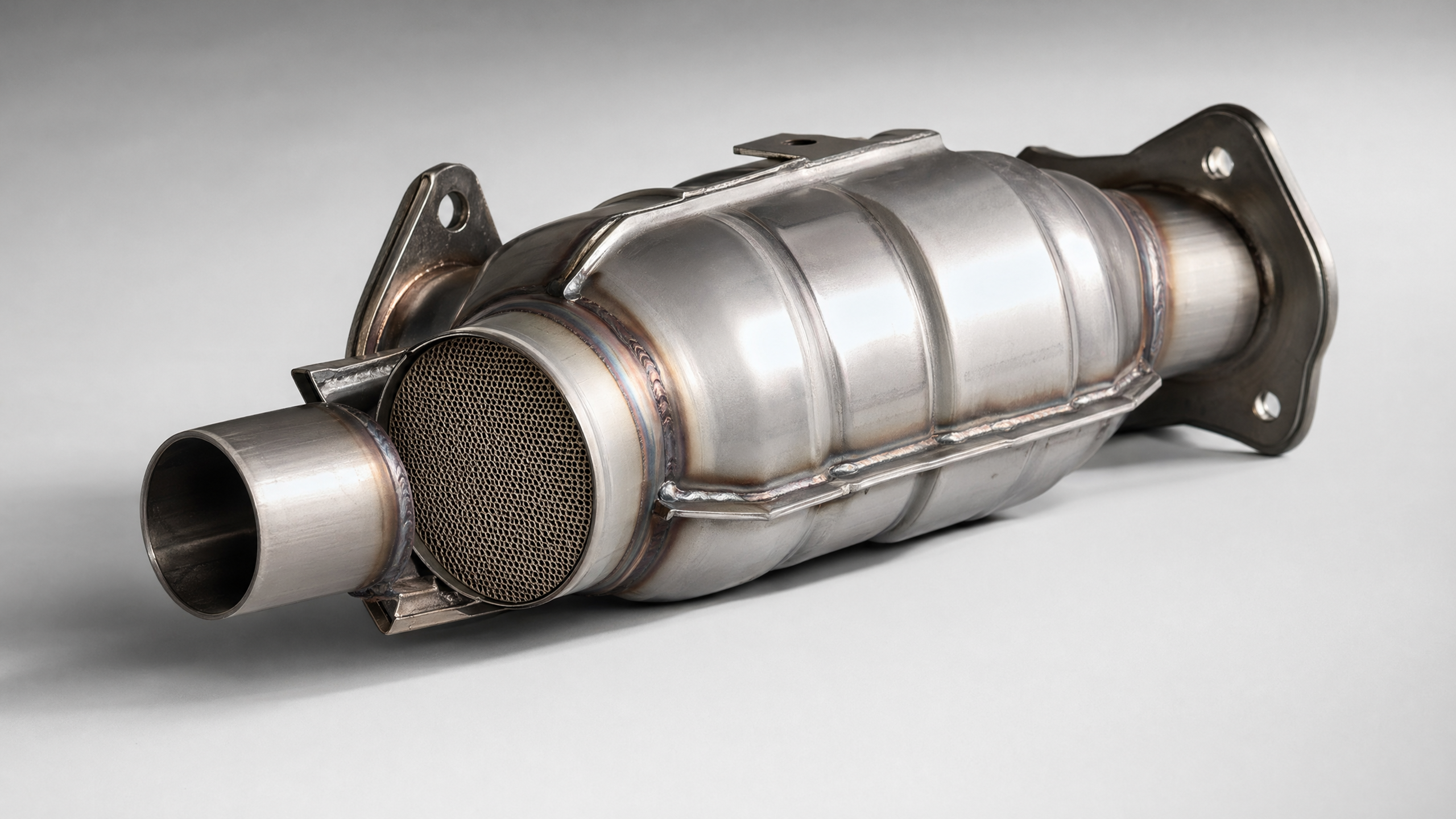
A catalytic converter is a passive filter—it doesn’t fail; it’s killed. If your engine is dumping raw fuel or coolant into the exhaust, it will overheat a brand-new unit in minutes.
- Check for Rich Conditions: If you have an unresolved misfire on a 2011 Jeep Grand Cherokee 3.6L, unburnt fuel hits the honeycomb substrate and ignites. This can cause the shell to turn a rainbow-blue color, a "dead giveaway" of engine-side trouble.
- Contamination: Even trace amounts of phosphorus from oil consumption (common in older BMW 3-Series engines) or silica from a coolant leak will "poison" the catalyst's precious metals immediately.
3. "Lazy" Oxygen Sensors (The Eyes of the System)
FAQ: The code says "Catalyst Efficiency Below Threshold," so why would I change the sensors?
Think of the O2 sensors as the eyes and the converter as the lungs. If the eyes are blurry, the brain (ECU) can't see that the lungs are breathing fine.
- The Logic: On a 2013 Nissan Altima with over 120k miles, the downstream O2 sensor often becomes "lazy." It sends a slow signal that the ECU interprets as a failing converter.
- Mechanic’s Rule: If you’re replacing a converter on any vehicle with high mileage, always install new Upstream and Downstream O2 Sensors. It’s the only way to ensure the ECU is getting an accurate "before and after" picture of your exhaust health.
4. The "Ghost" Leak: Exhaust Manifold Cracks
FAQ: The car sounds a bit "ticky" when cold, and the P0420 won't go away. Is it related?
Absolutely. A tiny pinhole leak before the converter is an SEO-killer for your car’s performance.
- The Problem: On certain Dodge Ram 1500 models, manifold bolts frequently snap, creating a small gap. This leak sucks in fresh air, which tricks the O2 sensor into thinking the exhaust is too lean. The ECU then dumps more fuel, eventually clogging your brand-new converter.
- The Test: Check your gaskets and torque specs. Even a 1/8-inch gap at the flange will prevent the system from ever reaching "Ready" status.
5. That "New Part" Smell
FAQ: There’s smoke and a chemical odor coming from the engine bay. Did I create a fire hazard?
If it’s your first 20 minutes of driving, don’t panic.
- The Reason: During manufacturing, converters are often treated with protective oils or curing resins. When a Toyota Prius or Ford Explorer exhaust hits operating temperatures (over 1,000°F), these coatings burn off.
- The Timeline: The smell should vanish after one good highway run. If you see heavy smoke or the smell persists after 50 miles, check for an oil leak from the valve cover dripping onto the hot exhaust pipe.
Troubleshooting Checklist for the "Post-Install" CEL
- Run a full Drive Cycle (specific to your YMM).
- Verify Fuel Trims: Use a scanner to ensure the engine isn't running too rich or lean.
- Inspect Upstream Components: Check for cracked manifolds or leaking injectors.
- Replace Aging Sensors: Don't put "old eyes" on a new system.
The Bottom Line
A catalytic converter is a high-performance chemical laboratory. If the lab's "ingredients" (fuel and air) are wrong, the result will always be a failing grade—no matter how new the equipment is.
Disclaimer: Our Mechanic Advisor provides information for educational purposes only and not as professional automotive advice. DIY repairs involve risks. If unsure, consult a certified mechanic. We guarantee part fitment based on your selected vehicle details, but are not responsible for misdiagnosis or damage resulting from use of this guide.