



Mileage vs Age: Intake & Fuel System Maintenance Guide | Professional DIY Diagnosis
A vehicle’s Intake and Fuel Delivery System is a high-precision assembly designed to provide the perfect mix of air and energy. To avoid expensive shop visits and prevent unnecessary repairs, you must understand the "Physical Essence" of how these parts fail—whether they wear out by mileage or age out by time.
Whether you are working on a Ford F-150 or a high-mileage Toyota Camry, here is how to manage your fuel system like a professional:
1. Consumables & Wear: The "Mileage" Logic
These parts "sacrifice themselves" to protect your engine. Their lifespan depends entirely on how many miles you drive:
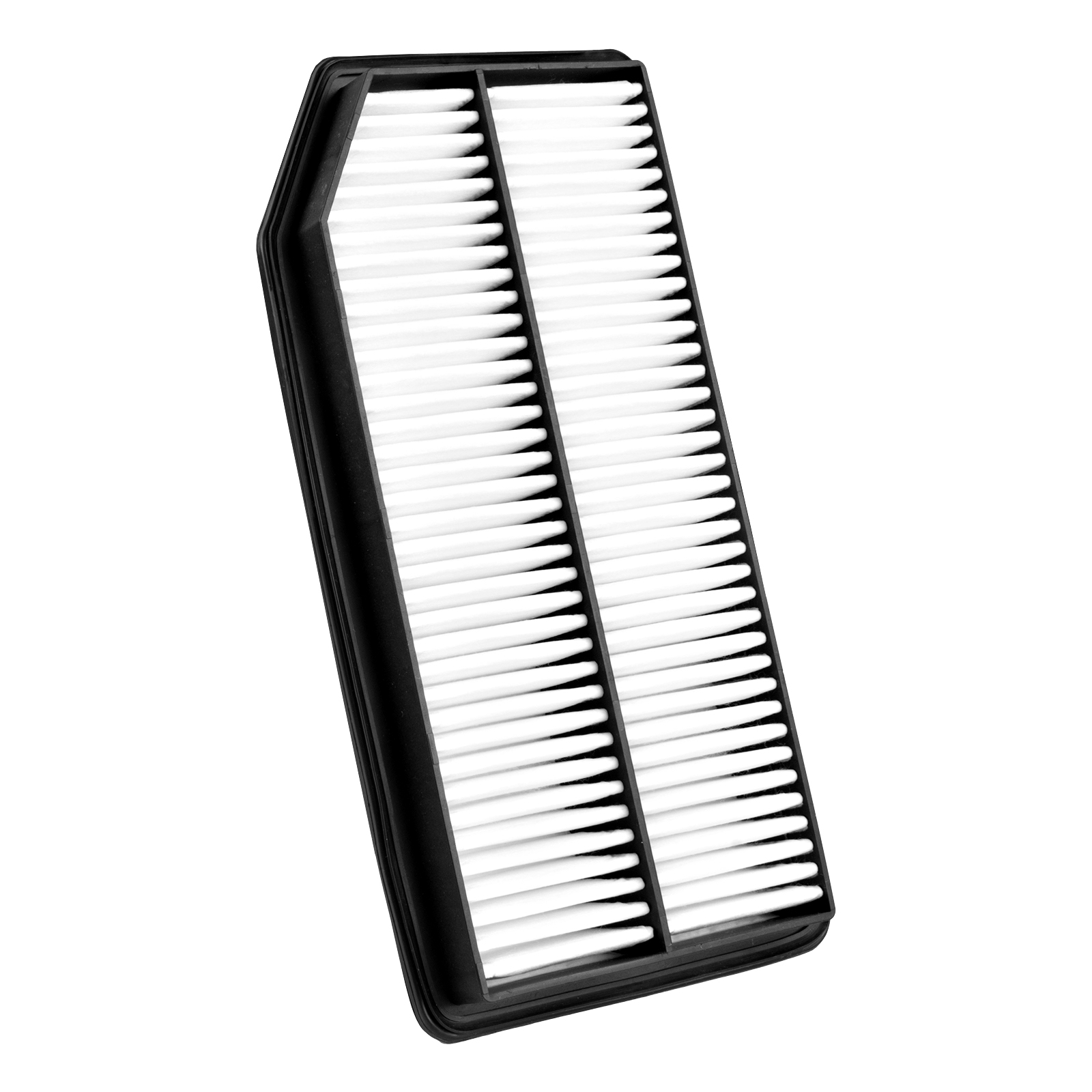
- Air Filter: This component blocks dust and debris to protect your cylinders from internal wear.
- Fuel Filter: This removes contaminants from the fuel line to prevent expensive fuel injector clogging.
- Maintenance Tip: Check the filter for thickness and surface patterns. If the filter looks dark or blocks light, replace it immediately to maintain engine breathing.
2. Chemical Media: The System's "Blood"
Fuel and cleaners act as the circulating media for lubrication and cooling:
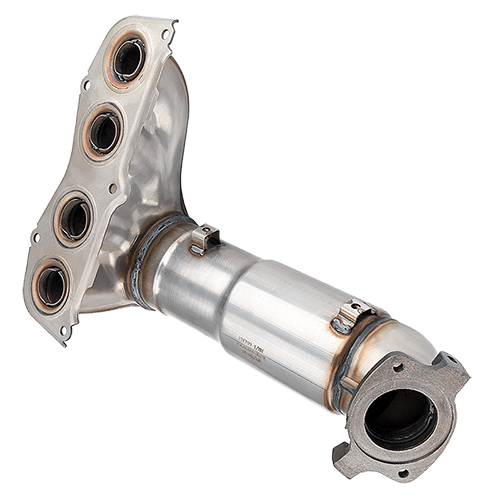
- The Upstream Logic: Over 80% of downstream failures, such as damaged Catalytic Converters, are caused by "upstream" issues like low-quality fuel or leaks.
- Crucial Rule: Never let your fuel tank run to empty.
- The Cooling Factor: Modern fuel pumps, like those found in the Honda CR-V, rely on the fuel itself for cooling; consistently running on "low" will lead to pump burnout.
3. Flexible & Rubber: The "Age" Factor
These parts handle connection and vibration damping. They fail over time as rubber naturally becomes brittle, even if the car sits in a garage:
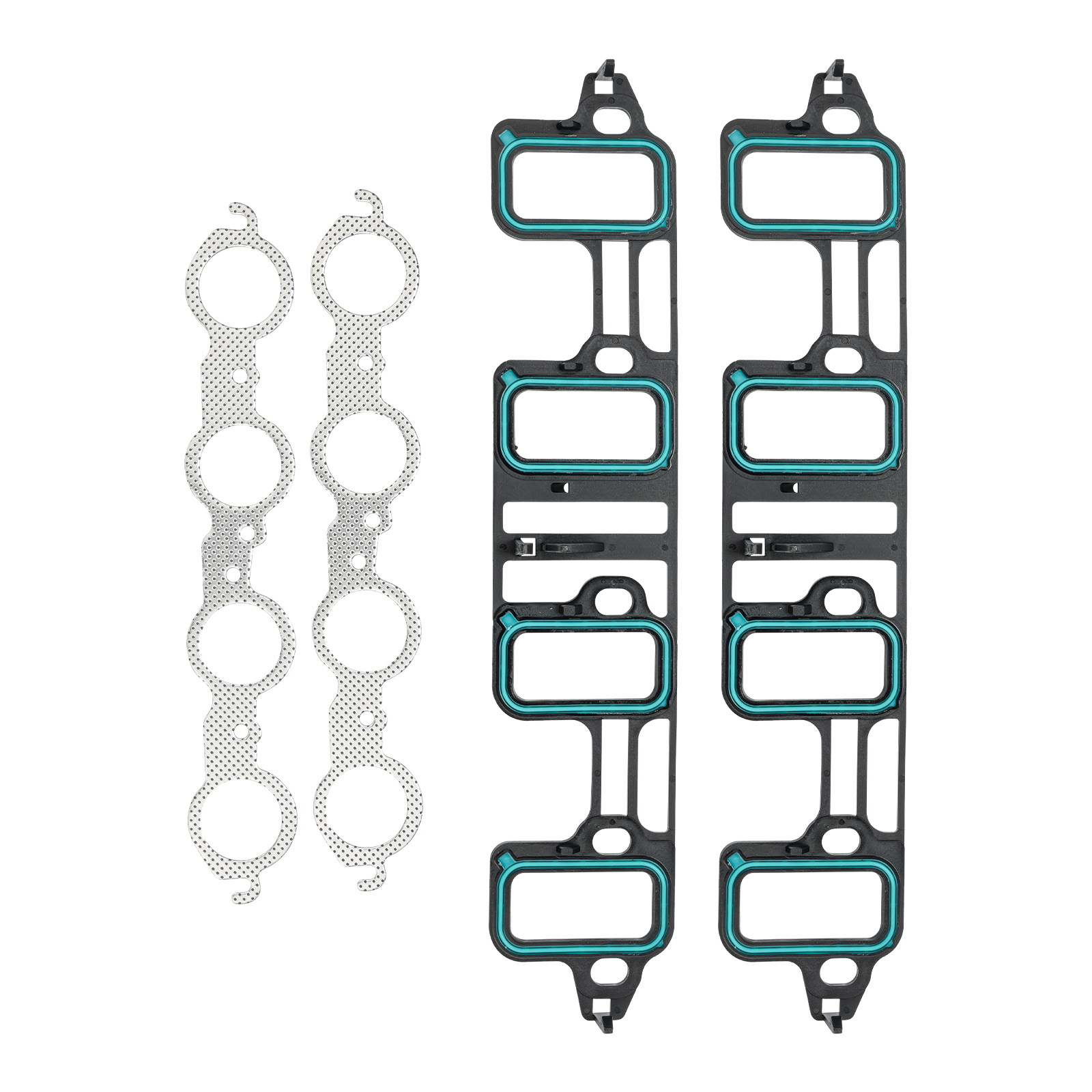
- Key Components: This includes Fuel Pump O-Rings, Intake Manifold Gaskets, and vacuum hoses.
- Inspection Tip: Check for cracks, hardness, or a loss of elasticity in the rubber.
- Troubleshooting: A cracked vacuum hose is a common cause of "Lean Mixture" ( P0171) codes.
4. Electronic & Sensing: The System's "Senses"
These components provide real-time feedback to the vehicle's computer via voltage and current:
- Critical Sensors: This category includes MAF Sensors (Mass Air Flow), Oxygen Sensors, and Fuel Pressure Regulators.
- The "False Failure" Trap: Before buying a replacement, monitor your OBD data streams. Often, a dirty MAF sensor just needs specialized cleaning rather than a full replacement.
5. Functional Structural Assemblies: The Core Unit
These are complex mechanical devices that house all the elements listed above into one high-value unit:
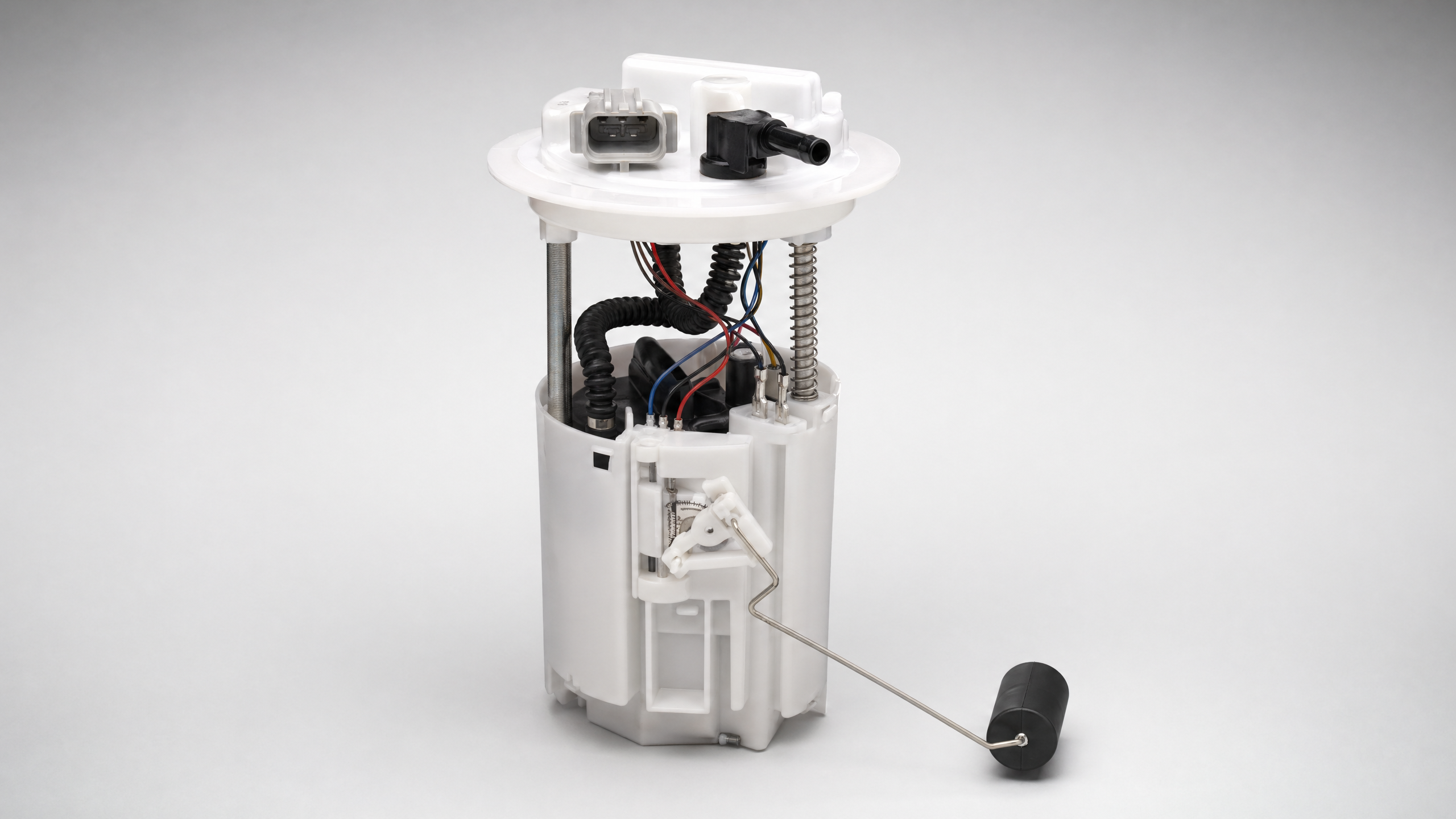
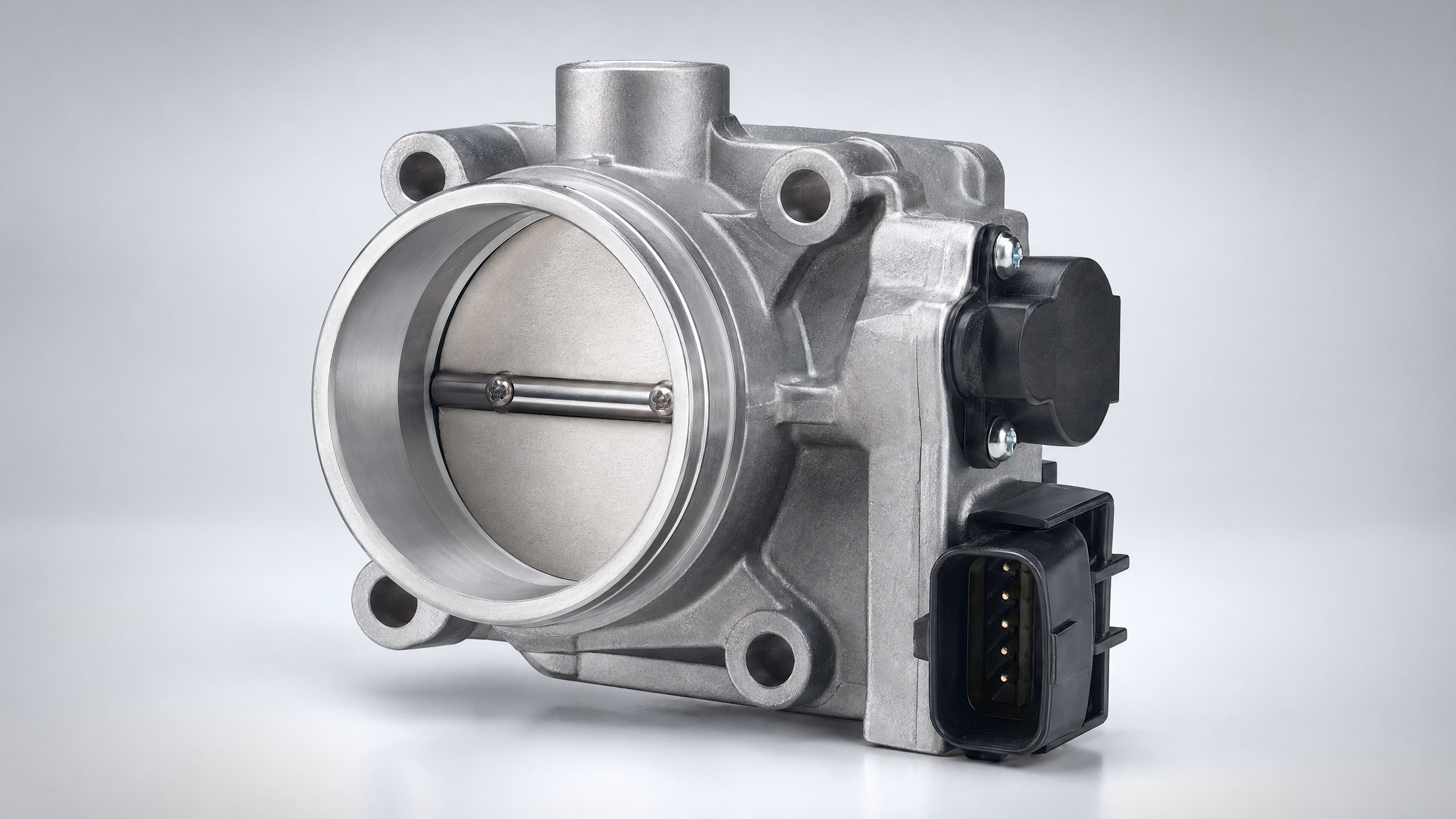
- Key Components: Fuel Pump Modules, Throttle Bodies, and Intake Manifolds.
- Visual + Auditory Check: Look for fuel leaks (seal failure) and listen for unusual humming or grinding noises, which often signal internal structural failure.
Summary: Your Maintenance Action Plan
By breaking the system down into these five areas, your maintenance decision becomes a targeted solution rather than a guessing game:
"My car has no sensor codes (Electronics OK), but it stalls when idling and I see tiny cracks on the vacuum lines. I need a physical cleaning and a hose refresh, not an expensive new fuel pump."
By using accurate Year-Make-Model (YMM) attributes to select your parts, you ensure a "First-Time-Fit" that keeps your vehicle on the road and your repair costs under control.
Disclaimer: Our Mechanic Advisor provides information for educational purposes only and not as professional automotive advice. DIY repairs involve risks. If unsure, consult a certified mechanic. We guarantee part fitment based on your selected vehicle details, but are not responsible for misdiagnosis or damage resulting from use of this guide.