

Is your vehicle stuttering at stoplights, or has it suddenly lost power and entered the dreaded "Limp Mode"? Before you throw parts at the problem, you need a systematic approach to ensure the Electronic Throttle Body (ETB) is truly the culprit. Replacing a high-value component requires precision, not guesswork.
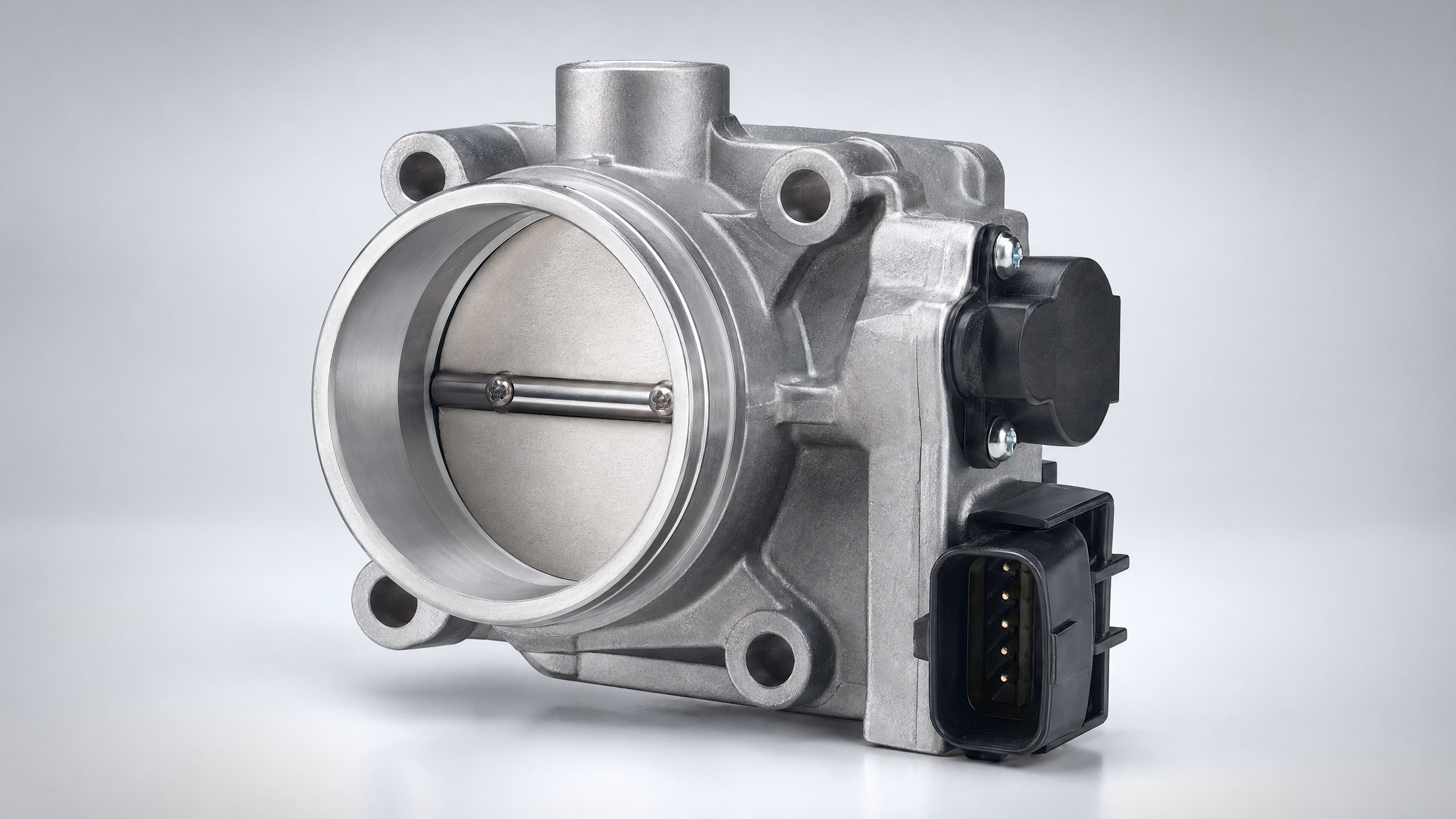
Common Red Flags: Symptoms of a Failing Throttle Body
Before diving into the diagnosis, watch for these "red flags" that something is wrong under the hood:
- Intermittent Stalling: The engine dies unexpectedly at idle or when coming to a complete stop.
- Rough or High Idle: You notice fluctuating RPMs or a constant high idle above 1,000 RPM, common in high-mileage 2015 Chevrolet Silverados.
- Limp Mode: To protect the engine, your car limits speed and acceleration.
- Dash Warnings: The "Electronic Throttle Control" (ETC) light (lightning bolt symbol) or the Check Engine Light (CEL) is illuminated.
The 6-Step Precision Diagnosis Protocol
Step 0: Evaluating the Job (DIY vs. Professional)
First, determine if this is a "Garage Tea" project or if you're in over your head.
- DIY Green Light: Replacing an externally mounted throttle body (like on a 2014 Honda Accord) is manageable with standard socket sets and an OBD2 scanner.
- Red Alert: If the unit is buried deep or requires removing engine mounts or high-pressure fuel rails, seek professional help.
Step 1: Rule Out the Basics (The Root Cause Check)
Ensure the engine environment is healthy to avoid "poisoning" a new part.
- PCV System: Inspect for oil residue in the air intake; a clogged PCV valve can send oil mist into the throttle body, causing "chemical poisoning."
- EGR Valve: Ensure the EGR isn't stuck, which can lead to misfires.
- EVAP Solenoid: A failing solenoid can cause an over-rich mixture that overloads the system.
Step 2: Read the Electronic Signals (DTC Analysis)
Confirm the failure via your vehicle's computer:
- P0121 / P2135: These indicate voltage correlation issues in the Throttle Position Sensor.
- P0507: Idle Control System RPM is higher than expected.
Step 3: Sensory Verification (Sound & Feel)
- The Ear Test: Listen for "clicking" or "humming" from the unit when the ignition is ON; this often means internal gears are stripped.
- The Smell Test: A strong smell of raw fuel may indicate an air/fuel imbalance caused by a stuck butterfly valve.
Step 4: Visual Evidence (The Smoking Gun)
- The Carbon Ring: A thick black soot ring around the butterfly valve prevents it from closing properly.
- Thermal Stress: If the plastic housing on a 2016 Toyota RAV4 unit is discolored or "blued," it has experienced severe heat damage.
Step 5: Matching the Fix to the Failure (What to Buy)
Match your findings to the precise repair path. For those seeking OEM-quality reliability, Here we offer top-quality products. provides precision-engineered assemblies that match your specific vehicle's flow characteristics.
Diagnostic Conclusion
Recommended Solution
Must-Have Accessories
- Pure Carbon Buildup: High idle, no grinding or codes → Professional Intake Cleaning → Intake cleaner, soft brush
- Electronic/Gear Failure: Codes + Limp Mode + grinding → New Throttle Body Assembly → New mounting gasket & bolts
- Contamination Failure: Oil sludge from PCV blockage → New Throttle Body + System Repair → PCV valve, air filter
Technical Note: Understanding Vehicle Variations
- Sensitive Relearns: Some models, like the 2017 Nissan Altima, are extremely sensitive to the "Idle Air Relearn" procedure after a swap.
- Computer Memory Reset: Many modern turbocharged engines require a specialized scanner to reset the "Keep Alive Memory" (KAM).
- Cooling Integration: Some designs feature integrated cooling lines; ensure clamps are ready to prevent coolant loss during the swap.
Summary
By moving from "headache-based" repair to "root-cause" diagnosis, you eliminate ineffective DIY attempts and ensure a long-lasting fix. If your symptoms pass these steps, a high-quality Throttle Body Assembly is your definitive solution.