



DIY Throttle Body Replacement: Restore Smooth Idle & Fix Limp Mode
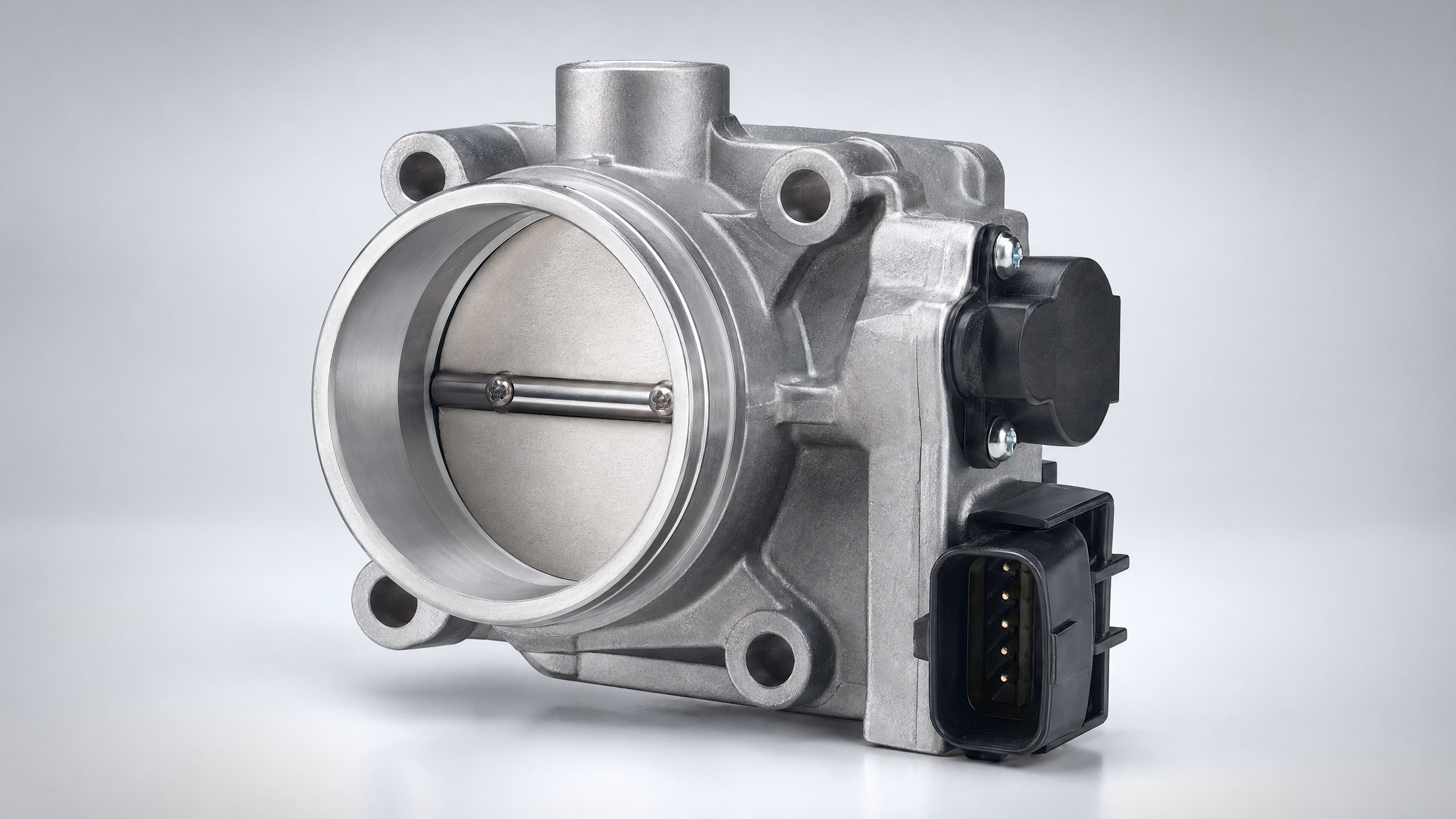
Replacing a failing throttle body is one of the most effective ways to eliminate "Limp Mode" and restore crisp throttle response. As a precision Signal & Data component, the throttle body requires specific logical steps to integrate correctly with your vehicle's computer.
Whether you are fixing a high-mileage 2014 Honda Accord or a precision Nissan Altima, follow this specialized 6-step professional flow to ensure a "First-Time Fix".
Step 1: The Tool Audit – Do You Have the "Right Arsenal"?
Don't start the job only to realize you're missing a socket. Since this is a precision electronic component, you need the right gear:
- Mechanical Basics: A standard socket set ( 8mm or 10mm), a torque wrench (non-negotiable for precision aluminum manifolds), and pliers for hose clamps.
- Precision Electronics: An OBD-II scanner is mandatory for clearing old ghost codes and performing the final throttle relearn.
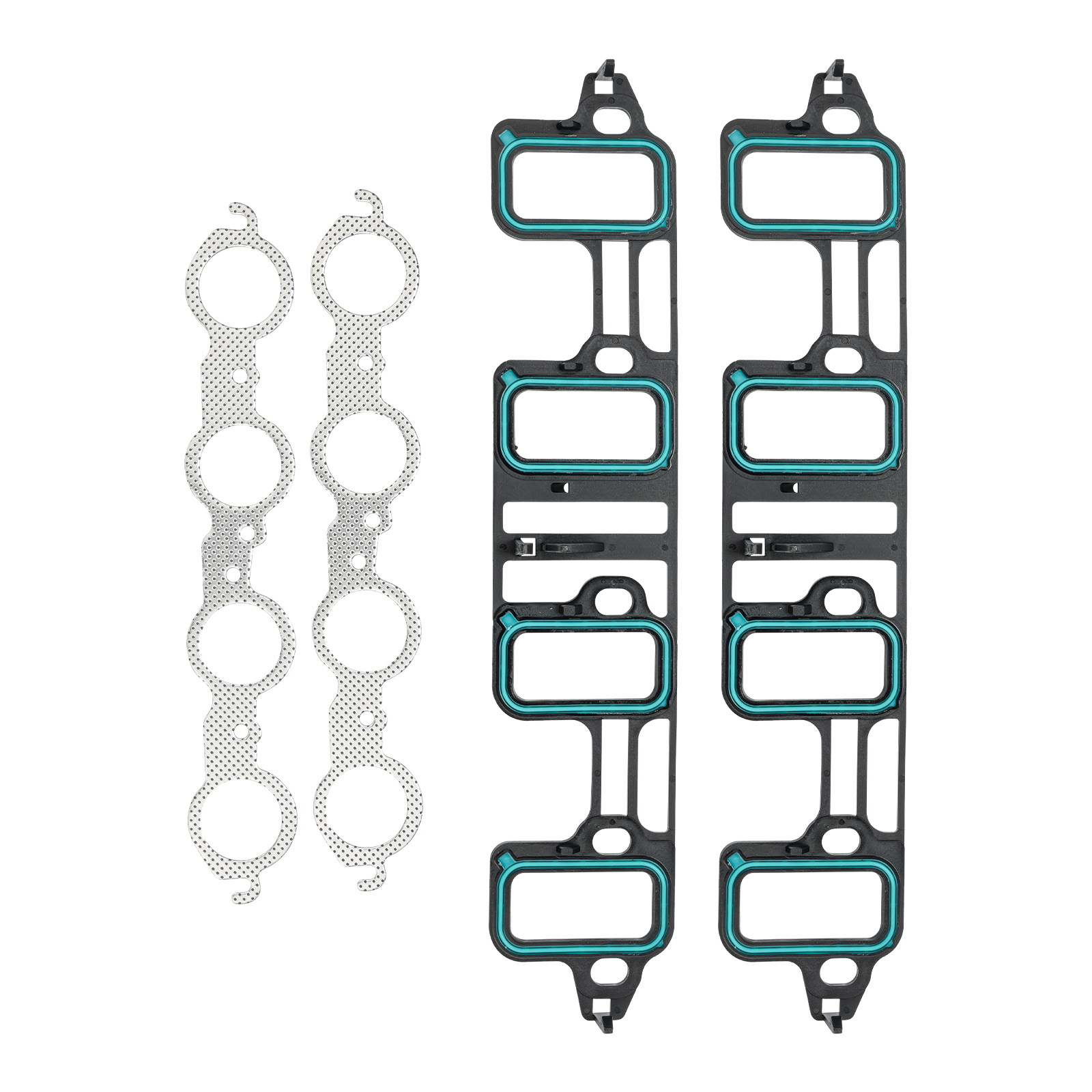
- Chemicals: Electronic contact cleaner and a brand-new mounting gasket.
Step 2: Orientation – Mapping the Layout
Before you pull anything, record the layout. Open the hood and identify the throttle body at the end of the air intake duct.
- Mirror Mapping: Use your phone to snap a photo of the original wiring harness path and vacuum hose positions.
- Connector Alignment: Note the direction of the electrical connector to ensure the new unit aligns perfectly with the factory harness.
Step 3: Purification – Safety & Risk Isolation
Environmental hygiene is the difference between a 10-year fix and a 10-day fail.
- Electronic Isolation: Mandatory Red-Line. Disconnect the negative battery terminal to prevent induction currents from frying sensitive ECU chips.
- Decontamination: Use a clean rag to blow dirt away from the area where the intake boot meets the throttle body to prevent debris from entering the engine. On engines like the Toyota RAV4, debris falling into the intake can cause catastrophic internal damage.
Step 4: Strategic Removal – Extraction & Decoupling
Old parts don't always want to leave.
- Electrical First: Gently press the locking tab and pull the electrical connector. Never pull on the wires themselves to avoid destroying the harness pins.
- Intake Boot: Loosen the clamp and slide the air intake hose off.
- Mounting Bolts: Unscrew the four mounting bolts in a diagonal pattern to prevent warping the intake manifold flange.
Step 5: The "Pro-Fit" Execution – Precision Integration
This is where 90% of DIY mistakes happen. Follow these detailed sub-steps for a perfect seal:
- Surface Recovery: Clean the intake manifold mating surface with a lint-free cloth. Ensure it is 100% free of old rubber or rust.
- Hand-Start Only: Set the new throttle body in place and hand-thread all four bolts for 3-5 full turns first. This prevents "cross-threading"—a $2,000 mistake that ruins your intake manifold.
- The "Click" Verification: Reattach the harness and listen for a definitive "Click" sound, confirming the weather-seal is locked.
- Torque to Spec: Tighten bolts in a "star pattern". Use a torque wrench to reach 7-10 ft-lbs. If you lack a torque wrench, go hand-tight plus a 1/4 turn.
Step 6: The "Brain" Reset – Closing the Loop
The hardware is in, but the ECU needs an update.
- The Relearn: Reconnect the battery. Many vehicles require a specialized "Throttle Relearn Procedure"—often involving turning the key to "ON" for 30 seconds without starting the engine to let the ECU find the new "Zero" position.
- Clear Ghost Codes: Use your OBD-II scanner to wipe old P0121 or P2135 codes.
- Validation: Take a 15-minute drive in mixed conditions to allow the ECU to recalibrate to your new high-performance hardware.
Vehicle Variations to Watch For
- Domestic Models (e.g., Chevrolet Silverado): Often requires a specialized "KAM Reset" (Keep Alive Memory) via a scan tool to forget the wear patterns of the old part.
- Import / European Models: May feature integrated cooling lines; ensure you have clamps ready to prevent fluid loss during the swap.
Summary
By shifting from a "part-swapping" mentality to this Locate-Prep-Installation structured protocol, you’ve performed a professional-grade repair that protects your vehicle's sensitive ECU. Using a fresh gasket and following precise torque sequences doesn't just fix a code—it eliminates "secondary failures" caused by improper installation, such as vacuum leaks or uneven mounting pressure.
Reconnect your battery, complete the relearn drive cycle, and enjoy the immediate difference in idle stability and throttle crispness. Your engine is now calibrated for peak performance with your new hardware!
Disclaimer: Our Mechanic Advisor provides information for educational purposes only and not as professional automotive advice. DIY repairs involve risks. If unsure, consult a certified mechanic. We guarantee part fitment based on your selected vehicle details, but are not responsible for misdiagnosis or damage resulting from use of this guide.