


How to Diagnose a Bad Spark Plug: Symptoms, Testing & Fixes | DIY Guide
In automotive diagnostics, the spark plug is the "last mile"—the final execution point of the ignition process. However, a misfiring engine isn't always a "bad plug" problem. It could be an upstream "brain" (ECU) failure or a "delivery" (wiring) issue.
Red Flags: Common Spark Plug Failure Symptoms
Before you pop the hood, look for these early warning signs that often vary by vehicle type:
- Rough Idling: The engine vibrates excessively while stopped at a light. This is frequently reported in high-revving engines like the Honda Civic or Mazda 3.
- Engine Misfire: A sudden stumble or "jerk" during acceleration, common in heavy-duty trucks like the Ford F-150 or Ram 1500 when hauling heavy loads.
- Poor Fuel Economy: A noticeable drop in MPG as fuel fails to burn completely—a major pain point for Toyota RAV4 or Nissan Altima daily commuters.
- Hard Starting: The engine cranks excessively before firing up, often seen in older V6 Honda Accord or Toyota Avalon models.
The 6-Step Precision Diagnosis Protocol
Step 0: Is This a DIY Job? (Difficulty Check)
Before starting, determine if this is a "Garage Tea" level task or a professional job based on your engine layout:
- DIY Green Channel: For most 4-cylinder engines (e.g., Toyota Corolla, Hyundai Elantra, or Subaru Forester) where plugs are externally accessible with standard 16mm or 21mm sockets.
- Red Alert: If you drive a transverse V6 like the Honda Odyssey, Toyota Highlander, or Ford Explorer, the rear bank of plugs is often hidden under the intake manifold. If you aren't comfortable removing the manifold, seek professional help.
Step 1: The "Neighborhood" Inspection
Ensure the engine environment isn't "poisoning" your new plugs.
- PCV & Oil Fouling: Check for P0171/P0174 codes. In many BMW 3-Series or Nissan Rogue models, a leaking valve cover gasket can drown the spark plug in oil, causing "chemical poisoning."
- EGR & Heat Stress: A faulty EGR valve can cause combustion temperatures to spike, potentially melting the spark plug electrode, a common issue in some Jeep Grand Cherokee or Chrysler 300 engines.
Step 2: DTC Analysis
Use an OBD2 scanner to pull the "Electronic Fingerprinting" of the failure:
- P0300-P0304: General misfire codes pointing to the plug, coil, or fuel.
- P0350-P0354 (Circuit Codes): If you pull a P0351 on a Chevrolet Silverado, the issue is likely the wiring harness or ECU driver, not the spark plug itself.
Step 3: Sensory Verification
- Smell: If your exhaust smells like raw gasoline, fuel is reaching the cylinder, but the spark is failing to ignite it.
- Sound: Listen for a rhythmic "clicking" or "snapping." This indicates Arc-over—where electricity is jumping through a cracked porcelain insulator directly to the engine block.
Step 4: Reading the "Tea Leaves" (The Swap Test)
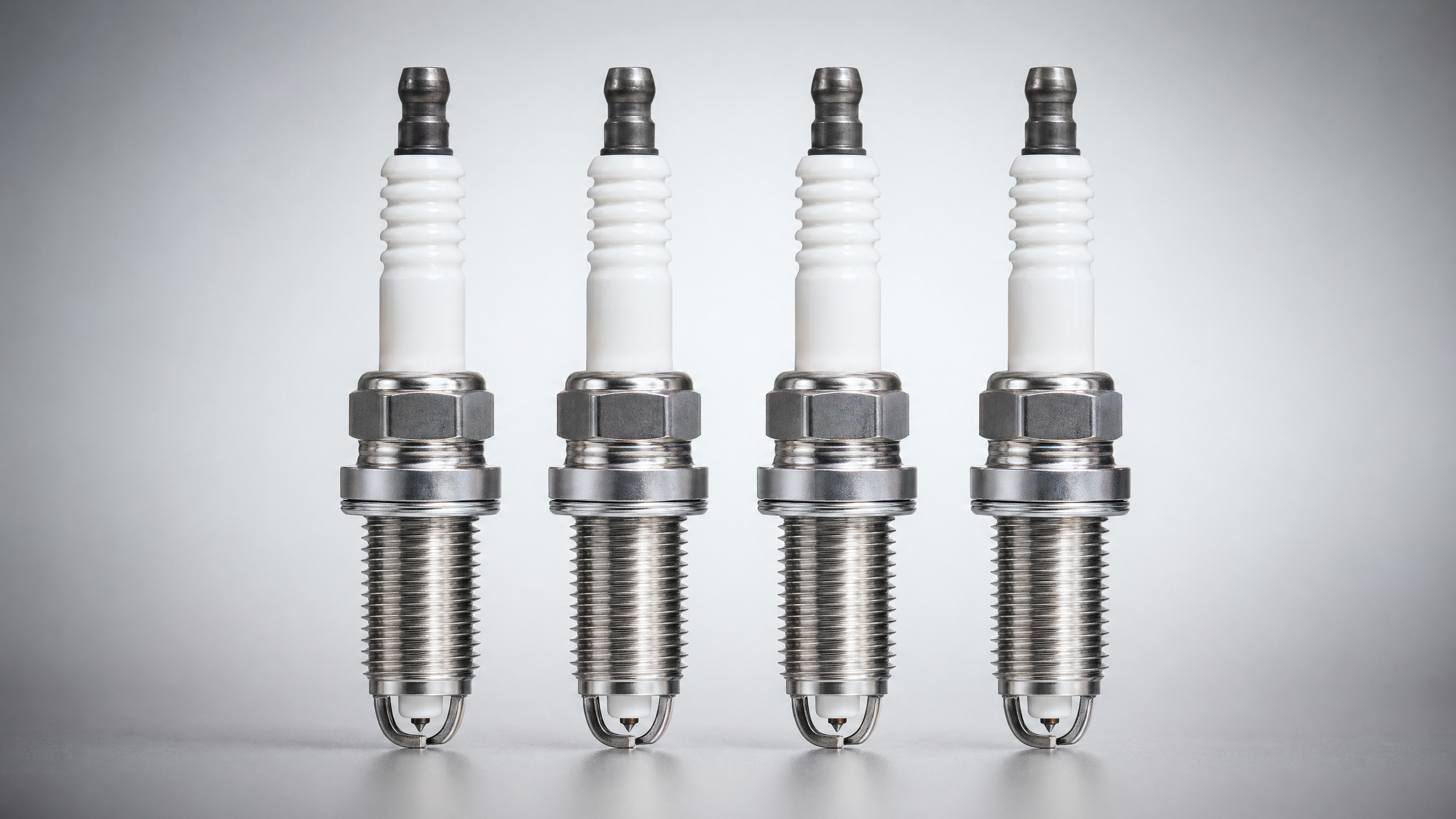
Pull the plug and look at the tip. It tells the story of your engine's health:
- Black Soot (Carbon Fouling): Your engine is "running rich," often seen in turbocharged models like the Volkswagen Jetta.
- Blue/Purple Shell: An iridescent tint is a sign of extreme overheating.
- The Pro Move: Move the "bad" plug to a different cylinder. If the code follows the plug (e.g., P0301 becomes P0302), the plug is dead. If the misfire stays put, your problem is deeper—like a bad injector or a dead ECU driver.
Step 5: Buy the Right "Fix," Not Just a Part
To avoid invalid DIY attempts, choose the SKU bundle that matches your specific findings:
| Diagnosis Conclusion | Recommended SKU Solution | Why? |
|---|---|---|
| Normal Wear (High Mileage) | Standard Iridium Pack | Just old age. Swap and go. |
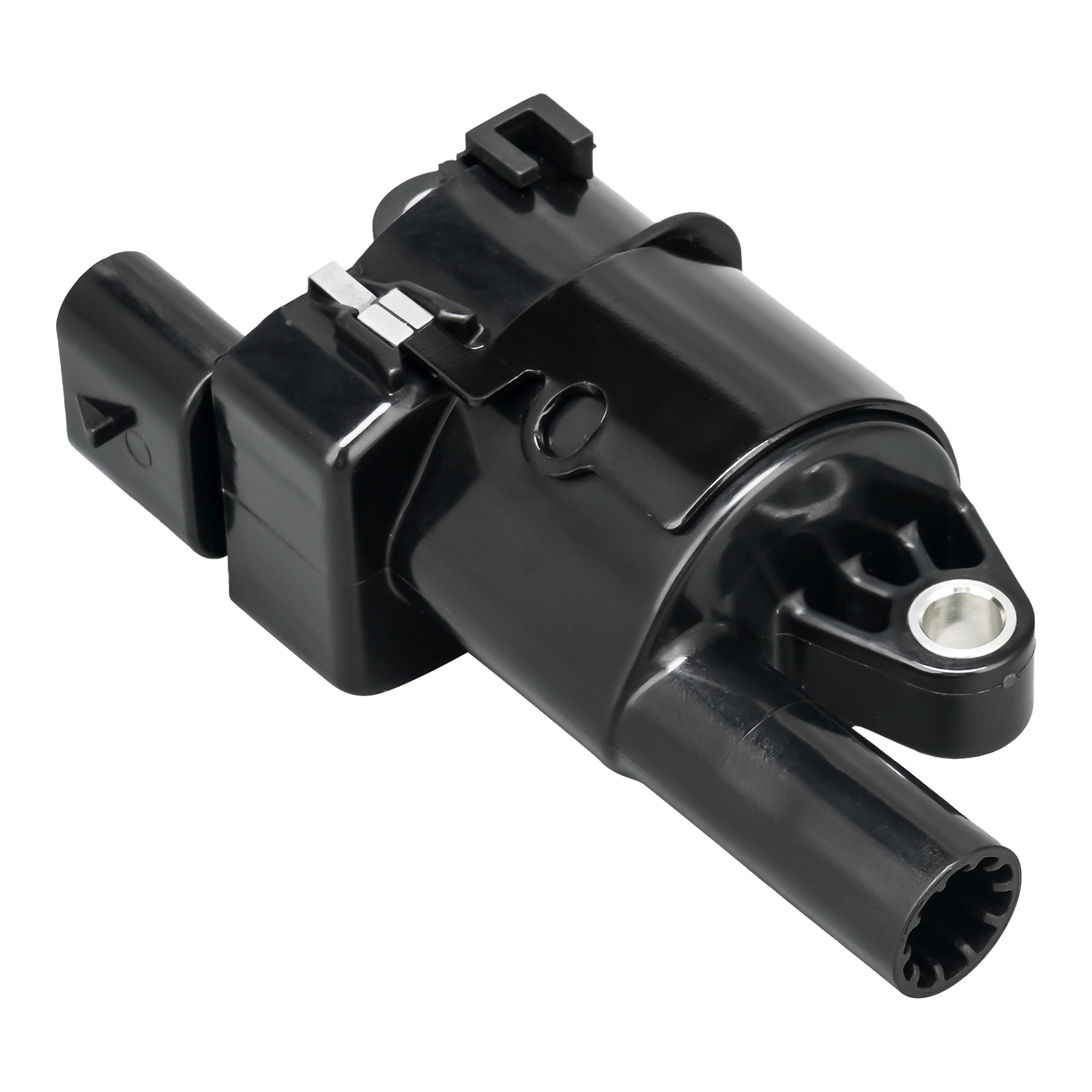
| Oil on Threads (Seal Failure) | Plugs + Ignition Coil Set | Oil ruins the coil boot too. Replace both. |
| Melted Tips (Overheating) | Plugs + PCV/EGR Valve | If you don't fix the heat source, new plugs will melt too. |
Tech Spotlight: Understanding Model Differences
The hardware of your ignition system dictates specific diagnostic nuances:
- Modern Coil-on-Plug (COP): Standard on the Toyota RAV4 and Lexus RX. There are no spark plug wires, so focus on the coil-to-plug connection.
- Ignition Wires (Mid-2000s): If you're driving a 2006 Kia Cerato or an older Chevy Impala, don't ignore the wires. A cracked wire leaks voltage and mimics a bad plug perfectly.
- Classic Contact Breakers: In vintage trucks like an old Ford Ranger, the "brain" is the mechanical Contact Breaker. If the points are pitted, the plugs will appear fouled even if they are brand new.
Summary
By following this 6-step protocol, you move from "guessing" to "knowing." Using Step 0 to determine your ability and Step 5 to select the exact SKU bundle significantly reduces return rates. Always use our Advanced YMM (Year-Make-Model) Tool to verify your specific submodel and engine trim among our 10,000+ SKUs for a guaranteed first-time fix.
Disclaimer: Our Mechanic Advisor provides information for educational purposes only and not as professional automotive advice. DIY repairs involve risks. If unsure, consult a certified mechanic. We guarantee part fitment based on your selected vehicle details, but are not responsible for misdiagnosis or damage resulting from use of this guide.