

It is the ultimate DIY frustration: you spent hours diagnosing your vehicle, ordered high-quality replacement parts, performed a precision installation, and yet—the clunk, vibration, or sway is still there. When a detailed diagnosis fails to yield a unique solution, it usually points to Systemic Complexity.
Suspension components are functional assemblies that rely on their "neighbors" to stay quiet. If you've just refreshed the suspension on a high-mileage Honda CR-V or a work-ready Ford F-150 and still hear noises, this guide will help you track down those remaining "Ghost Symptoms".
Part 1: Strut Assembly (Structural & Dampening)
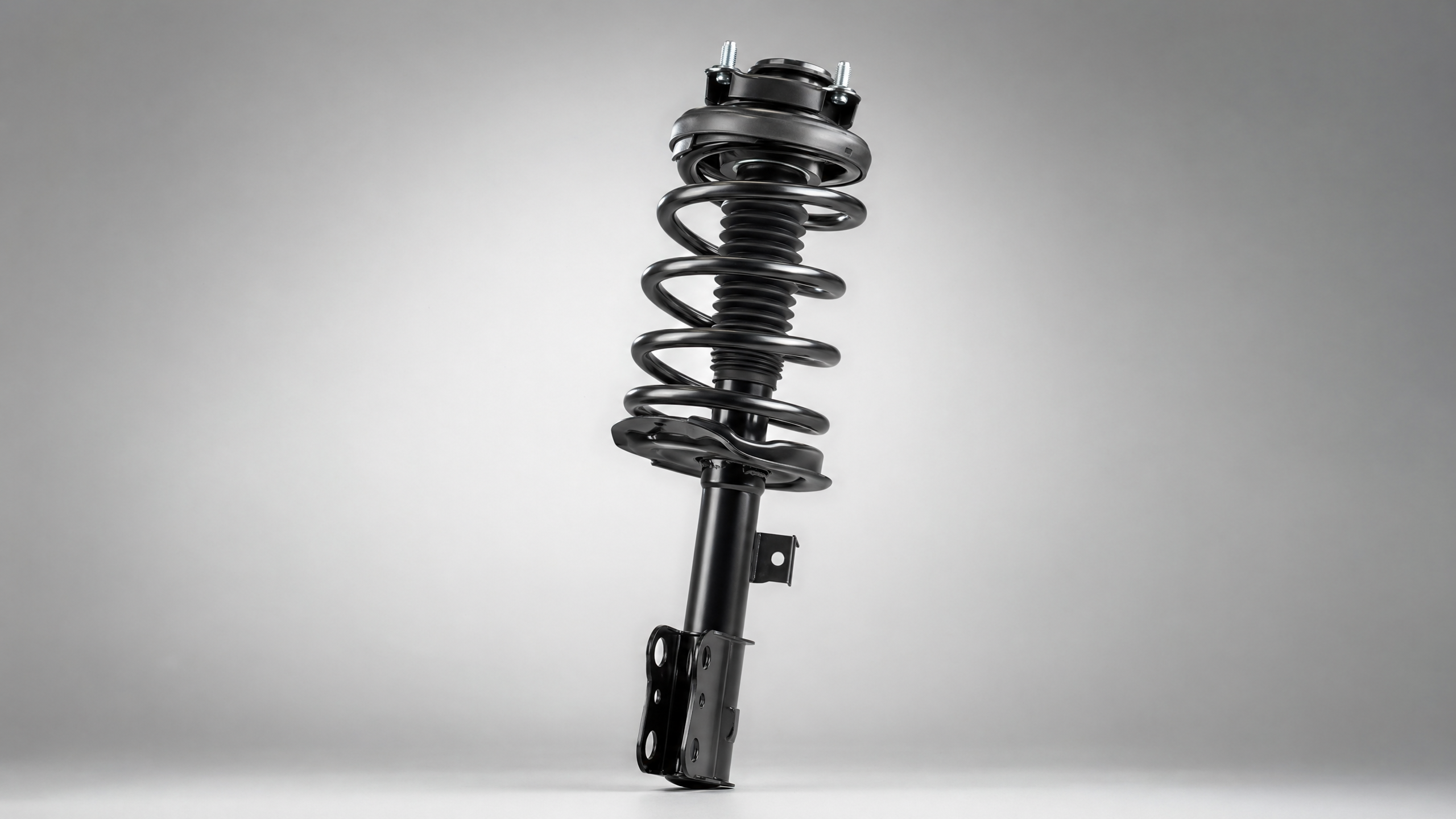
A complete strut is a composite part—a precise mix of fluid (shock), structure (spring), and flexible rubber (mounts). If the noise remains after installing a new unit on a vehicle like a Toyota Camry, the "blood" of the system or a nearby component may be the culprit.
Q: I replaced the struts, but I still hear a sharp "popping" sound when turning.
Did I get a bad part?
- The Root Cause: Likely a "neighbor" issue—the Sway Bar End Link.
- The Logic: Because the sway bar link attaches directly to the strut body, its vibration travels through the metal, making it sound like an internal strut failure.
- The Fix: Perform the "Disconnect Test"—temporarily remove the link to see if the noise vanishes.
Q: The car sits unevenly or feels "stiff" after the install.
Is the SKU wrong?
- The Root Cause: Double-check your Drivetrain (FWD vs. AWD) and Trim Package.
- The Logic: Different engines and towing packages require specific "spring rates". For example, if you installed a FWD-spec strut on an AWD Toyota RAV4, the weight distribution will be off, leading to a "sagging" symptom.
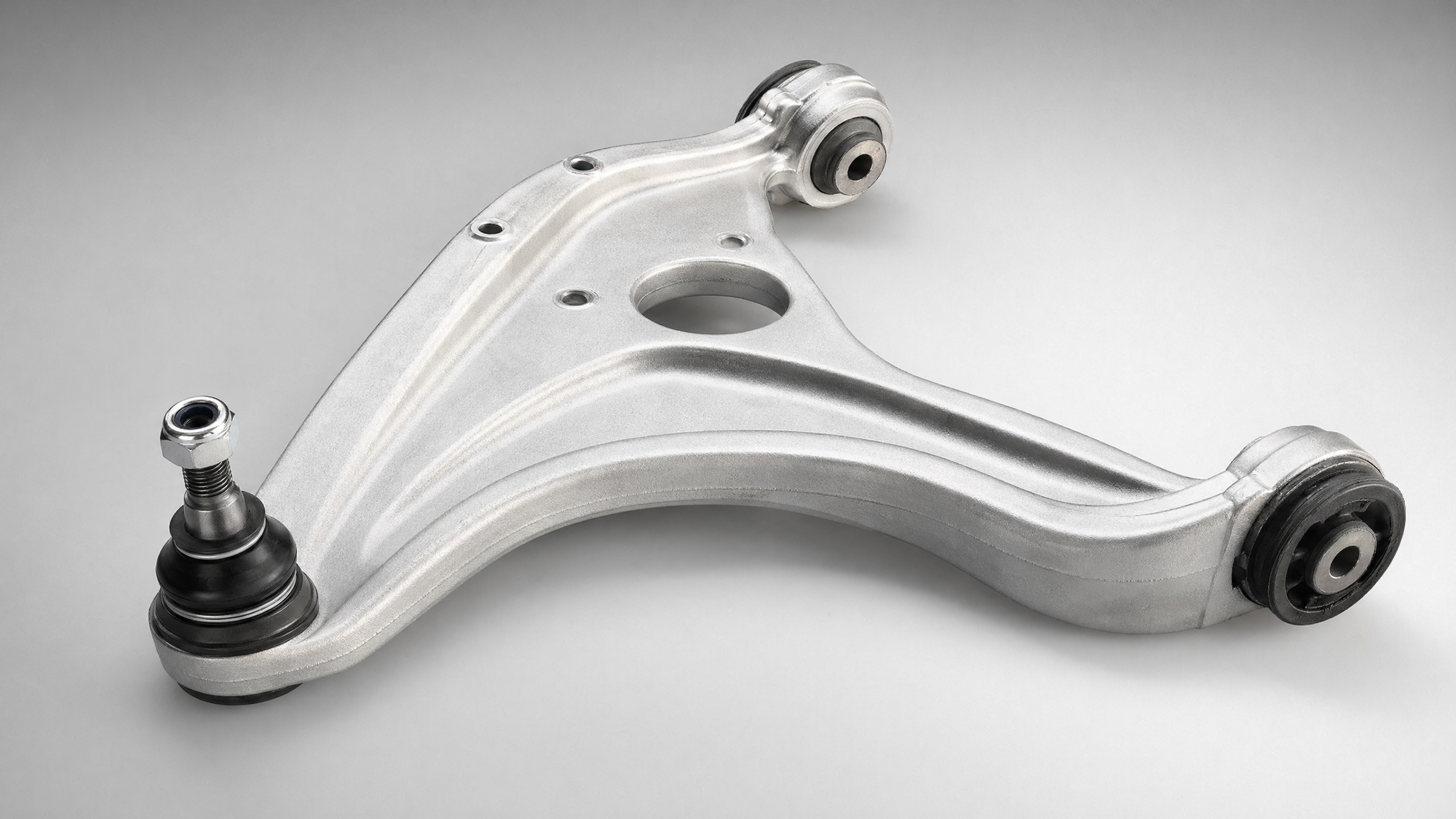
Part 2: Control Arm Kits (Structural & Power)
Control arms are heavy structures designed to handle extreme torque. Issues appearing immediately after installation on a Chevrolet Silverado or Nissan Altima are often a matter of "Installation Geometry" rather than part failure.
Q: There is a new "squeaking" noise that wasn't there before.
Did I break the bushing?
- The Root Cause: You likely performed a "Dry Install" without "Pre-loading" the suspension.
- The Logic: If you torqued the control arm bolts while the car was still on jacks (wheels hanging), the rubber bushings are under extreme "twist" when the car is lowered to the ground.
- The Fix: Loosen the bolts, lower the car to its natural Ride Height, and then re-torque them to factory specs.
Q: The steering still feels "loose" and the "clunk" remains over bumps.
What did I miss?
- The Root Cause: The Steering Knuckle Interface.
- The Logic: If the tapered hole on your steering knuckle is "ovalized" or stretched from years of wear on a heavy-duty Ram 1500, even a brand-new ball joint will have lateral play.
- The Fix: Use a pry bar to check for movement between the ball joint stud and the knuckle hole. If it moves, the knuckle itself must be replaced.
Avoiding the "Cost of Rework"
The goal of any professional DIY project is a "First-Time-Fit". Ignoring a failing "neighbor" part, such as a worn sway bar link while replacing a control arm, leads to a high Cost of Rework. You may end up paying for a second alignment and wasting another weekend under the car.
Professional Tip: Always inspect the flexible and rubber components—including hangers, bushings, and seals—during your install. These parts age even when the car is stationary and are the leading cause of "false diagnostics".
By using expert parts and following a professional DIY approach, you can save up to $900 without the shop headache.