


Master Your Smooth Ride: A Hands-On Guide to Suspension Maintenance and Diagnosis | DIY
Is your vehicle bouncing like a boat on the highway or drifting whenever you hit the brakes? Your suspension isn't just a single part; it is a complex "Functional Assembly" where various components fail for very different reasons. Understanding whether a part is a consumable, a flexible seal, or a structural assembly is the only way to perform a unique diagnosis and keep your vehicle in peak condition.
Whether you are maintaining a high-mileage Toyota Camry or a hardworking Ford F-150, following professional maintenance logic will keep your chassis tight and your drive safe.
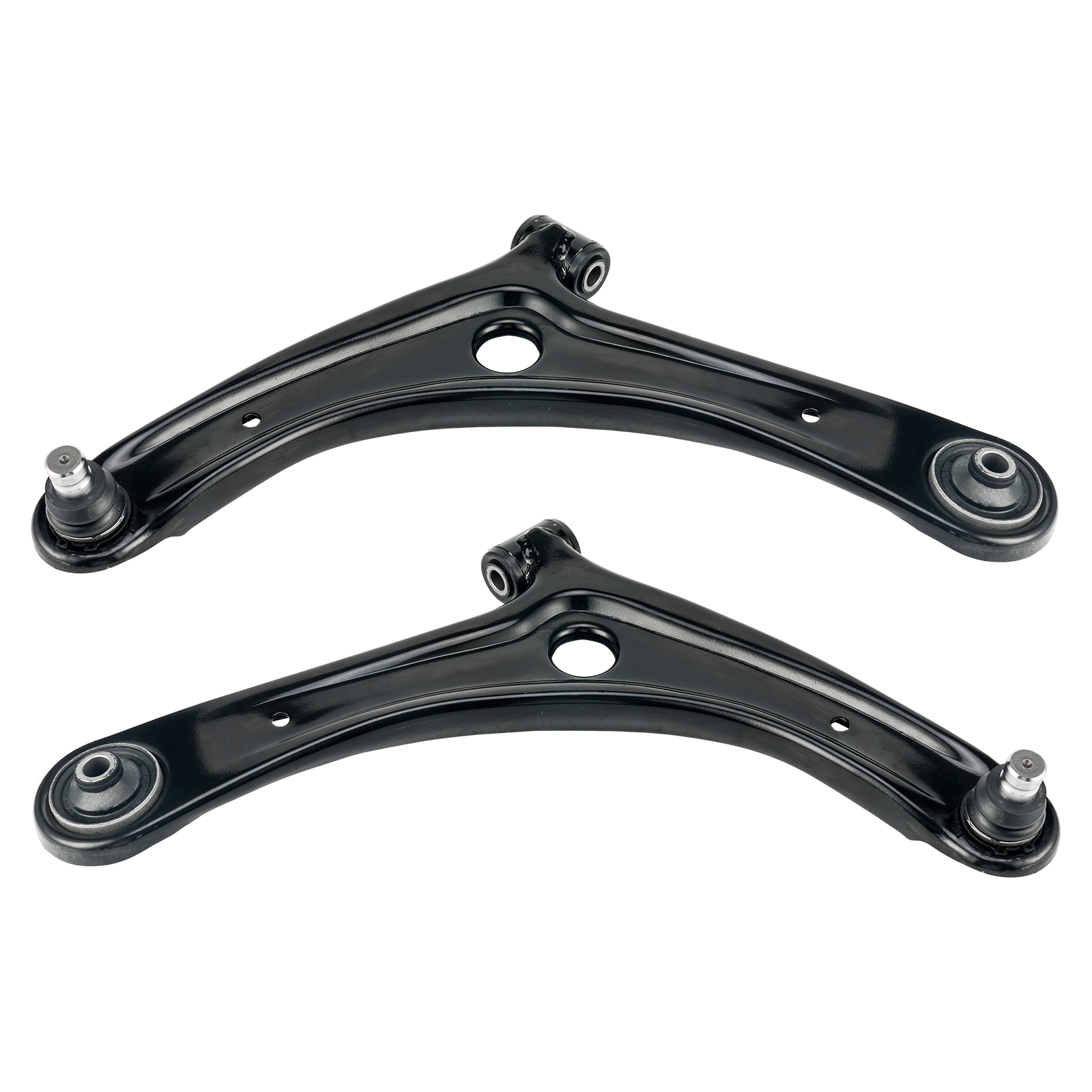
1. Control Arms & Ball Joints: The "Flexible & Wear" Hybrid
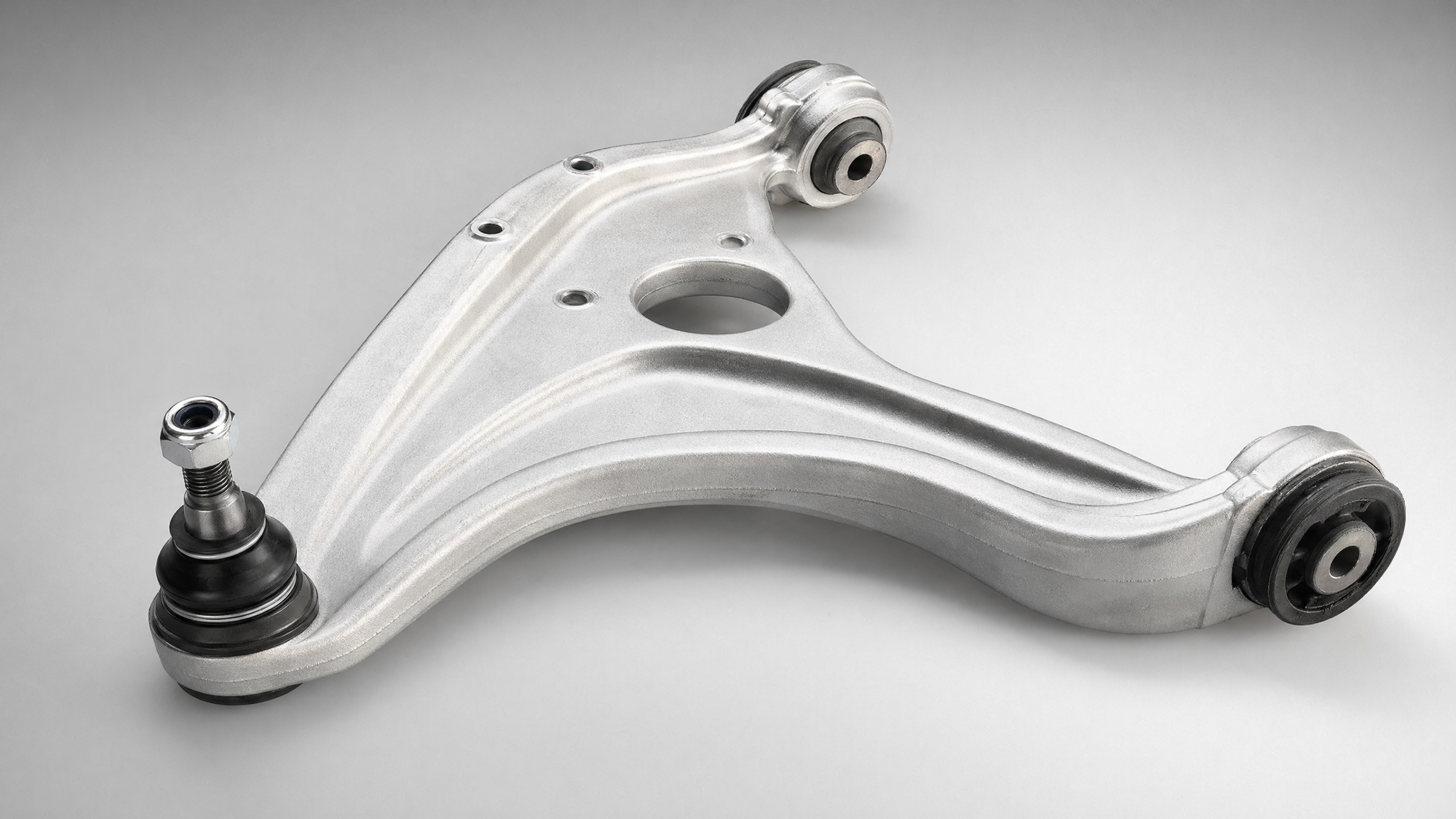
Control arms act as the primary anchors for your suspension, but their reliability depends on two critical sub-components: rubber bushings and ball joints.
- Maintenance Logic (Rubber Bushings): These are flexible rubber parts that fail due to age rather than just mileage. Even on a weekend-only car like a Chevrolet Corvette, rubber dries out and cracks over time.
- Maintenance Logic (Ball Joints): These are consumable wear parts that rely on internal lubrication protected by a rubber boot.
- Pro-Tip: Inspect the rubber boots for cracks or "bleeding" grease. If the boot is torn, road grit will destroy the joint in weeks. Replacing the entire control arm with a pre-installed ball joint is the most efficient, direct-fit solution.
2. Struts & Coil Springs: The "Structural Assembly"
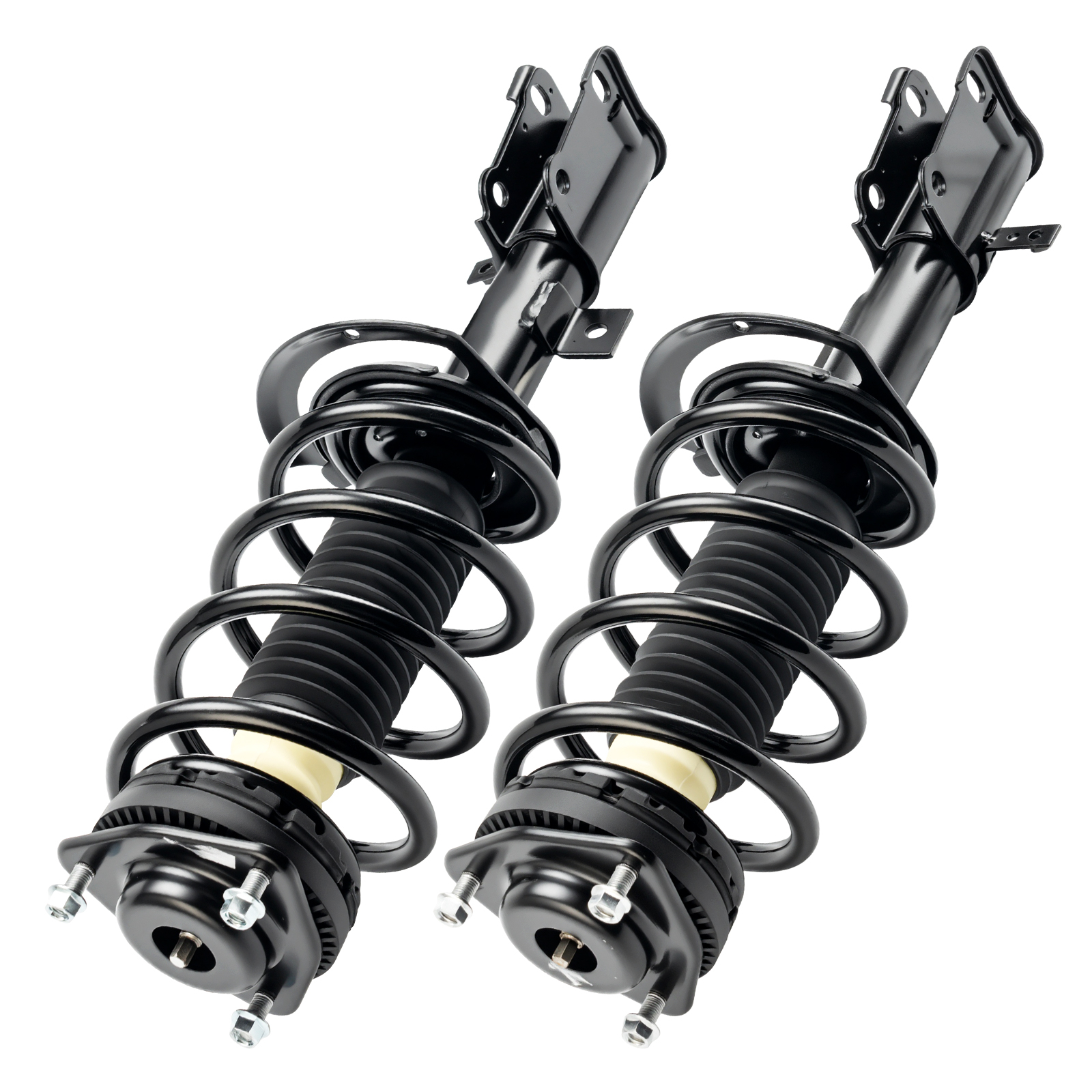
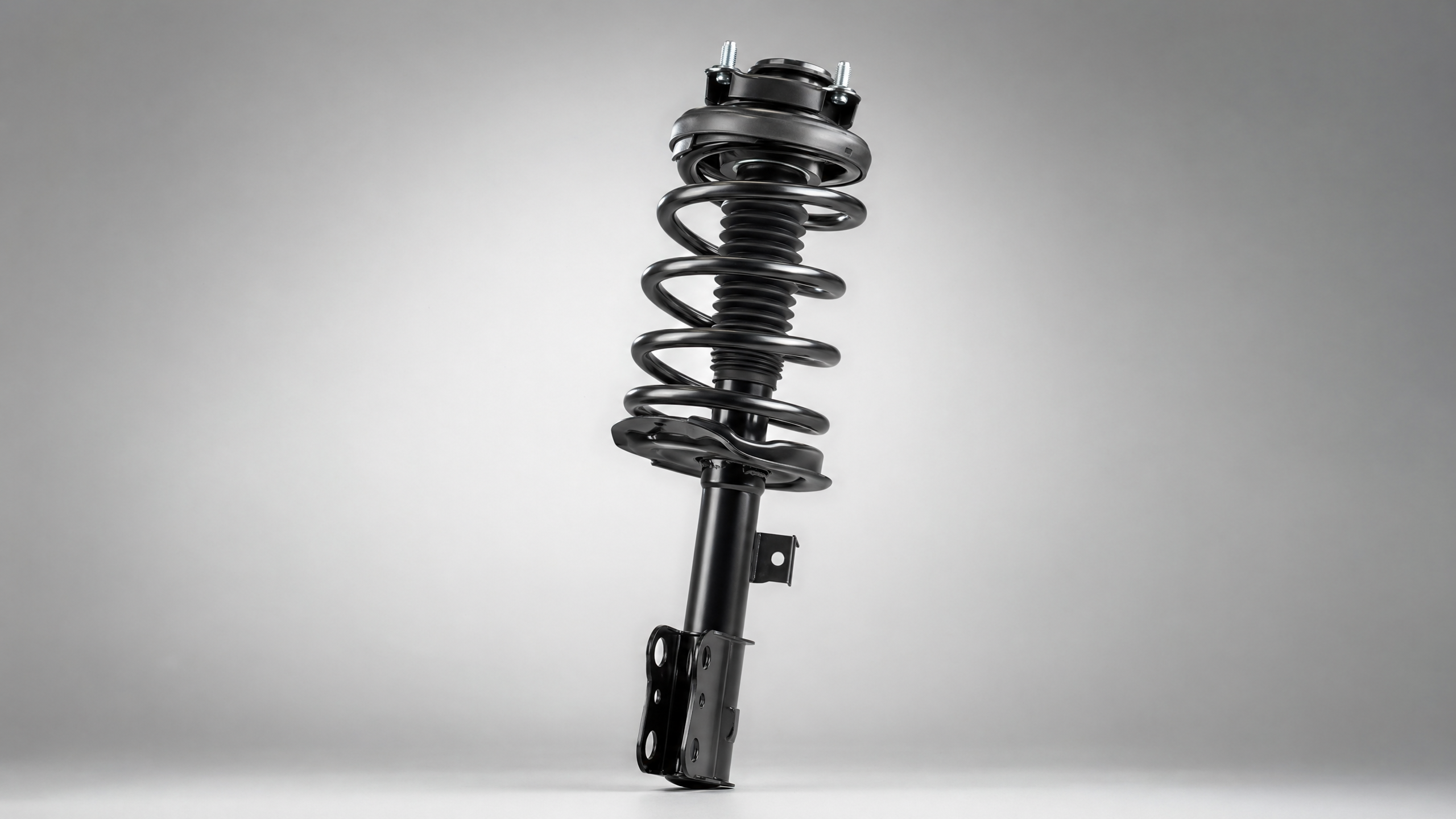
A complete strut is a high-value functional assembly that integrates damping, spring tension, and mounting into one unit.
- Maintenance Logic (Struts): These are fluid and chemical systems. They fail when internal hydraulic oil leaks out or degrades, a common issue for heavy-duty SUVs like the Chevrolet Tahoe.
- Maintenance Logic (Coil Springs): These are pure structural parts. While they rarely "wear out" like brake pads, they can snap due to corrosion or "sag" after years of supporting the vehicle's weight.
- Pro-Tip: Use the Bounce Test. Push down hard on one corner of your car; if it oscillates more than twice, the strut's internal "blood" (fluid) is no longer doing its job.
3. Sway Bars & End Links: Solving the "Noise Makers"
The sway bar is a solid steel bar, but it relies on end links and mounting bushings to keep your car level during cornering.
- Maintenance Logic (End Links): These are high-frequency wear items. Because they take the brunt of every turn, they are often the first to fail on agile sedans like the Honda Civic.
- Maintenance Logic (Mounting Bushings): Like control arm bushings, these are flexible rubber components. When they dry out, they cause a "squeaking" noise that many drivers mistake for a bad strut.
- Pro-Tip: Listen for a rhythmic "clicking" or "clunking" over small bumps. This is the "smoking gun" for a failed end link.
4. Steering Knuckles: The "Hard Structural Hub"
The steering knuckle is the heart of the wheel assembly, where the strut, control arm, and wheel bearing all meet.
- Maintenance Logic: This is a pure structural component designed to last the life of the vehicle.
- Pro-Tip: Knuckles typically only fail due to impact, such as hitting a major pothole or an accident. During any DIY project on a Ram 1500 or Jeep Grand Cherokee, check the mounting holes for "ovalization" or cracks. If the knuckle is bent, it will compromise your alignment regardless of other new parts.
Summary
Achieving a "First-Time-Fit" requires looking beyond the obvious failure. Always inspect the flexible and rubber components—including hangers, bushings, and seals—during your maintenance routine. These parts age even when the car is stationary and are the leading cause of "false diagnostics." Keeping these "neighbor" parts in check ensures you avoid the frustration of recurring noises and premature wear.
Disclaimer: Our Mechanic Advisor provides information for educational purposes only and not as professional automotive advice. DIY repairs involve risks. If unsure, consult a certified mechanic. We guarantee part fitment based on your selected vehicle details, but are not responsible for misdiagnosis or damage resulting from use of this guide.