
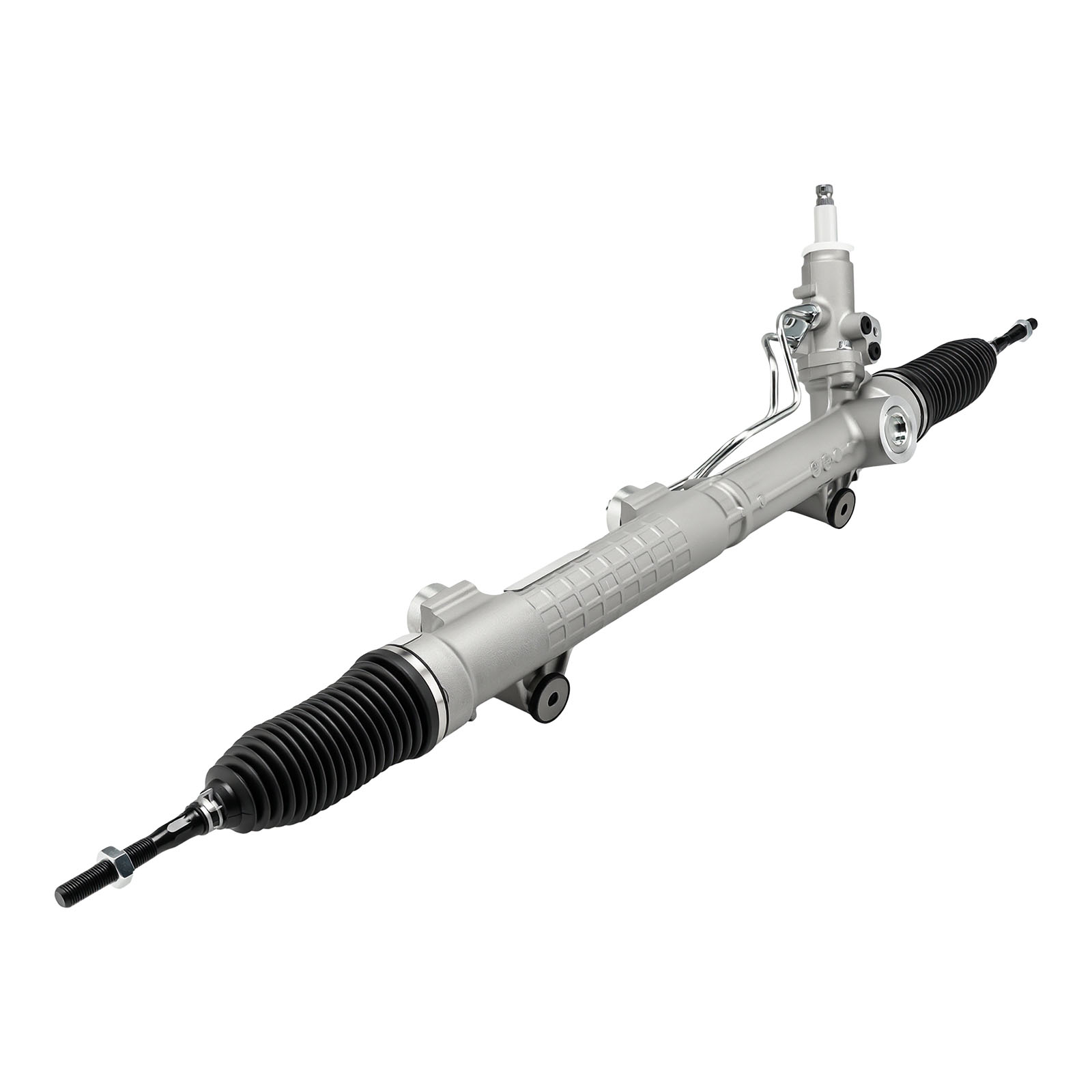
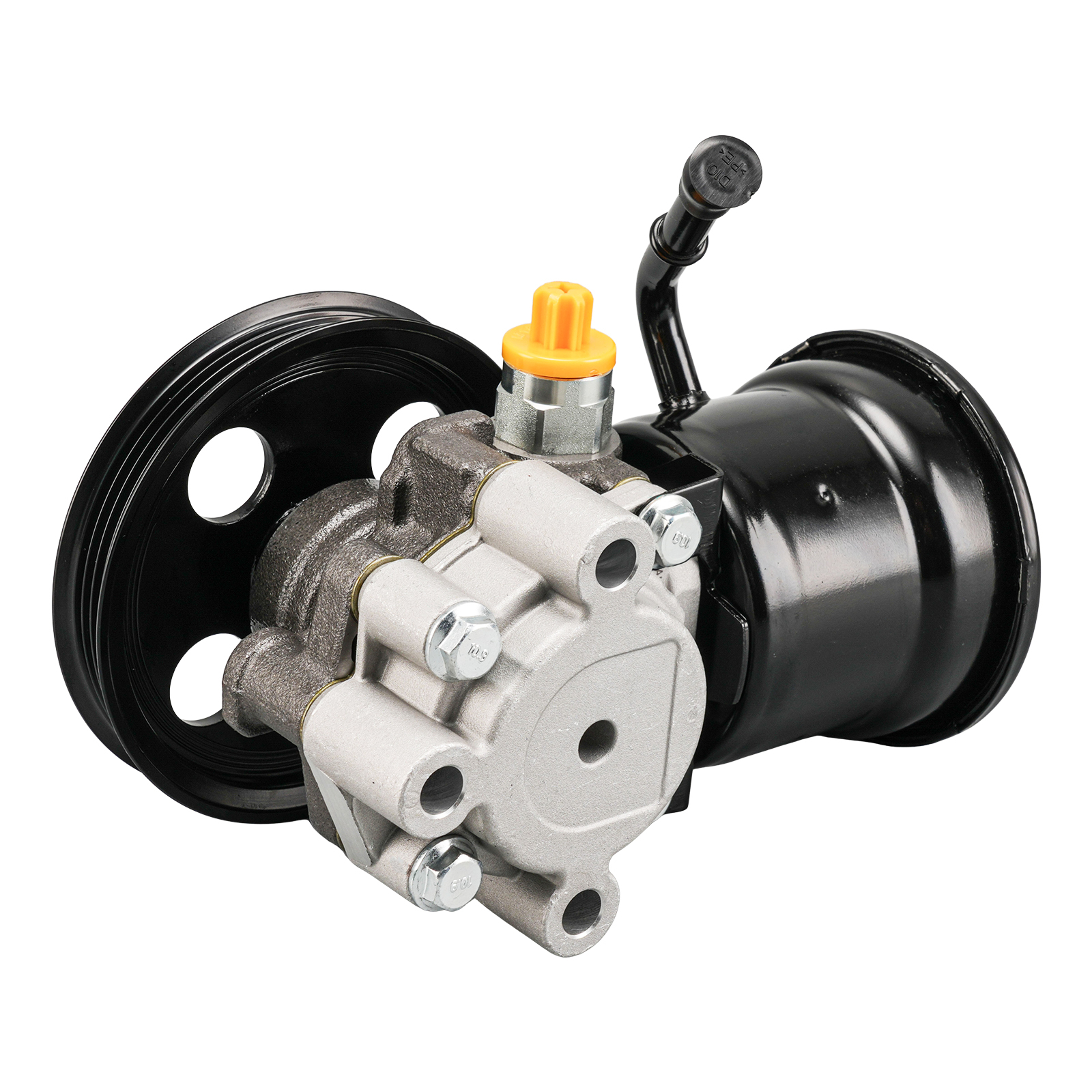
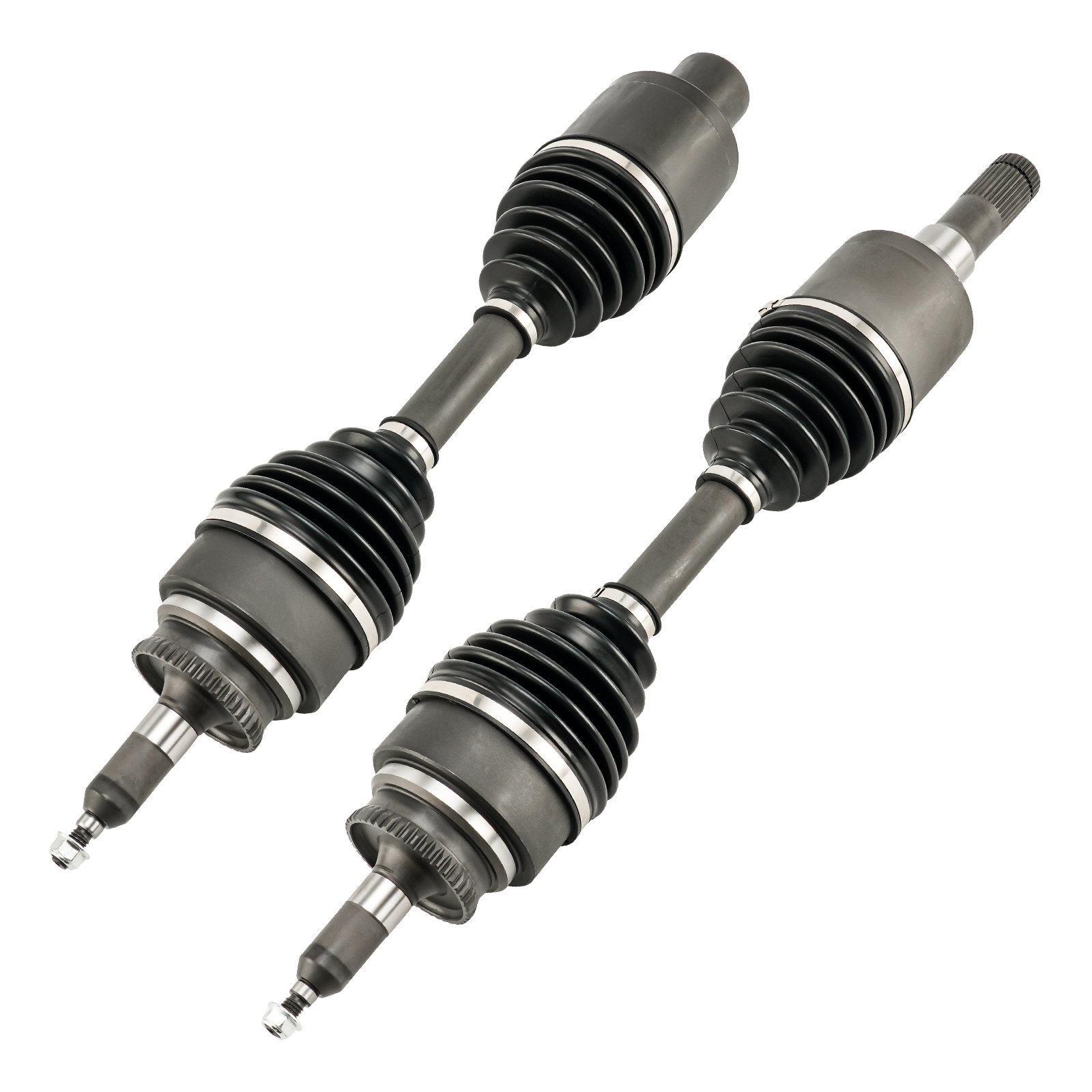



The Smart Driver's Guide to Suspension Repair: High-Performance DIY Without the Shop Markup
If your vehicle is bouncing over every bump, drifting to one side, or sagging in the rear, you are likely facing a $1,200+ repair bill at a traditional mechanic. However, there is a better way to restore your vehicle's handling while keeping your hard-earned money in your pocket. By choosing professional-grade suspension components and performing a DIY replacement, you can achieve expert results right in your driveway.
Here is why a professional DIY approach is the ultimate financial reality check for smart drivers.
1. The Financial Reality Check: Save Up to $900
The biggest secret in the auto industry is the massive markup at repair shops.
- Direct-to-Consumer Pricing: Repair shops often charge 50% to 100% more for parts than the direct online price.
- Keep the Labor Fee: North American labor rates range from $120 to $200 per hour.
- Be Your own Mechanic: By spending a Saturday afternoon in your garage, you are essentially "paying yourself" hundreds of dollars in savings.
- No Hidden Fees: Skip the $100 "diagnostic fee" and the "difficult job surcharges" that shops often tack on to every invoice for older or rusted vehicles.
- Total Impact: A typical DIY suspension project can save you between $500 and $900 compared to a full-service shop.
2. Professional Results, Zero Headache
High-quality suspension parts should provide a complete repair solution, not just a box of components.
- All-in-One Assemblies:
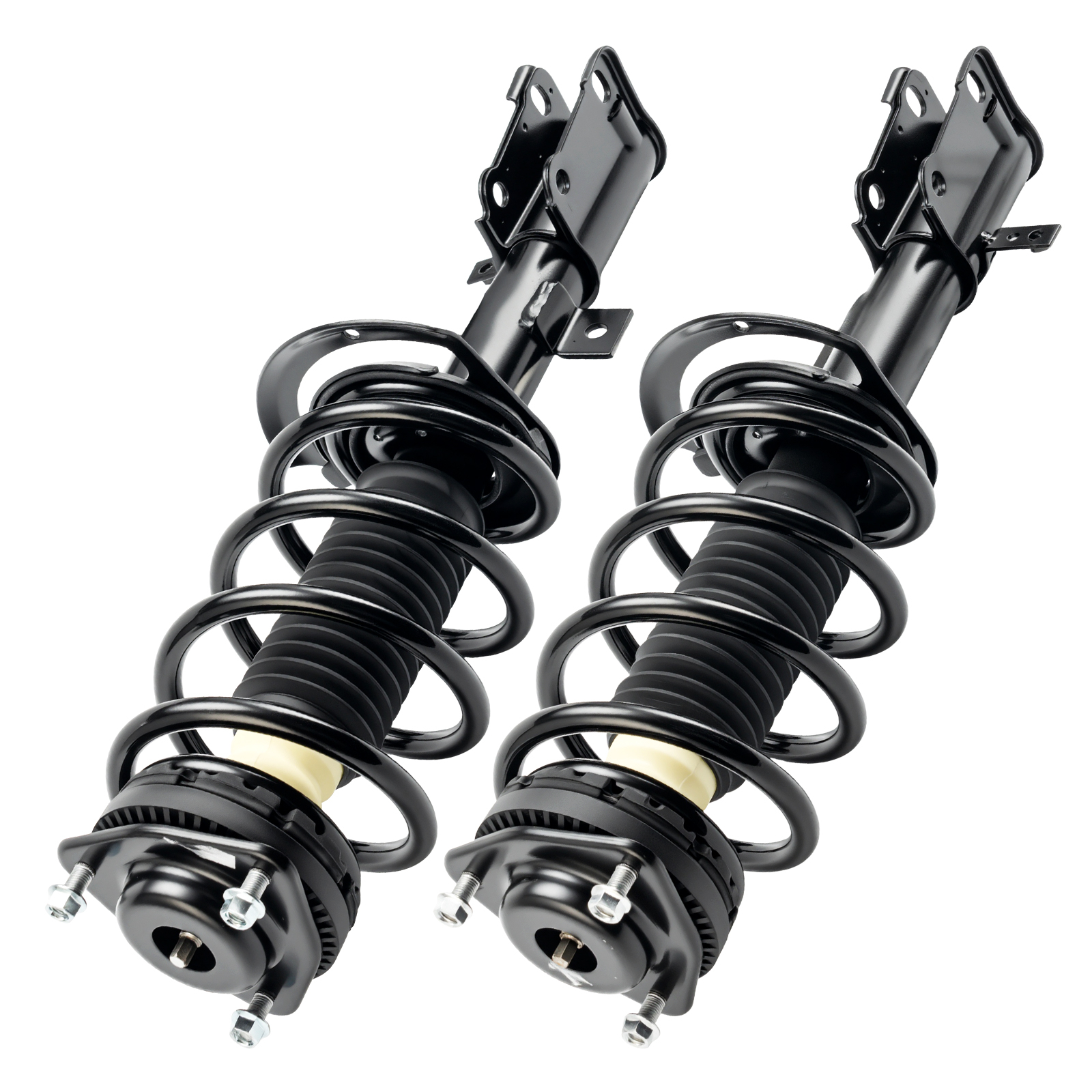
- Complete Struts: These come with the coil spring, mount, and hardware pre-assembled, so you don't need a dangerous spring compressor.
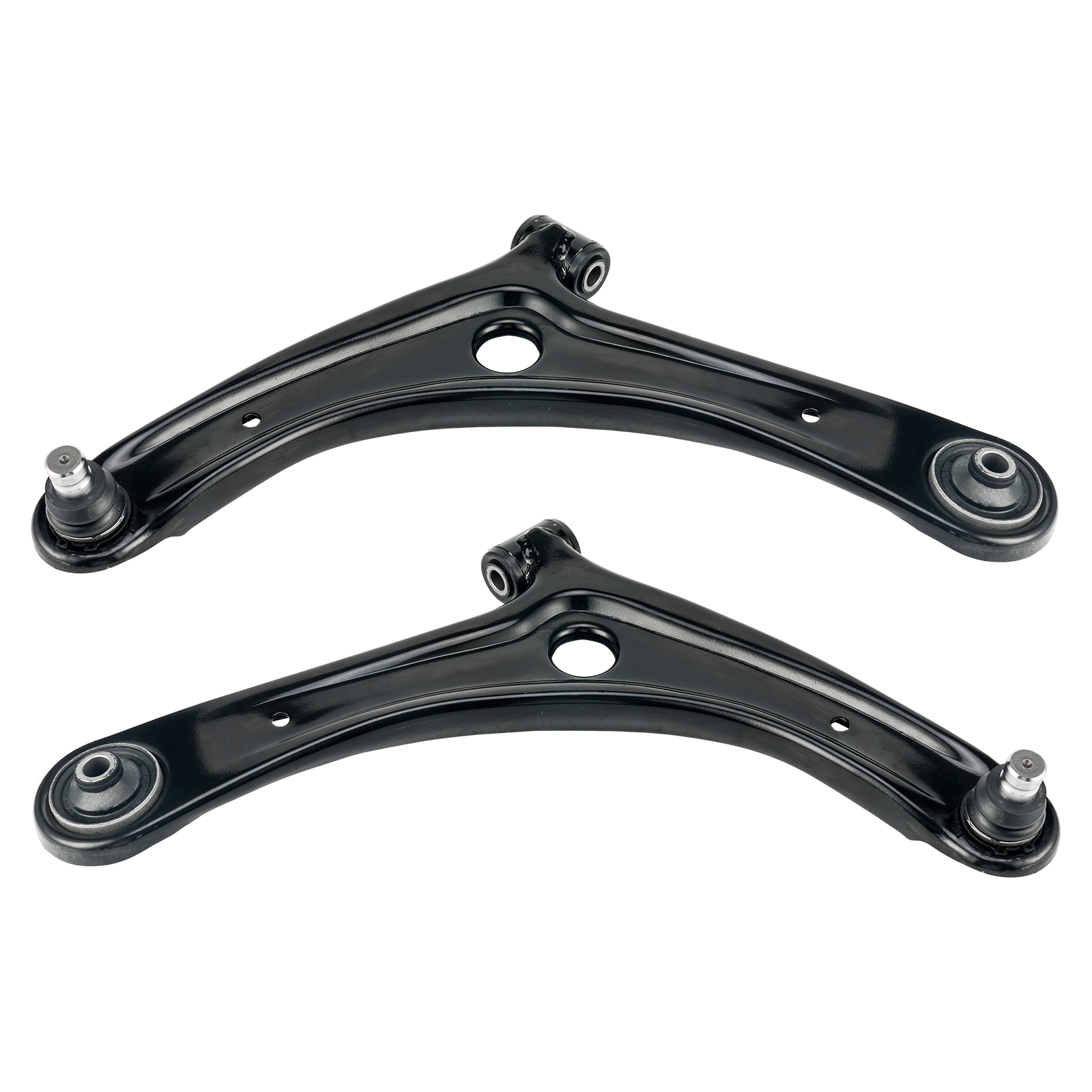
- Control Arms: These feature fully integrated kits with pre-installed high-quality bushings and ball joints, eliminating the need for a hydraulic press.
- First-Time-Fit (100% Accuracy): Precision-engineered parts based on a catalog of over 10,000 SKUs ensure a 100% "direct-fit" experience. This ensures your weekend project isn't ruined by a part that doesn't line up.
- Expert Empowerment: Professional purchases include standardized SOPs and diagnostic guides, giving you the technical authority of a pro mechanic and backing that ordinary retailers cannot match.
3. Avoid the "Cost of Rework": Critical Buying Tips
To ensure 100% accuracy and avoid the frustration of "Cost of Rework"—where a mistake leads to double the labor and parts cost—check these critical points before ordering:
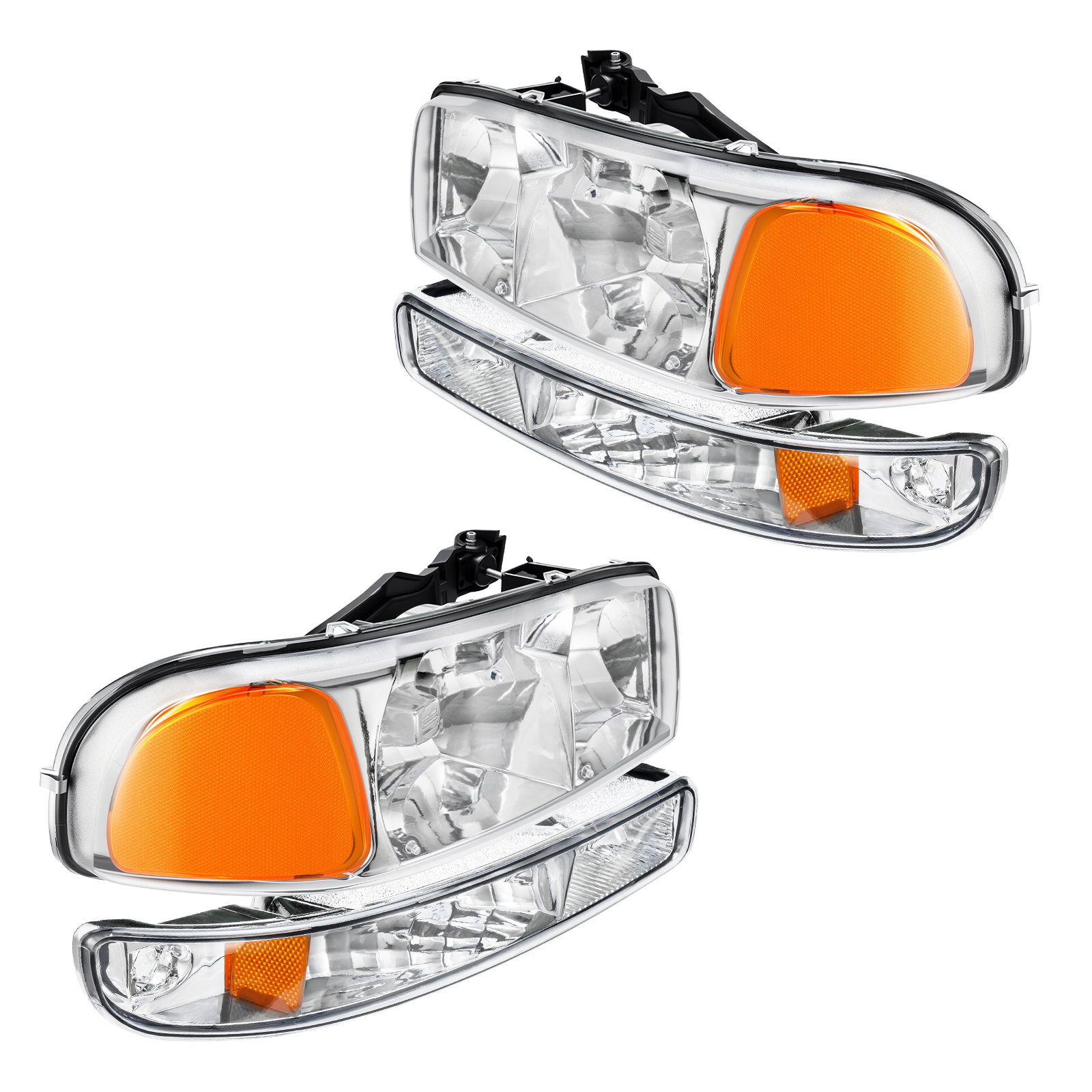
- The Perspective Rule (LH vs. RH): Always determine orientation while sitting in the driver's seat. "Left" (LH) is the Driver Side; "Right" (RH) is the Passenger Side.
- Drivetrain & Material Specifics:
- Front-Wheel Drive (FWD) vs. All-Wheel Drive (AWD) models often use different spring rates, mounting brackets, or control arms.
- Verify if your original part is Aluminum, Cast Iron, or Stamped Steel, as these can vary by trim level or factory location.
- Trim Level & Payload: For trucks and SUVs, check for "Heavy Duty," "Off-Road," or "Tow Packages". These specialized trims often require different valving and spring stiffness than the base model.
Don't let the shop headache win. Use our advanced YMM (Year-Make-Model) system to lock in the right parts today and experience the satisfaction of "Expert Parts, Professional DIY".
Disclaimer: Our Mechanic Advisor provides information for educational purposes only and not as professional automotive advice. DIY repairs involve risks. If unsure, consult a certified mechanic. We guarantee part fitment based on your selected vehicle details, but are not responsible for misdiagnosis or damage resulting from use of this guide.