

Here we know that high-quality parts are only half the battle. If you've successfully installed your new wheel hub or tires and the noise, vibration, or pulling persists, don't panic. You likely haven't "failed" the repair; you've simply uncovered a deeper layer of the vehicle's "systemic health".
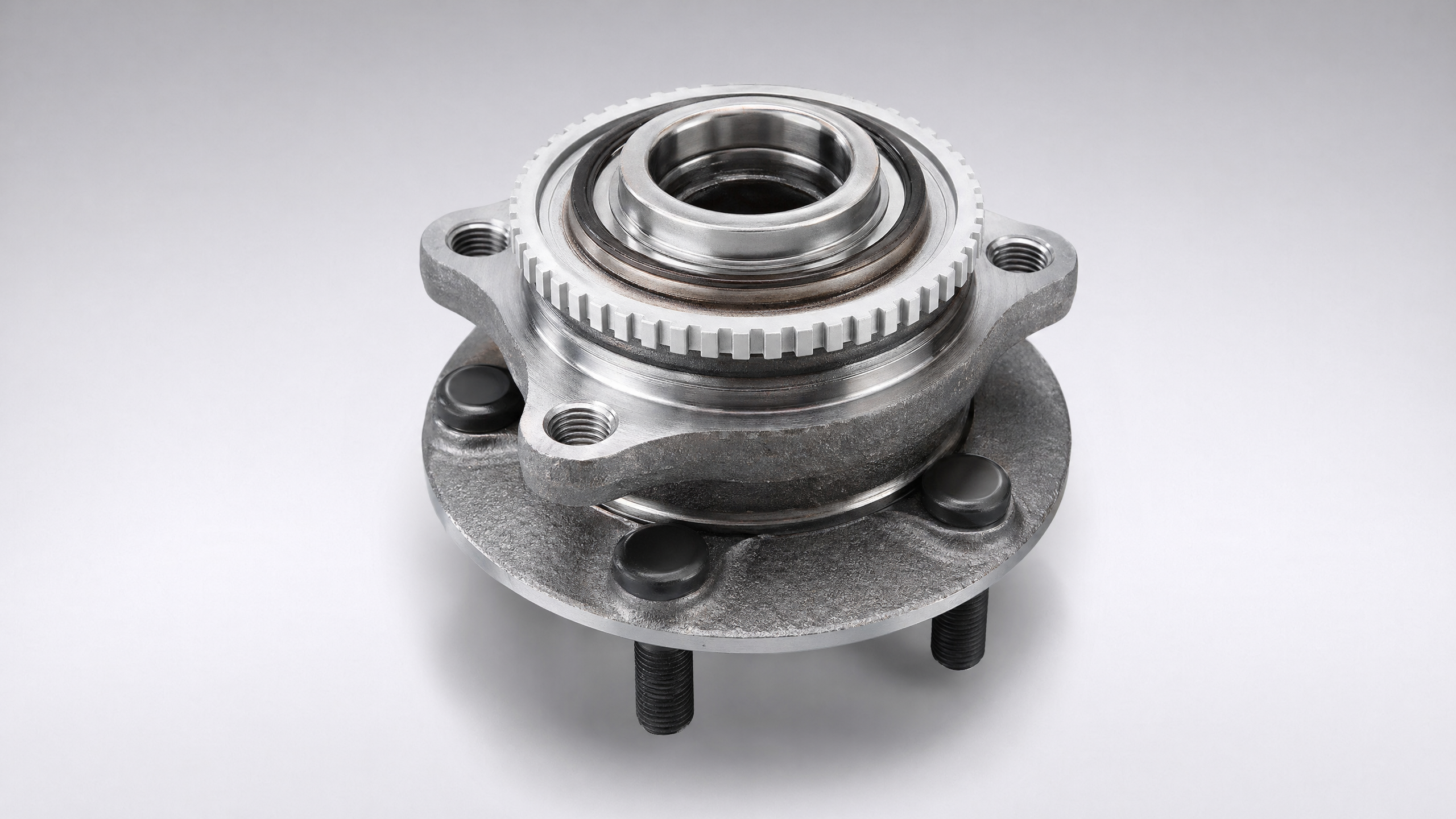
1. Wheel Hub Bearings: Solving the "Ghost in the Machine"
Q: I installed the new hub, but I still hear a humming or growling noise. Did I get a defective part?
- The Reality Check: It is highly unlikely for a new precision bearing to growl immediately.
- Check the Brake Dust Shield: During installation on vehicles like a Chevrolet Silverado, it is very common to accidentally bend this thin metal plate. If it touches the rotor, it creates a metallic scraping or humming sound that perfectly mimics a bad bearing.
- The "Other Side" Logic: Noise travels through the chassis, and a common DIY trap is misdiagnosing which side is bad. If you replaced the Left hub on your Honda Civic and the noise remains, the Right hub (which took the same mileage and impact) is almost certainly the true culprit.
Q: The ABS/Traction Control light came on after the install. What went wrong?
- The Debris Factor: Did you use a Wire Brush to clean the knuckle bore? If rust or metallic shavings fell onto the magnetic sensor ring during installation, the signal will be blocked.
- The Air Gap Issue: If the mounting bolts weren't torqued to spec in a Star Pattern, the hub might be sitting at a micro-angle. This creates an uneven "air gap" between the sensor and the ring, triggering a fault code.
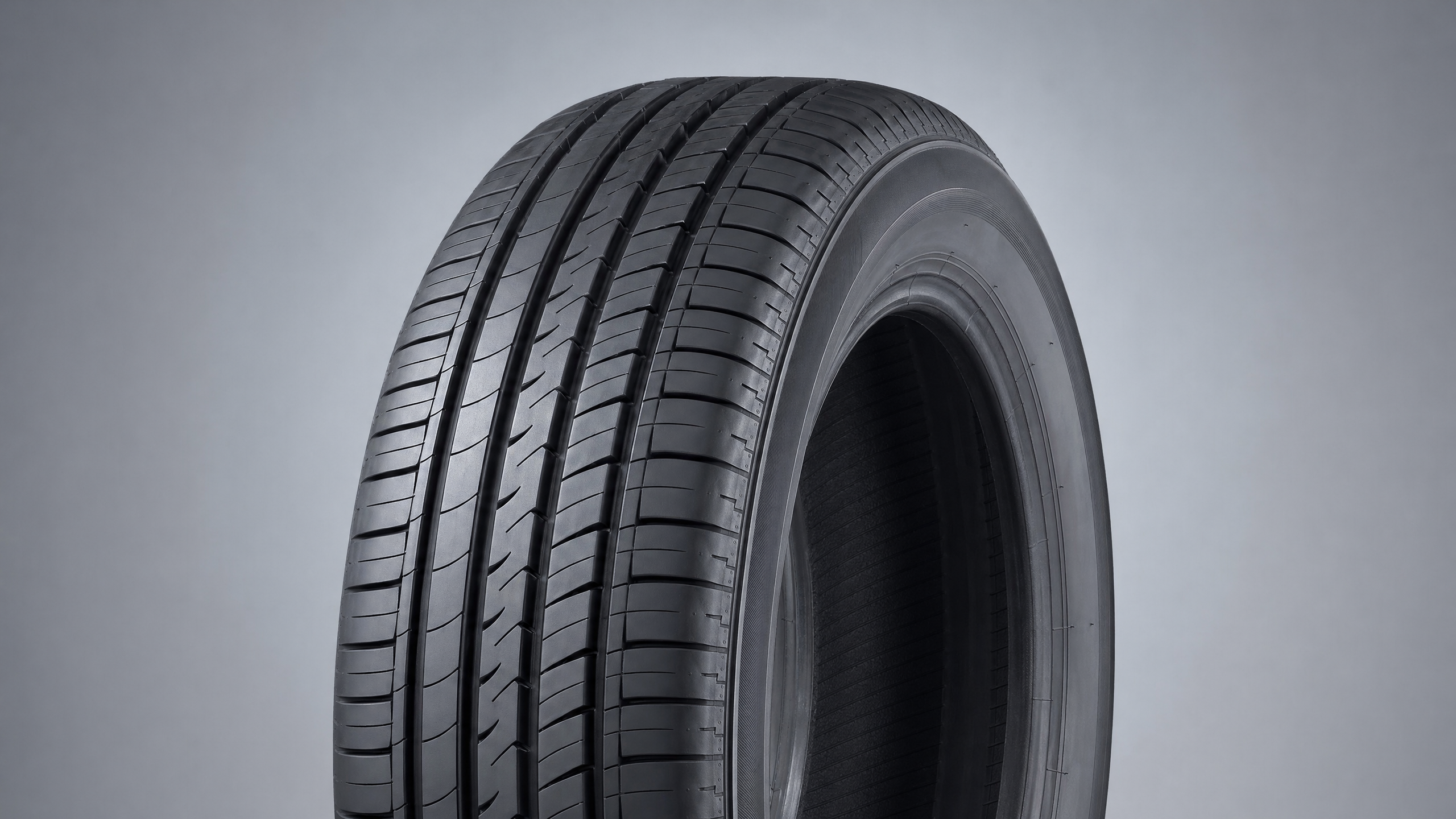
2. Tires: Tracking Down Hidden Vibrations
Q: My new tires are on, but the car still vibrates at highway speeds. Why?
- The Mating Surface: A tire is only as smooth as the surface it bolts to. If you didn't clean the corrosion off the wheel hub flange with a Wire Brush, the wheel is "cocked" by a fraction of a millimeter. This creates a high-speed wobble in SUVs like a Jeep Grand Cherokee that feels like an unbalanced tire.
- The Flat Spot Trap: If your vehicle sat on the new tires for several days without moving before your test drive, you might be feeling "temporary flat-spotting". This usually disappears after 15 minutes of driving as the rubber warms up.
Q: The vehicle still pulls to one side even with brand-new tires. Is the tire "conical"?
- The Brake Drag Test: A common reason a "tire pull" persists is a seized brake caliper. If one side is dragging, the car will pull that way regardless of how new the rubber is. After a drive, carefully touch the rim—if one is significantly hotter than the other, your problem is the brakes, not the tires.
- The Radial Pull Test: Swap the two front tires (Left to Right). If the pull changes direction, it's a tire issue; if the pull stays on the same side, your Wheel Alignment (Camber/Caster) is the root cause and must be professionally adjusted.
Summary: The "Systemic" Mindset
If the new part didn't fix the noise, it means the "environment" is still sick.
- Hub Bearings are often victims of Heat (Brakes) and Rust (Knuckle).
- Tires are frequently victims of Geometry (Alignment) and Friction (Calipers).
Still stuck? Send our technical team a video of the sound or a photo of your dashboard codes, and we will help you pinpoint the hidden "poison" in your chassis!