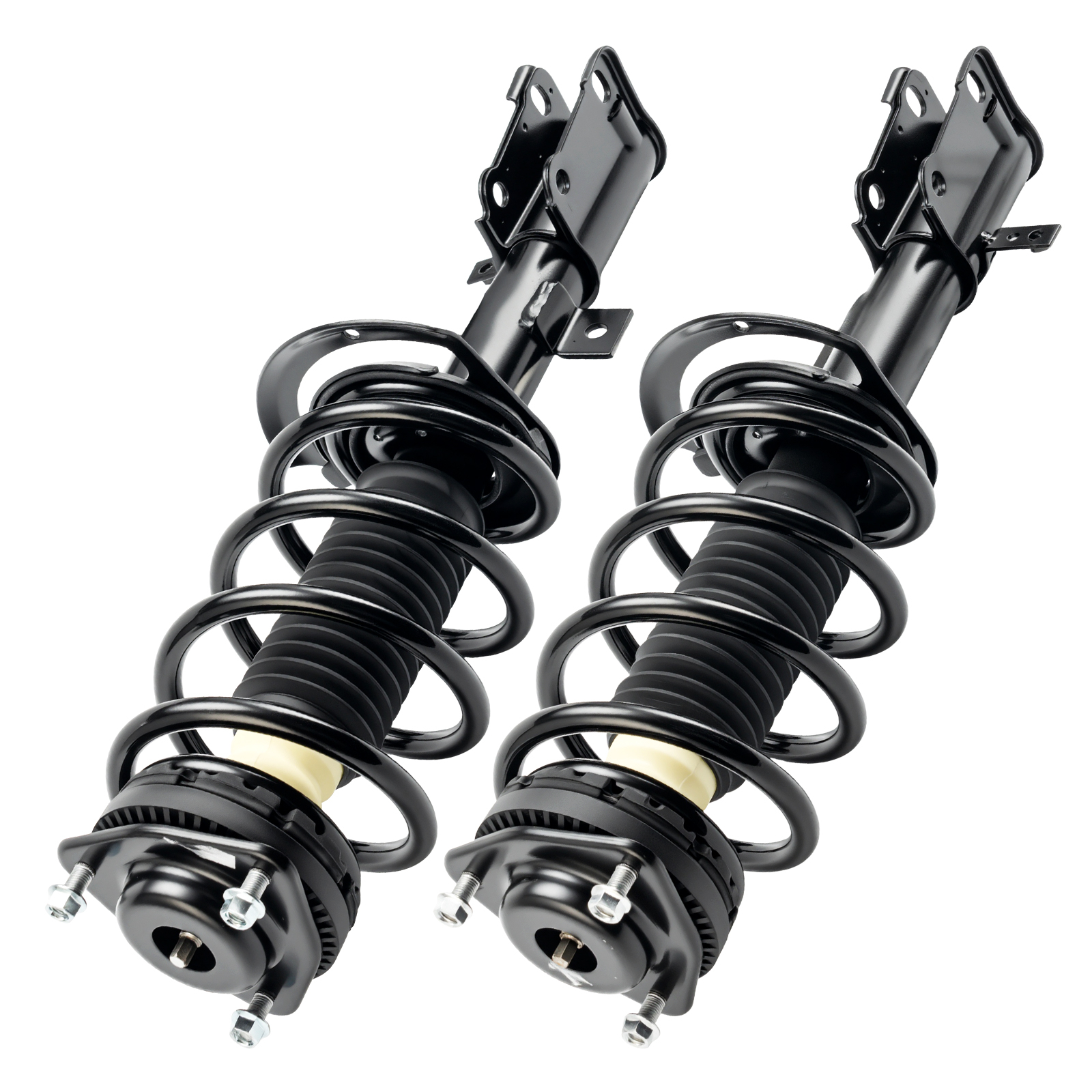
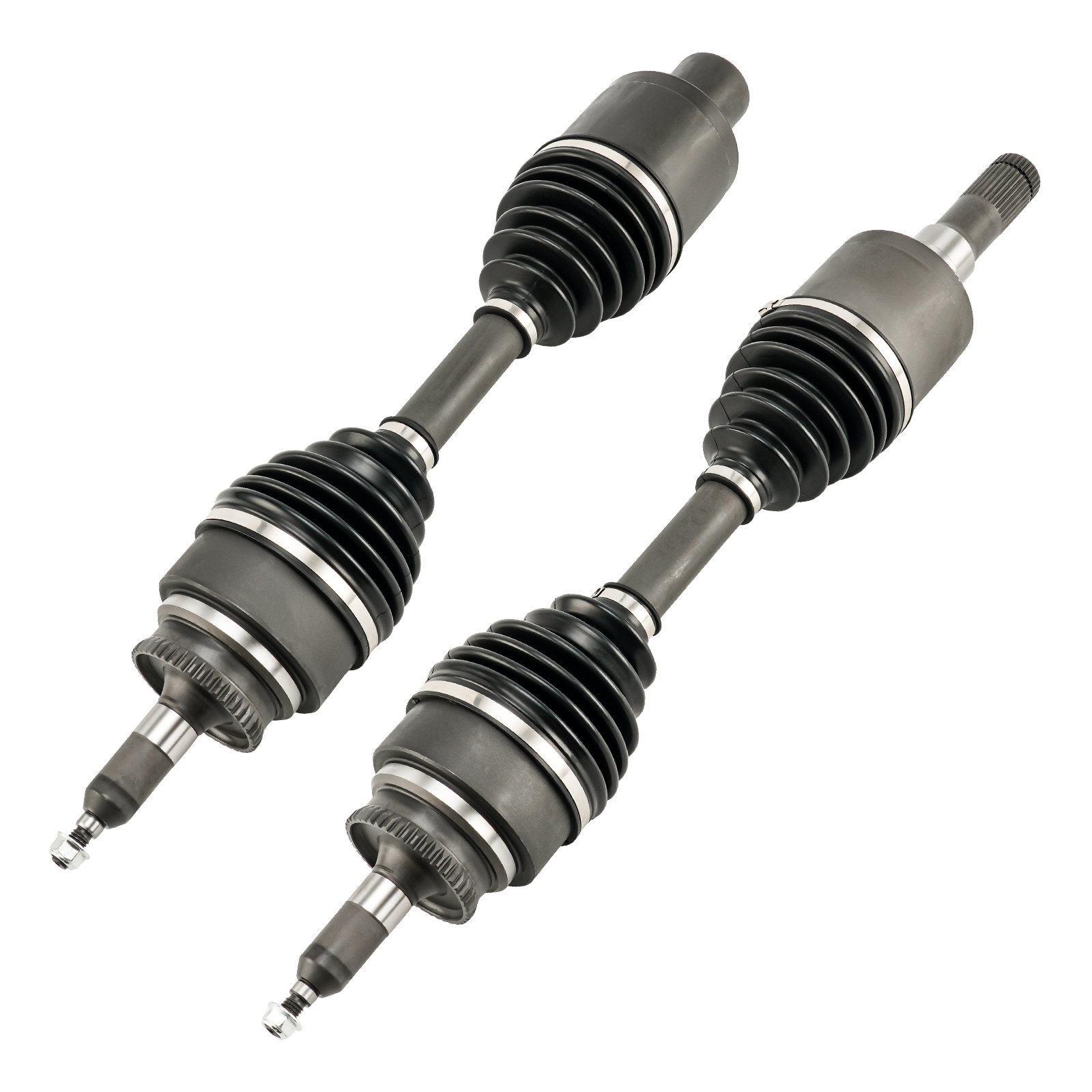
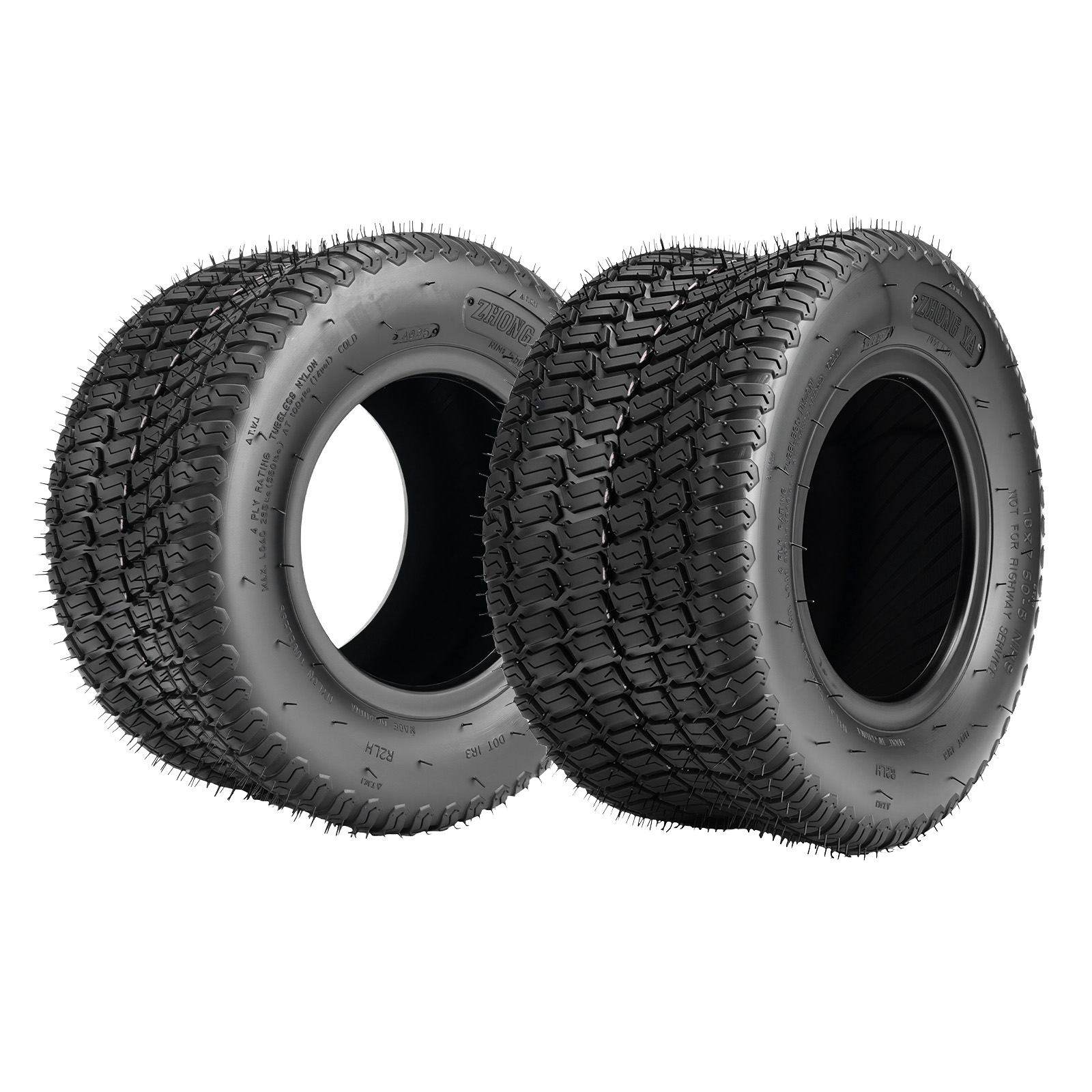



Stop Overpaying for Repairs: The Financial Logic of DIY Tires and Wheel Hubs
A worn-out tire or a growling wheel bearing is more than just a nuisance—it is a silent drain on your wallet and a critical risk to your safety. While most drivers instinctively head to a local repair shop, a "Financial Reality Check" reveals that sourcing parts directly and handling the installation yourself is a superior economic move.
By transitioning to a DIY mindset, you can effectively bypass the steep premiums of the traditional repair industry.
1. Eliminating the "Shop Markup"
When you visit a physical repair shop for your Ford F-150 or Honda CR-V, you aren't just paying for the hardware; you are subsidizing their commercial overhead.
- Direct-to-Consumer Pricing: Local shops typically charge 50% to 100% more for tires and wheel hubs than our direct online pricing.
- The Diagnostic Toll: You can avoid the $100 entry fee that shops often charge just to put your vehicle on a lift and confirm a problem you've already identified.
- Hidden Fees: Buying your own parts protects you from "difficulty fees" frequently added for rusted components on older SUVs and trucks.
2. Your Labor as a Tax-Free Savings Account
In North America, professional labor rates have reached all-time highs.
- Hourly Rates: Average shop labor for a wheel hub or tire service ranges from $120 to $200 per hour.
- Earn While You Work: By spending a Saturday morning in your driveway working on your Toyota Camry or Chevrolet Silverado, you effectively "earn" that labor fee back into your own pocket.
- Total Financial Impact: Between part markups and labor savings, a single DIY project can save you between $500 and $900.
3. The Professional Edge for the DIYer
Choosing a top brand isn't just about the lowest price; it's about a value proposition and technical backing that generic retailers cannot match.
- First-Time-Fit Engineering: Our components are designed for a precise Direct-Fit based on a database of over 10,000 SKUs.
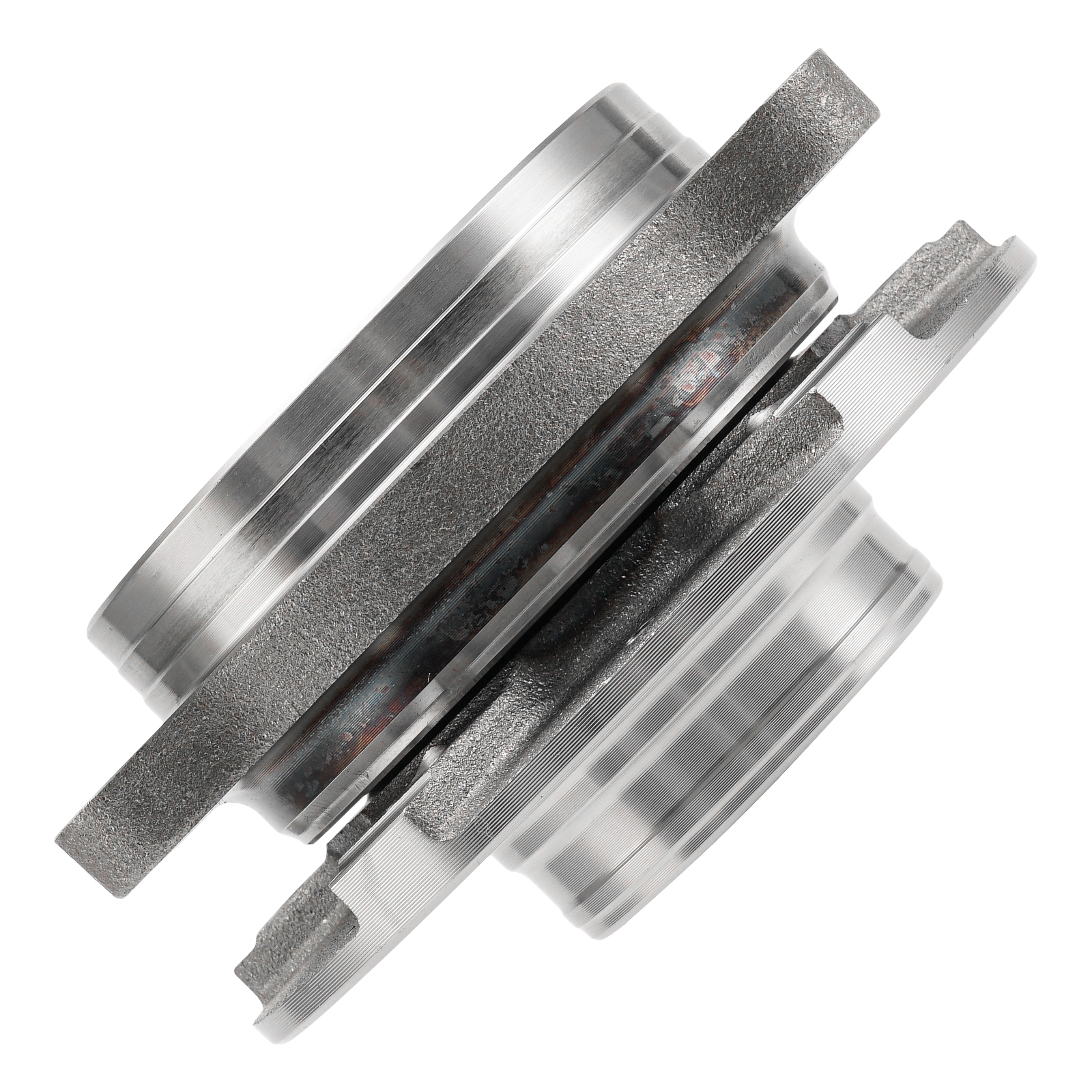
- All-in-One Kits: Our wheel hubs often include mandatory renewal hardware, such as new Axle Nuts and Mounting Bolts, saving you unnecessary trips to the local parts store.
- Technical Empowerment: Every purchase grants access to standardized SOPs and Diagnostic Guides, providing the "Expert Backing" needed to handle the job like a pro.
Critical "Pitfall" Guide: How to Avoid Buying Errors
Even after confirming your Year-Make-Model (YMM), certain technical specifications are frequently overlooked, leading to costly "rework" and downtime. Verify these critical risk points before checkout to ensure 100% Accuracy:
For Tires:
- Load Index & Speed Rating: A tire must match or exceed your vehicle's factory requirements. Using a lower-rated tire can lead to internal heat damage and catastrophic failure.
- Tread Directionality: Much like identifying Left (LH) vs. Right (RH) components, check if the tire has a Directional Tread Pattern. Installing these backward significantly reduces wet-weather traction.
- TPMS Compatibility: Ensure your choice is compatible with your specific Tire Pressure Monitoring System sensors to avoid persistent dashboard warning lights.
For Wheel Hubs:
- ABS Configuration (The Sensor Trap): Confirm if your hub has an integrated ABS sensor or if the sensor is mounted separately on the knuckle.
- Drivetrain Specifics (2WD vs. 4WD): Hubs for 4WD vehicles must allow the CV axle to pass through the center, whereas 2WD hubs are often solid. Mixing these up will halt your repair immediately.
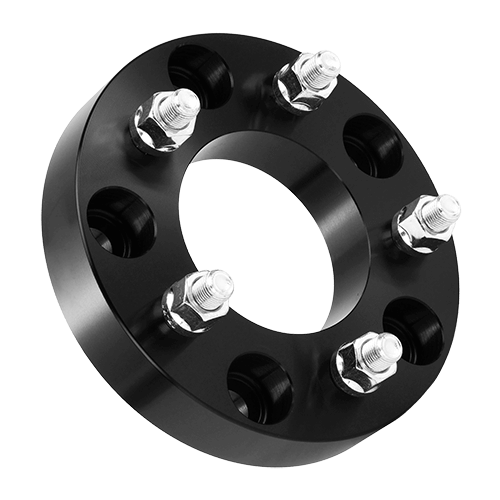
- Lug Bolt Pattern: You must verify the number of lug studs (e.g., 5-lug vs. 6-lug) and the Bolt Circle Diameter (BCD) to ensure your wheels will bolt back onto the new hub.
The Cost of a Mistake
Ordering the wrong specification doesn't just waste your weekend; it results in double labor and double shipping costs, leaving your vehicle stuck on jack stands. We strongly recommend verifying your YMM to lock in the exact factory-shipped configuration for your specific build.
Disclaimer: Our Mechanic Advisor provides information for educational purposes only and not as professional automotive advice. DIY repairs involve risks. If unsure, consult a certified mechanic. We guarantee part fitment based on your selected vehicle details, but are not responsible for misdiagnosis or damage resulting from use of this guide.