

Cooling System Maintenance Guide: Extend Engine Life & Prevent Overheating
To keep an engine running at the perfect temperature, maintenance must move beyond "part names" and focus on how each component actually fails. By categorizing parts into five dimensions, you can predict exactly when and why a failure will occur on your 2014 Toyota Camry or 2010 Honda Civic.
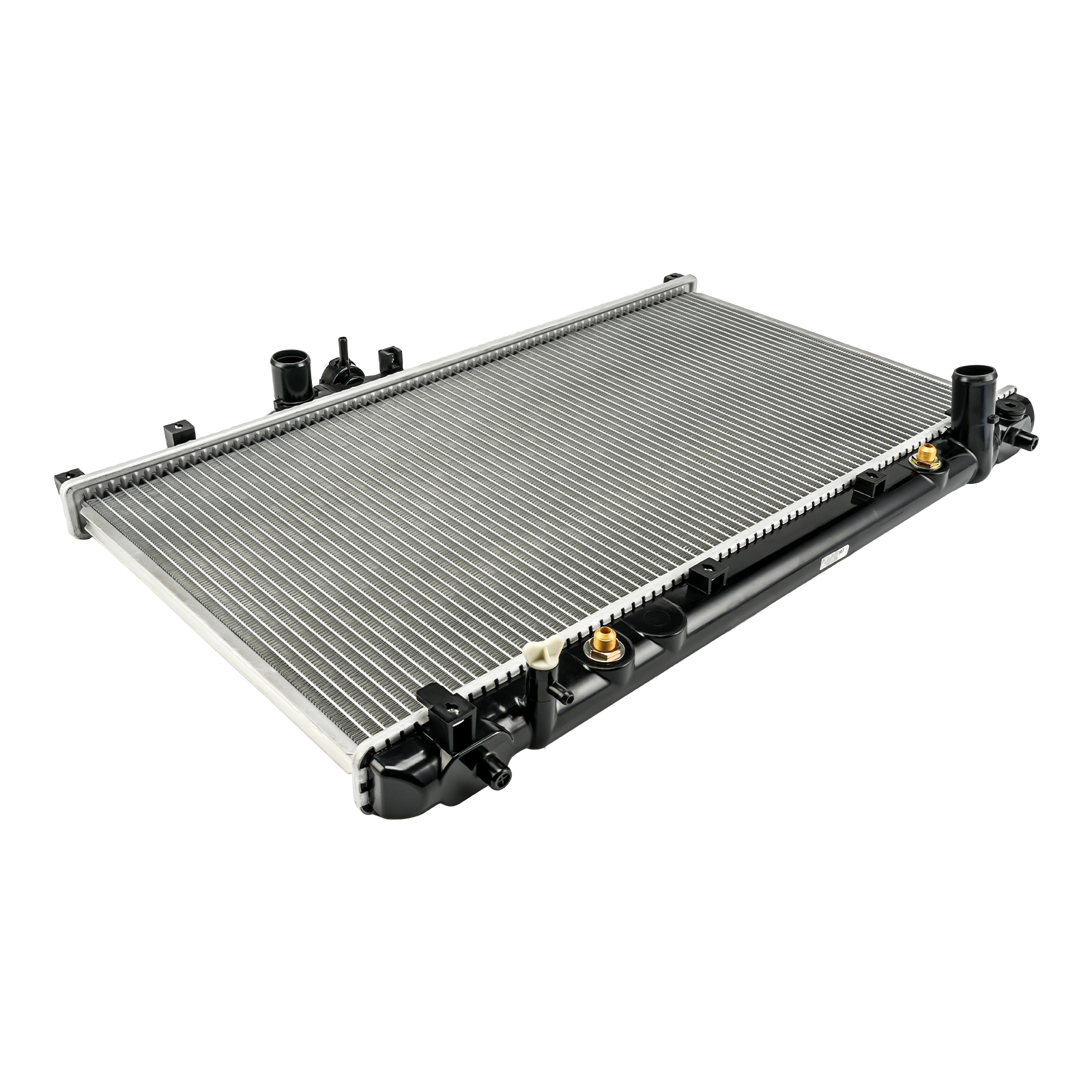
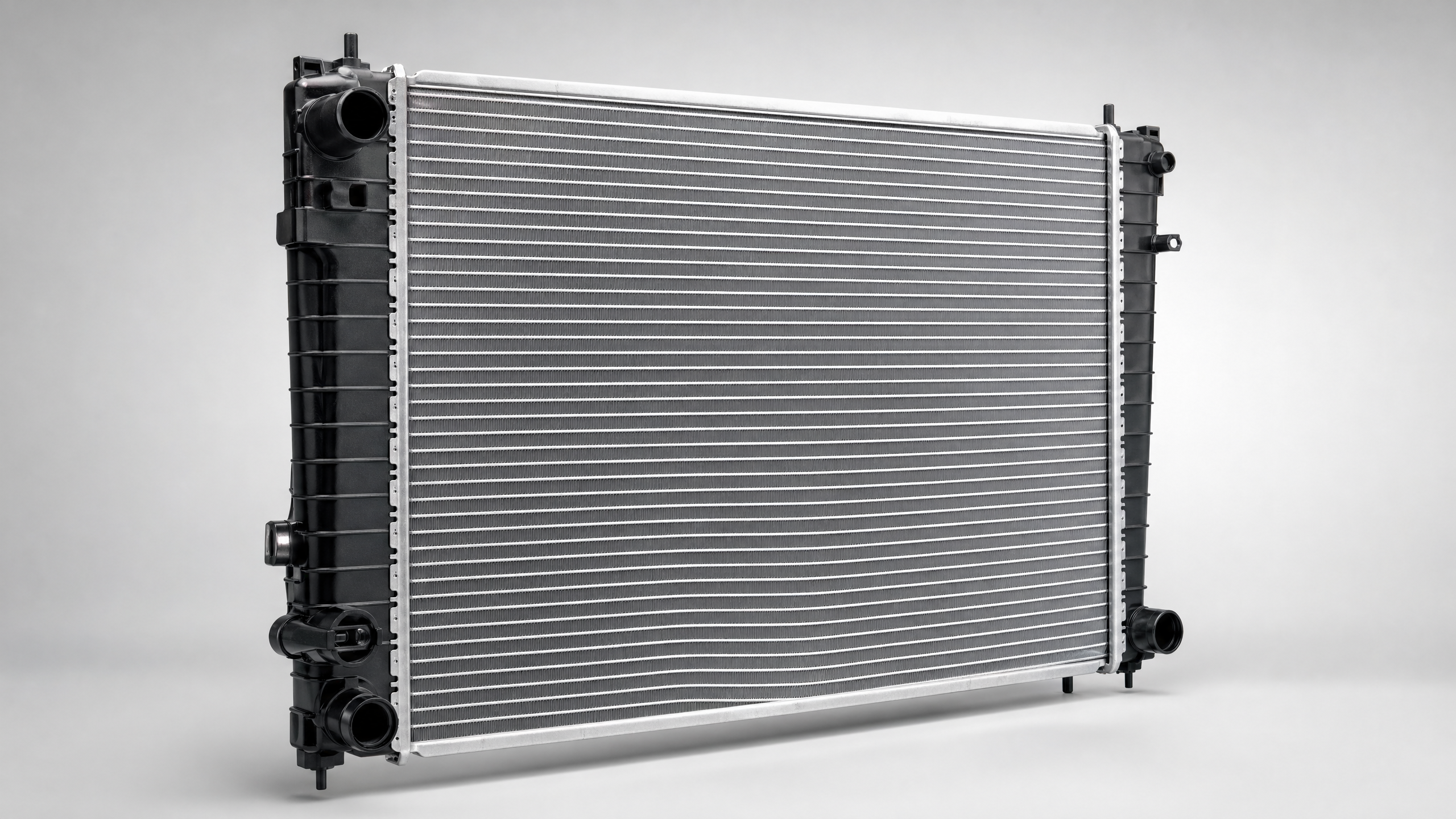
1. The Radiator: The Main Structural Assembly
The radiator is a complex mechanical device that functions as a static structure with a dynamic purpose.
- Maintenance Logic: Focus on structural integrity and preventing internal "clogging".
- Key Diagnosis: Visually inspect for bent fins or debris blocking the airflow.
- The Hidden Link: The Radiator Cap is a separate "Flexible & Rubber" component. Because its seal ages over time, it must be replaced based on years of service, regardless of how many miles are on your Honda Accord.
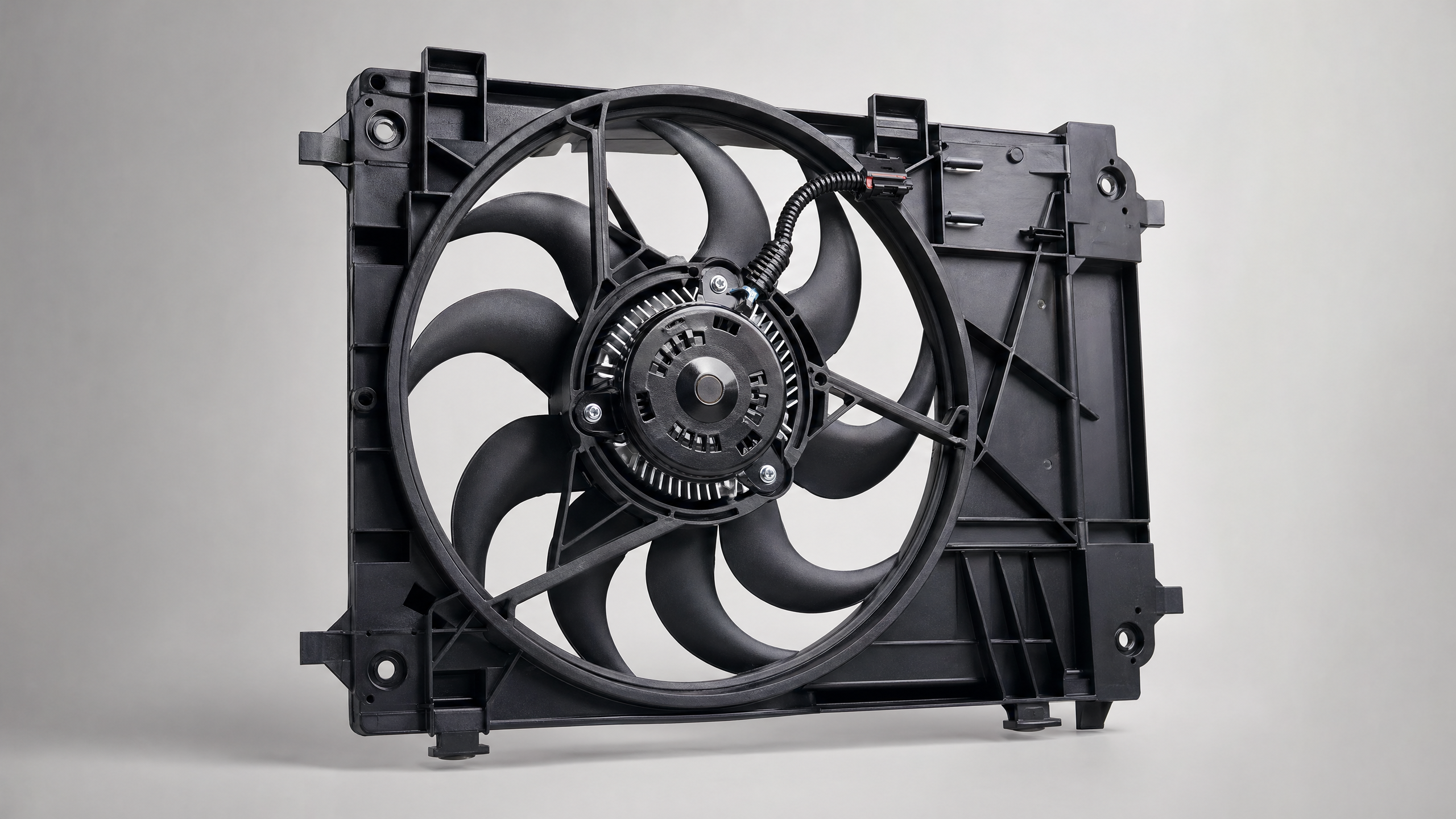
2. The Radiator Fan: The System’s "Senses"
The fan relies on voltage and current to react to engine heat.
- Maintenance Logic: Watch for performance decay or fault codes rather than fixed mileage.
- Key Diagnosis: Monitor OBD data streams and check for melted connectors or burnt pins.
- Expert Insight: Many "overheating" issues on a Chevy Silverado are actually "ghost failures" caused by a sticky relay rather than a dead motor.
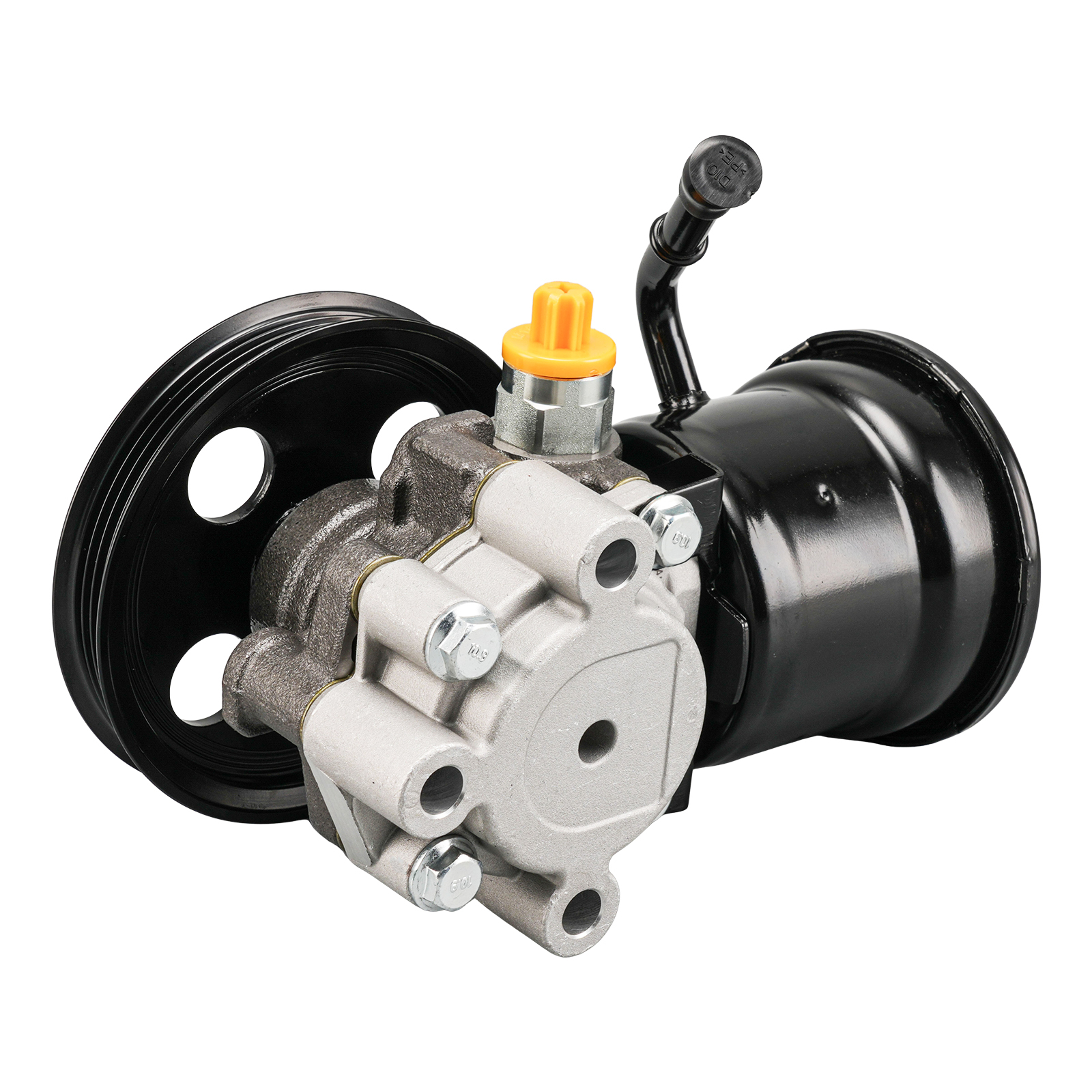
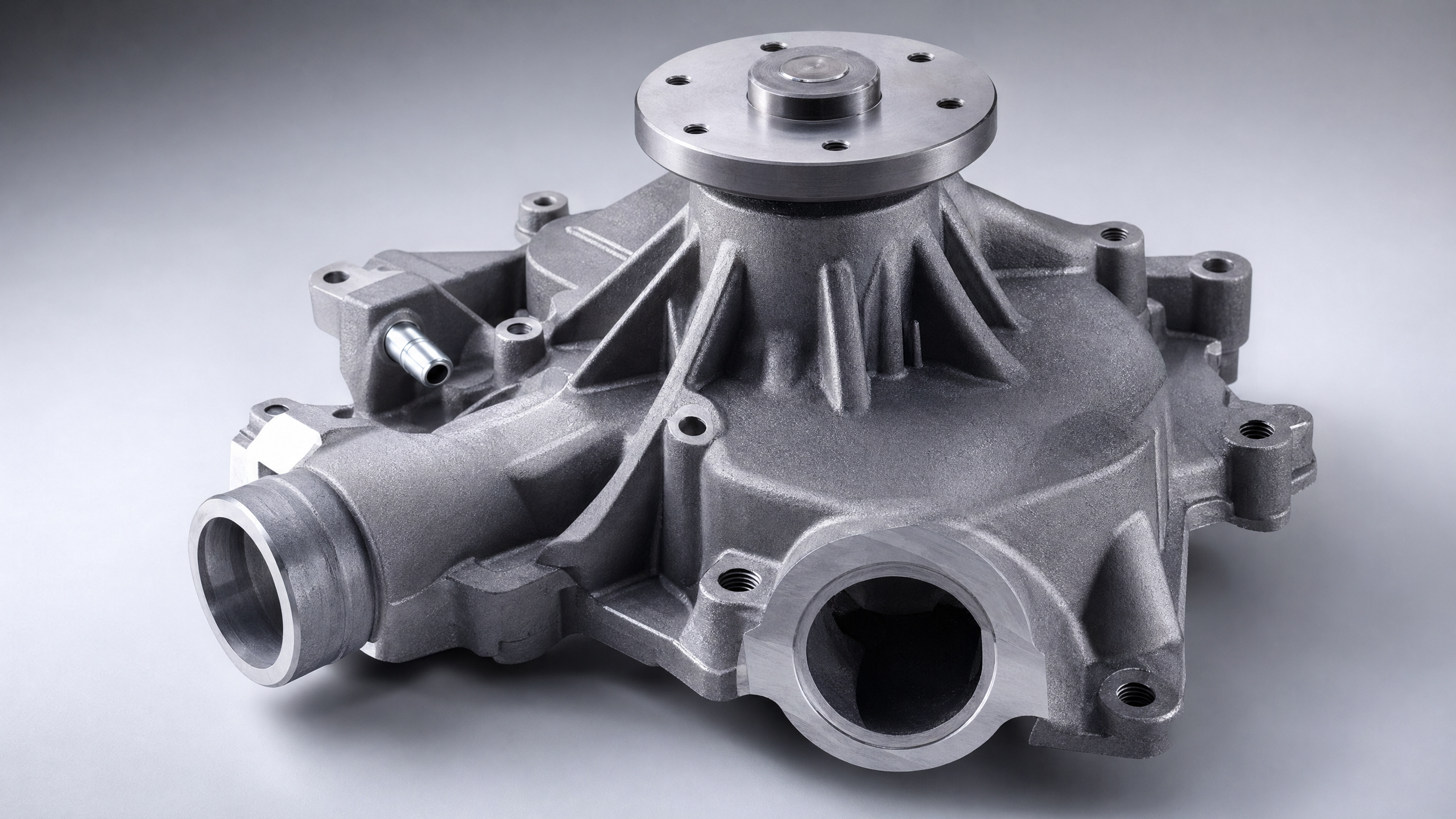
3. The Water Pump: A Hybrid Component
The water pump is a "composite" part with multiple failure points.
- The Internal Bearing (Consumable): This part’s life is defined 100% by mileage; the more it spins, the more it wears down.
- The Internal Seal (Flexible & Rubber): This part’s life is defined by time. Even if a vehicle like a Jeep Grand Cherokee sits parked, the rubber can become brittle.
- Key Diagnosis: Listen for a "grinding" sound (bearing wear) or look for wetness at the "weep hole" (seal failure).
Key Summary for Owners
- Mileage-Based: Replace your water pump along with your timing belt service to maximize labor efficiency.
- Time-Based: Replace rubber hoses and pressure caps every 5 years on your Ford Explorer to prevent sudden bursts.
- Condition-Based: Flush your cooling fluids whenever the color degrades to prevent "poisoning" the rest of the system.
Understanding the "why" behind part failure ensures a first-time fix for every repair.
Disclaimer: Our Mechanic Advisor provides information for educational purposes only and not as professional automotive advice. DIY repairs involve risks. If unsure, consult a certified mechanic. We guarantee part fitment based on your selected vehicle details, but are not responsible for misdiagnosis or damage resulting from use of this guide.