

Even with a precise diagnosis and a disciplined installation, automotive repair can sometimes yield unexpected results. If you have replaced your Radiator, Fan, or Water Pump and the issue persists, the problem often lies in the "system loop" rather than the new part itself. Here are the top technical solutions to help you finalize your repair.
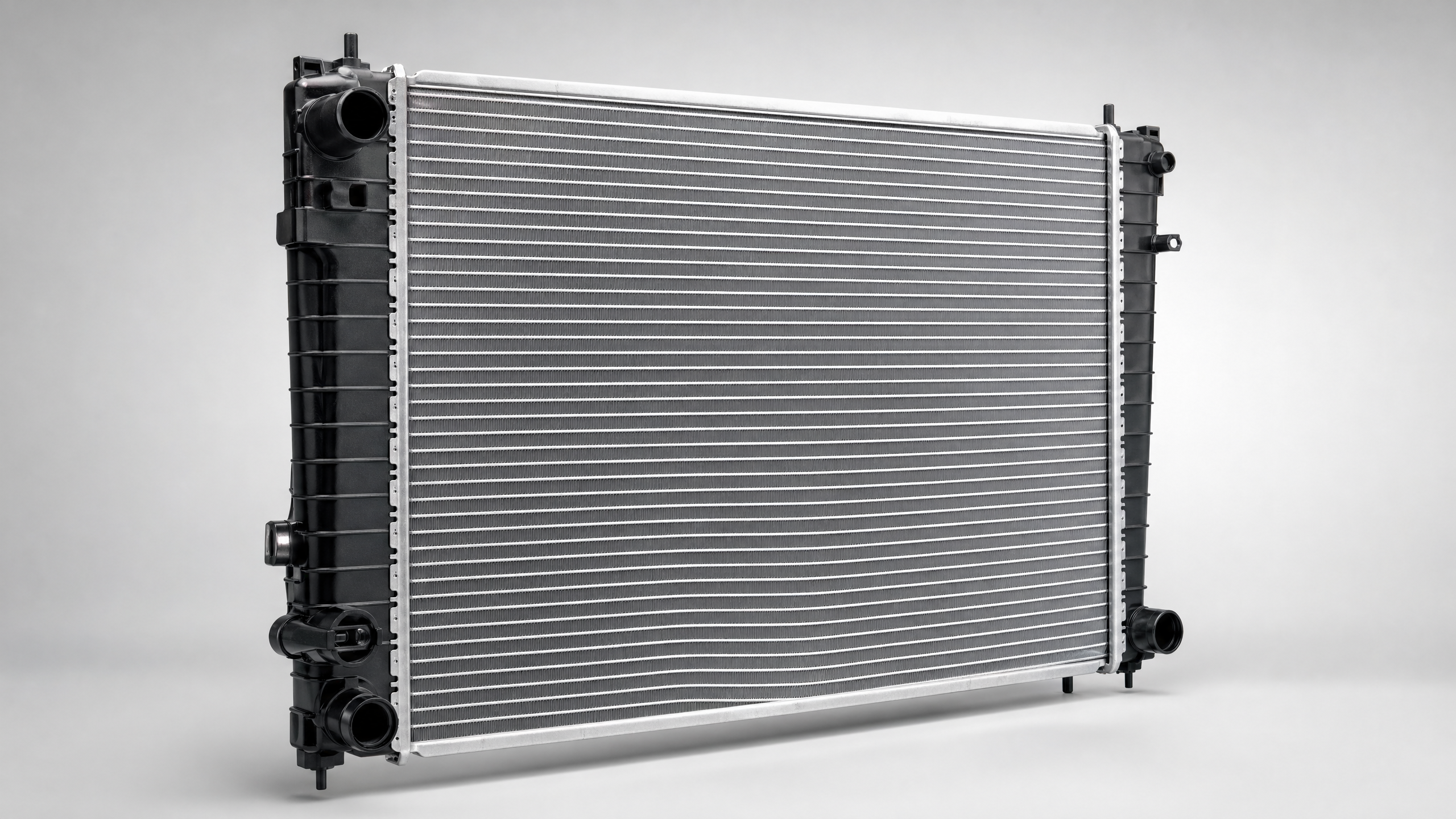
1. Radiator Issues: "I installed the new radiator, but the car is still overheating."
- Q: Could there be air trapped in the system?
- A: Yes. Radiators are structural assemblies that require a complete fluid and chemical fill to function. For instance, if you are working on a 2012-2017 Honda Civic (1.8L), failing to perform a full Drive Cycle to purge air pockets will prevent the coolant from circulating, leading to localized hot spots.
- Q: Did you replace the Radiator Cap?
- A: The cap uses a flexible rubber seal to maintain system pressure. An old cap with a dry-rotted seal will fail to hold pressure, causing the coolant to boil at a lower temperature regardless of how new the radiator is.
- Q: Is the "Flange Interface" clean?
- A: If you didn't use a Wire Brush to clean the hose inlets during the installation, micro-debris can cause "Ghost Leaks" or prevent the hose from seating deeply enough to create a vacuum.
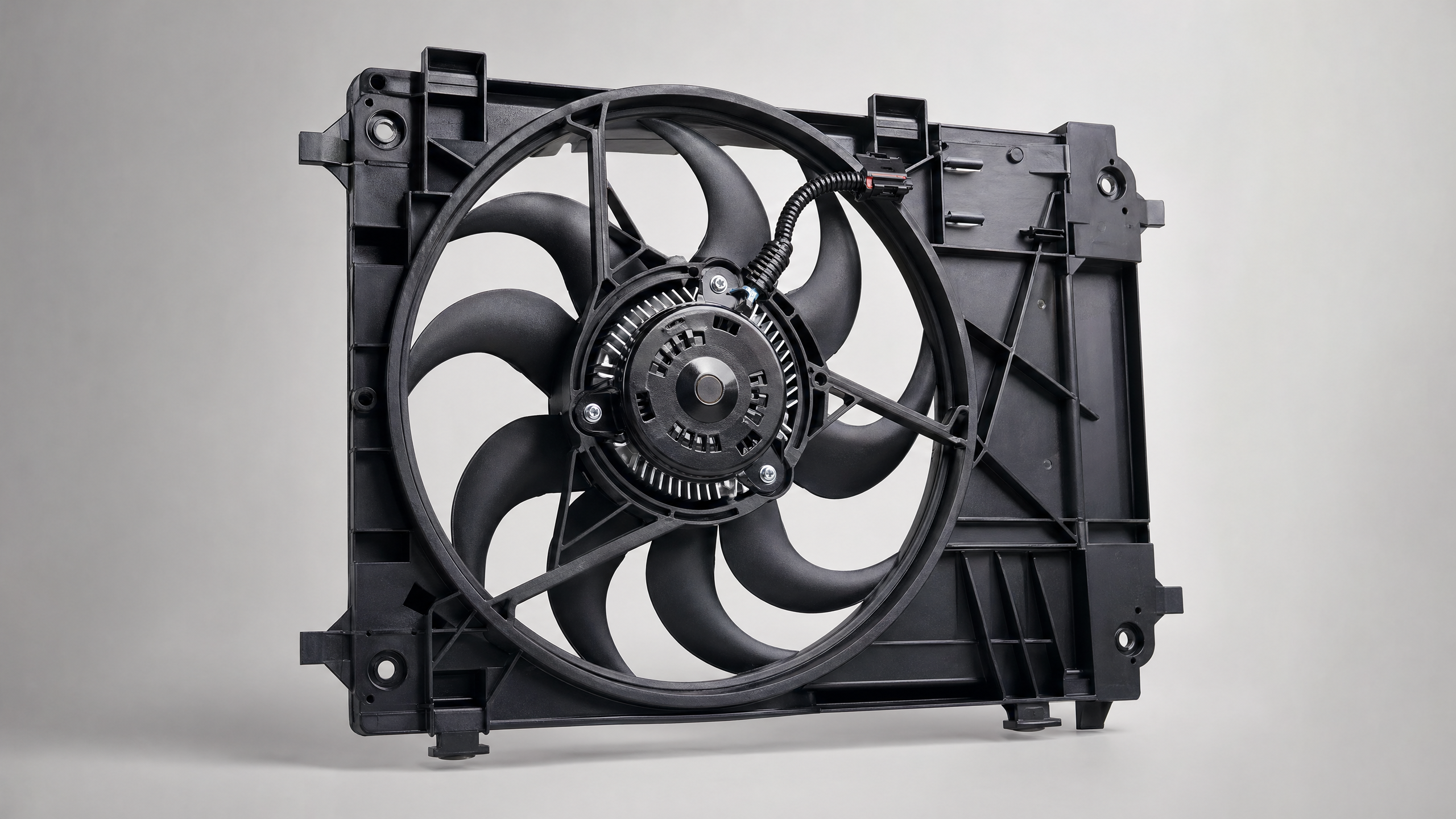
2. Radiator Fan Issues: "The new fan is in, but it won't spin when the engine gets hot."
- Q: Did you clear the historical fault codes?
- A: Modern electronic sensing parts are controlled by the ECU. For vehicles like the 2015-2020 Ford F-150, if you didn't use a diagnostic tool to Clear Codes after installation, the computer may still be in "Limp Mode" or ignoring the new fan based on old data.
- Q: Is there a "Grounding" issue?
- A: Electronics require a clean path for current. If the mounting points weren't prepped with a Wire Brush to remove corrosion, the fan motor may not receive enough voltage to trigger.
- Q: Is the Fan Relay "Sticky"?
- A: Relays are high-wear components. While the fan motor is new, an old relay can suffer from "contact pitting," meaning it won't click over to send power to your new SKU.
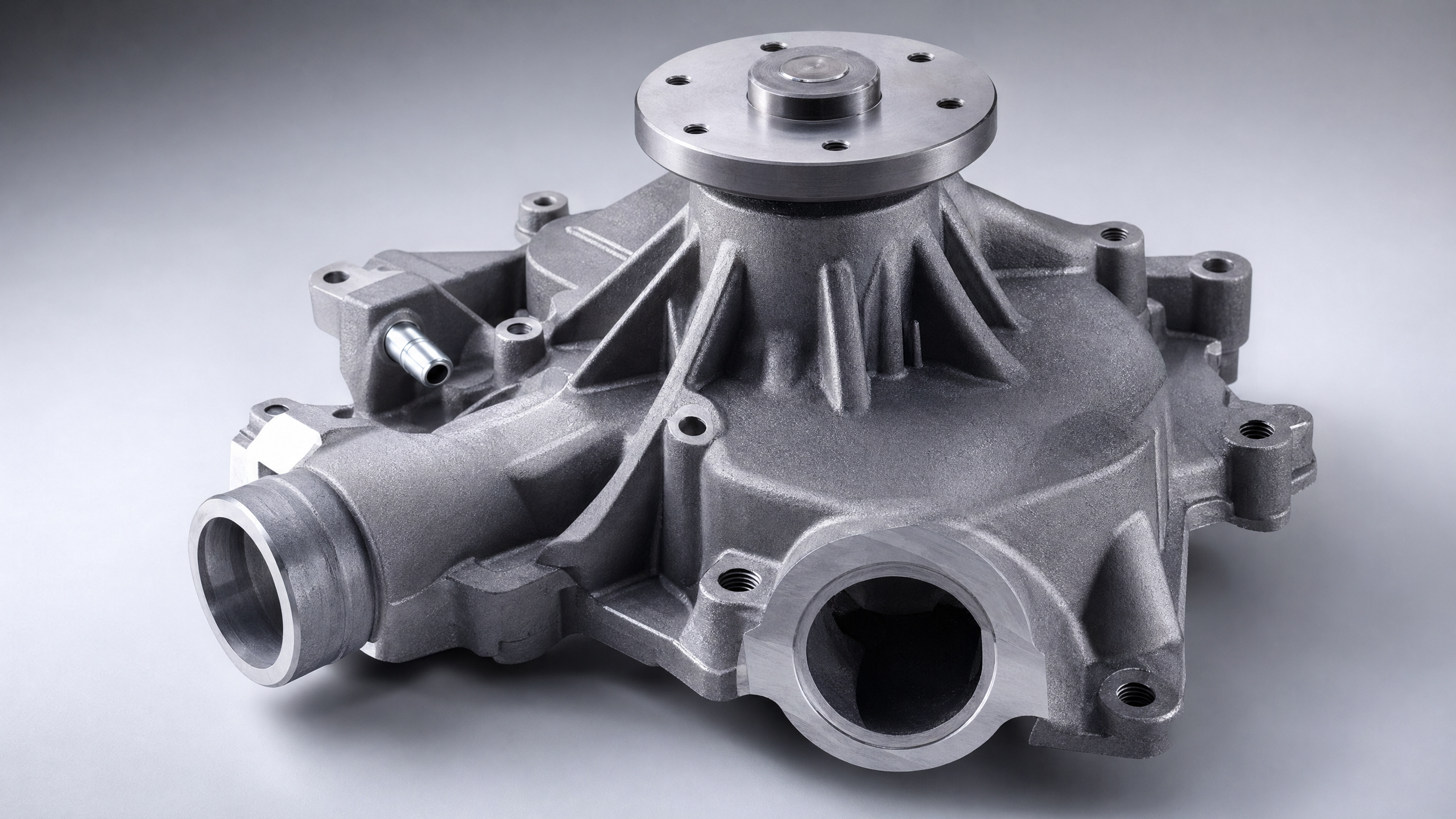
3. Water Pump Issues: "The new pump is installed, but I still hear a noise or see a leak."
- Q: Was the "Flange Interface" properly prepped?
- A: Water pumps involve a metal-to-metal seal. Failure to use a Wire Brush to remove 100% of the old gasket material is the #1 cause of immediate leaks on new pumps, especially in high-clearance engines like the 2014-2019 Jeep Grand Cherokee.
- Q: Did you check the "Upstream" components?
- A: If you hear a grinding noise, it might not be the new pump's bearing. It could be the Serpentine Belt Tensioner or an Idler Pulley that was damaged by the vibration of the old, failing pump.
- Q: Is the belt tension correct?
- A: On Timing Belt-driven pumps, if the tensioner was not set to exact torque specs during the installation, the belt may "whine" or vibrate, mimicking the sound of a bad pump.
Professional Support for Every Vehicle
Whether you are servicing a domestic truck or an imported sedan, our catalog of 10,000+ SKUs ensures you find the exact Fit match. We provide specialized cooling solutions—from high-flow water pumps to precision-balanced radiator fans—all engineered to meet the specific requirements of your vehicle's Year, Make, and Model.
Common Post-Install Issues & Fixes
| Problem Component | Most Likely Post-Install Culprit | Standard Corrective Action (SOP) |
|---|---|---|
| Radiator | Trapped air or old pressure cap | Perform a 30-min Drive Cycle. |
| Radiator Fan | Uncleared ECU fault codes | Clear Codes with a scanner. |
| Water Pump | Improperly cleaned mating surface | Wire Brush the block to bare metal. |