



Water Pump Replacement Guide: Serpentine vs Timing Belt Explained
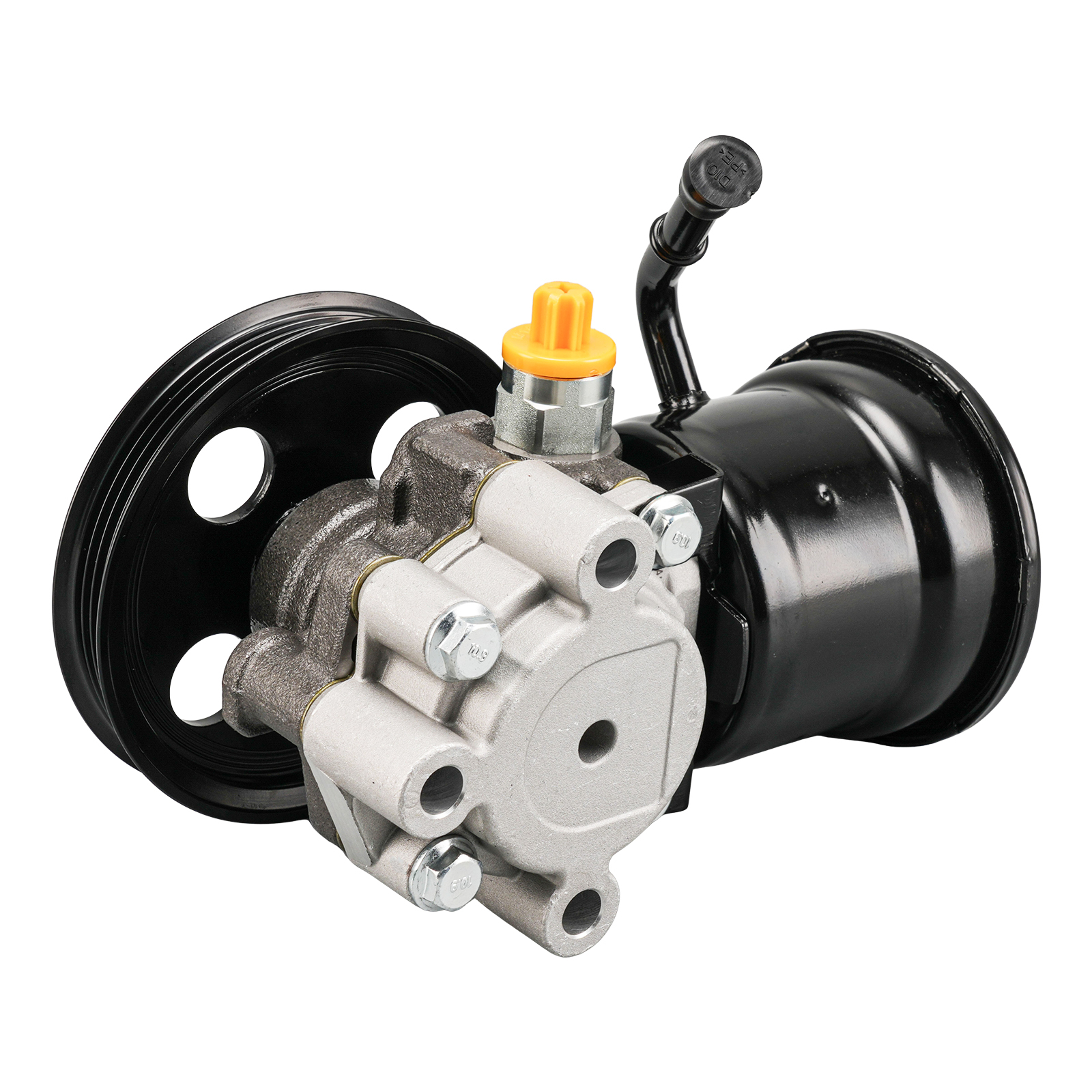
Replacing a water pump is a high-precision task, but the actual difficulty and risk depend entirely on your vehicle's "Physical Essence"—specifically, whether the pump is driven by an external Serpentine Belt or hidden behind an internal Timing Belt. Before you start turning wrenches on your 2014 Toyota Camry or 2010 Honda Civic, you must categorize your engine’s layout to avoid the risk of a "stranded vehicle".
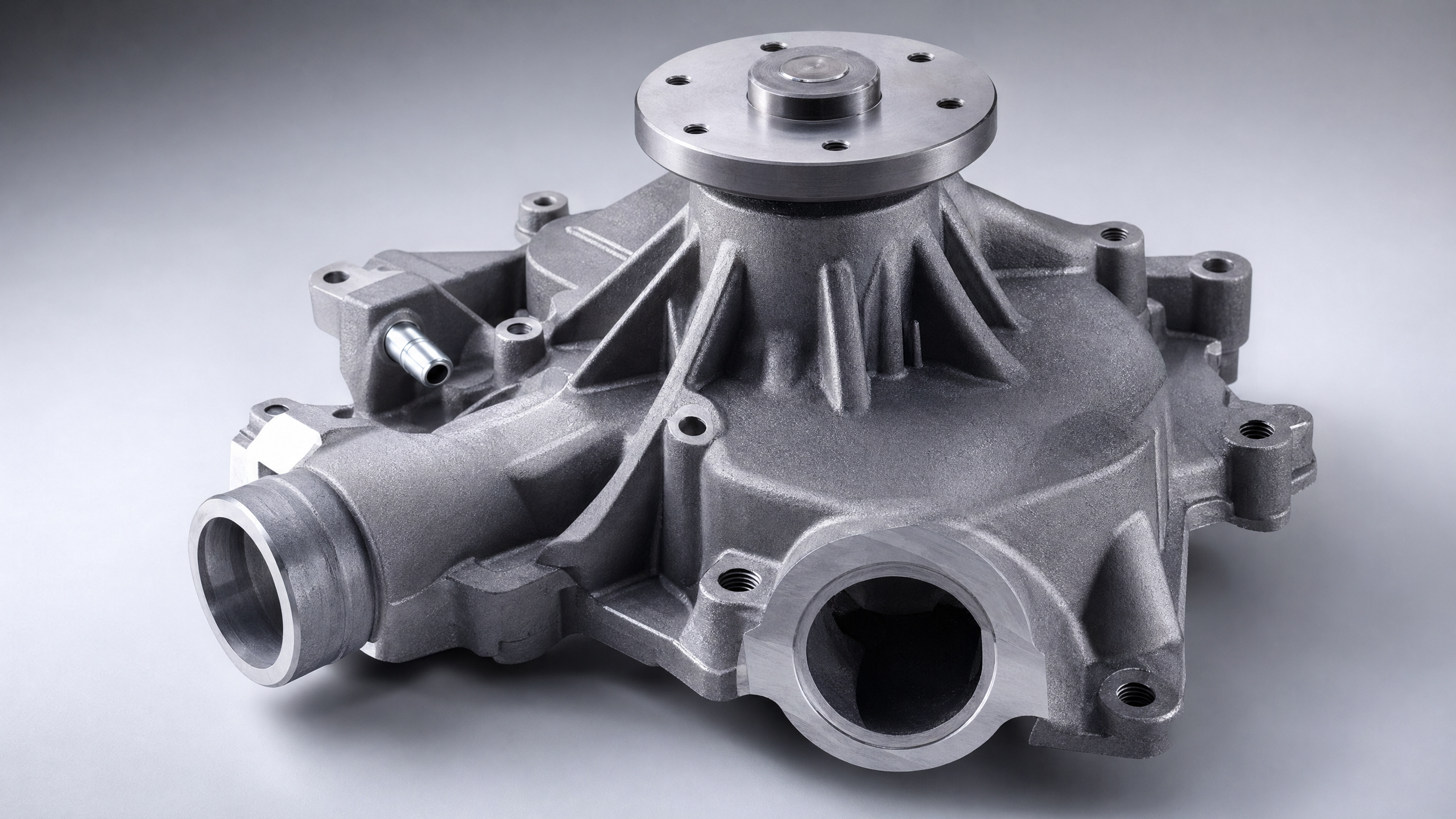
Scenario A: External Serpentine Belt-Driven Pump (The DIY-Friendly Route)
In many modern engines, such as the Toyota 2.4L (2AZ-FE), the pump is an external Functional Assembly. Failure here is typically limited to a coolant leak or bearing noise and doesn't threaten the engine's core synchronization.
- Stage 1 (Arsenal): Prepare Extensions & Swivels to reach the mounting bolts tucked behind the belt. For high-mileage trucks like a Ford F-150, an Impact Wrench may be necessary to break loose rusted pulley bolts.
- Stage 2 (Locate): The pump is anchored where the serpentine belt meets the engine block. Pro Tip: Always snap a photo of the Belt Routing Diagram before removal to prevent a headache during reassembly.
- Stage 3 (Prep): Since these pumps are exposed to the elements, perform a 30-minute chemical soak with penetrating oil to prevent snapping a mounting stud off in the block.
- Stage 4 (Removal): Disconnect the negative battery terminal if the pump is located near the alternator. Remove the belt first, followed by the pump structure.
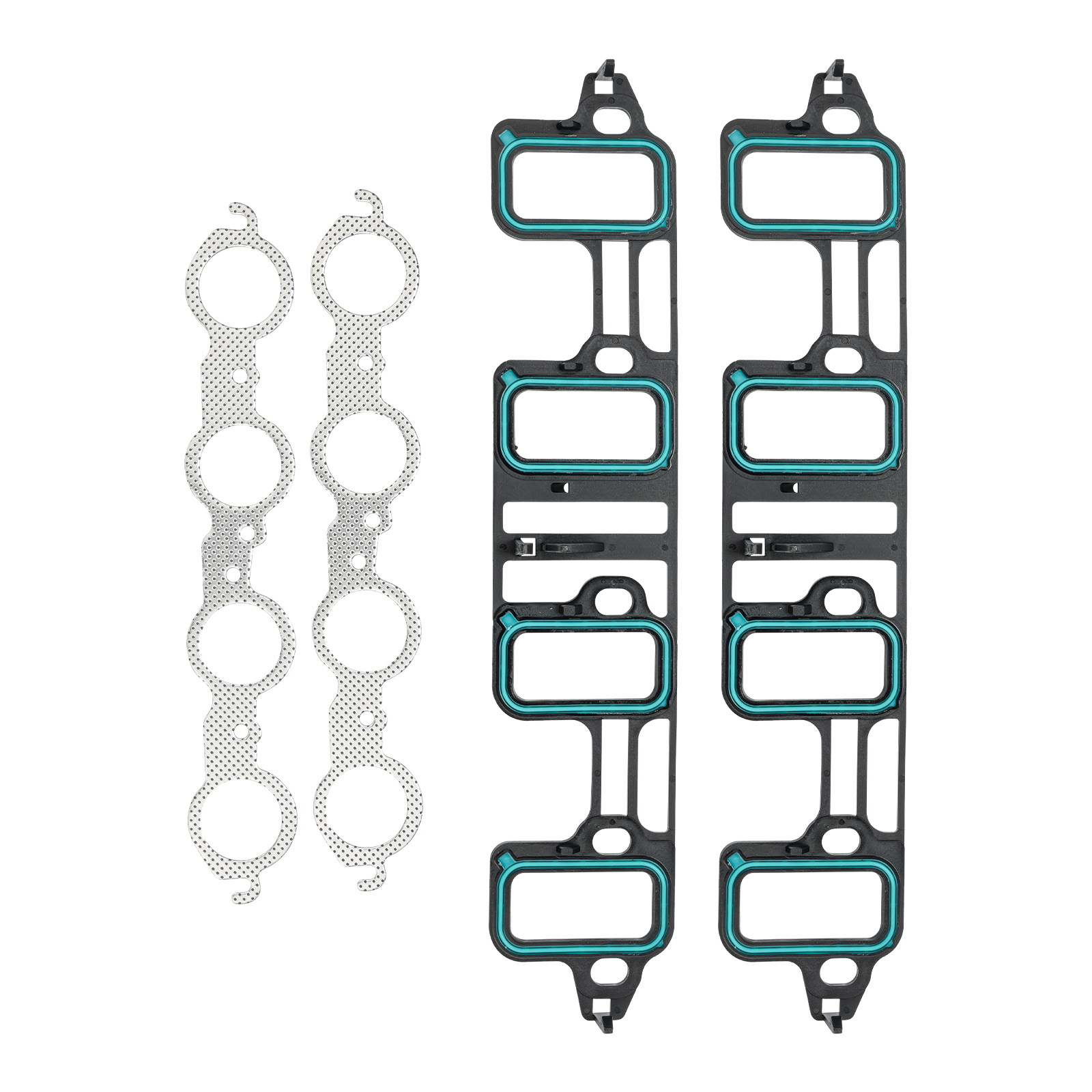
- Stage 5 (Install): Use a Wire Brush to get the engine block’s mating surface perfectly clean. You must use the fresh gasket included with your new SKU; never trust an old, flattened seal.
- Stage 6 (Run): Clear any historical temperature codes and perform a 20-30 minute mixed-condition drive to purge all air pockets from the cooling system.
Scenario B: Internal Timing Belt-Driven Pump (The "Red Alert" Zone)
On engines like the 2006 Kia Cerato or various Volkswagen 2.0T models, the water pump is driven by the Timing Belt, making it part of the engine's "heart". This is a high-value, high-difficulty task.
- Stage 1 (Arsenal): You must have a Torque Wrench and Timing Locking Pins. Standard DIY tools are simply not enough for this "Professional Overhaul" territory.
- Stage 2 (Locate): The pump is buried deep behind the timing cover. You must align the Crankshaft and Camshaft marks to Top Dead Center (TDC) before you even think about loosening that belt.
- Stage 3 (Prep): Chemical soaking is vital for the cover bolts, but keep oils and sprays far away from the rubber timing belt area.
- Stage 4 (Removal): This is a "Deep Teardown". The pump is only removed after the timing belt tension has been safely released.
- Stage 5 (Install): This is the "No-Mistake" zone. You must replace the Water Pump, Timing Belt, and Tensioner as a complete kit. Tighten all bolts in a Diagonal Star Pattern to ensure a 100% airtight and leak-proof seal.
- Stage 6 (Run): Once assembled, manually rotate the engine two full turns by hand to check for any mechanical interference. Only then should you complete a full Drive Cycle to let the ECU verify the timing synchronization.
Management Risk Summary
| Driving System | Classification | Failure Risk | Difficulty Level |
|---|---|---|---|
| Serpentine Belt | External Assembly | Broken belt / Overheating | Tier 1 (Basic) |
| Timing Belt | Core Synchronization | Engine Destruction | Tier 3 (Advanced) |
Disclaimer: Our Mechanic Advisor provides information for educational purposes only and not as professional automotive advice. DIY repairs involve risks. If unsure, consult a certified mechanic. We guarantee part fitment based on your selected vehicle details, but are not responsible for misdiagnosis or damage resulting from use of this guide.