



AC Condenser Leak vs Clog: 6-Step Diagnostic Guide
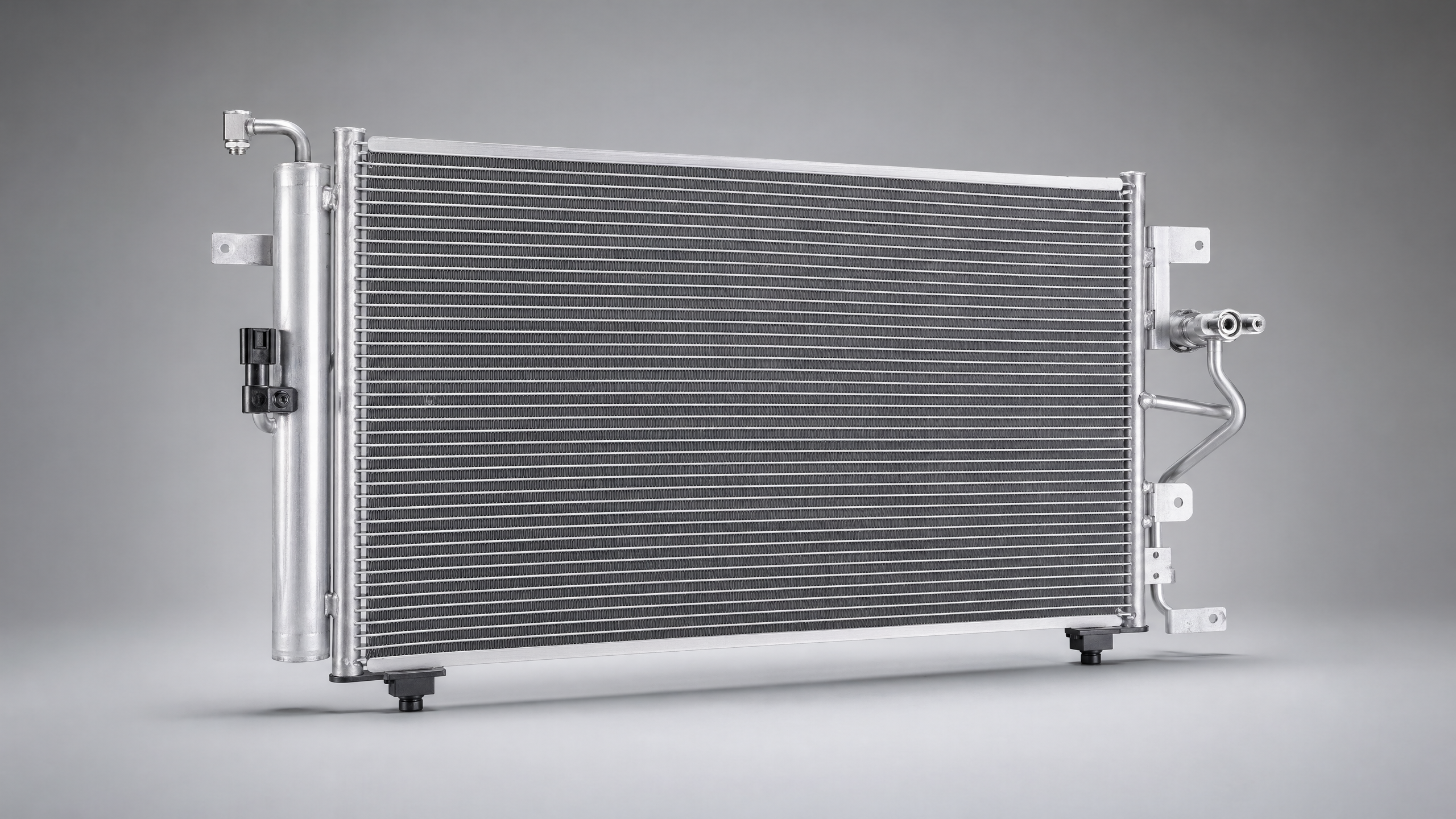
If your air conditioning feels more like a weak breeze than an arctic blast, the AC Condenser might be the silent victim. Sitting at the very front of your vehicle, the condenser acts as a radiator for your AC system, shedding heat from the refrigerant into the outside air. Because of its exposed location, it’s a prime target for road debris and environmental wear.
Before you spend money on a pricey compressor or a full system recharge, use this 6-step diagnostic routine to see if the condenser is the real problem.
Common Signs of a Failing Condenser
Keep an eye out for these "red flags":
- Weak Cooling at Idle: The AC works fine while driving at speed but blows warm when you're stuck at a red light.
- Greasy Stains: Oily, wet spots on the condenser mesh that often attract dust and dirt.
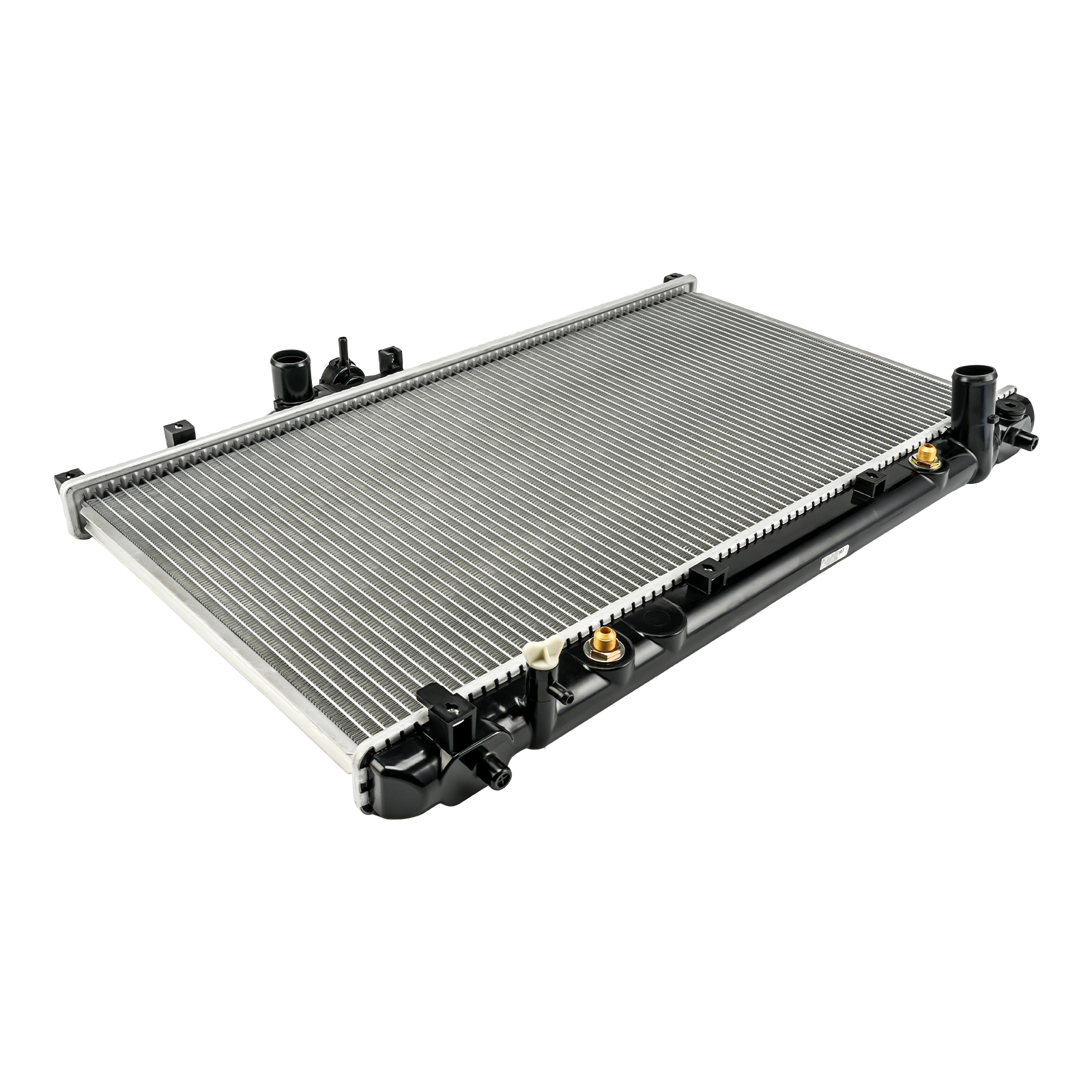
- Engine Temp Spikes: A clogged condenser can block airflow to the radiator sitting right behind it, causing the engine to run hot.
- Burning Odor: If the condenser can't shed heat, system pressure skyrockets, causing the compressor to overheat.
The 6-Step Precise Diagnosis Protocol
Step 0: The "Can I Do This?" Reality Check
Know your "ability boundary" before starting this repair.
- The Green Light: If the unit is easily accessible after removing the grille and only needs standard wrenches, it’s a perfect Saturday afternoon project.
- The Red Alert: If you have to pull the entire front bumper or move high-pressure fuel lines, the complexity increases significantly.
- Pro Tip: You must have the refrigerant professionally recovered by a shop before disconnecting any lines.
Step 1: Ruling Out the Neighbors (External Factors)
Ensure the surrounding "environment" isn't the real issue.
- Fan Check: Make sure your cooling fans are actually spinning. A dead fan mimics a bad condenser because heat isn't being pulled away.
- Debris Removal: Look for leaves, plastic bags, or bugs clogging the fins. Sometimes "failure" is just a lack of airflow.
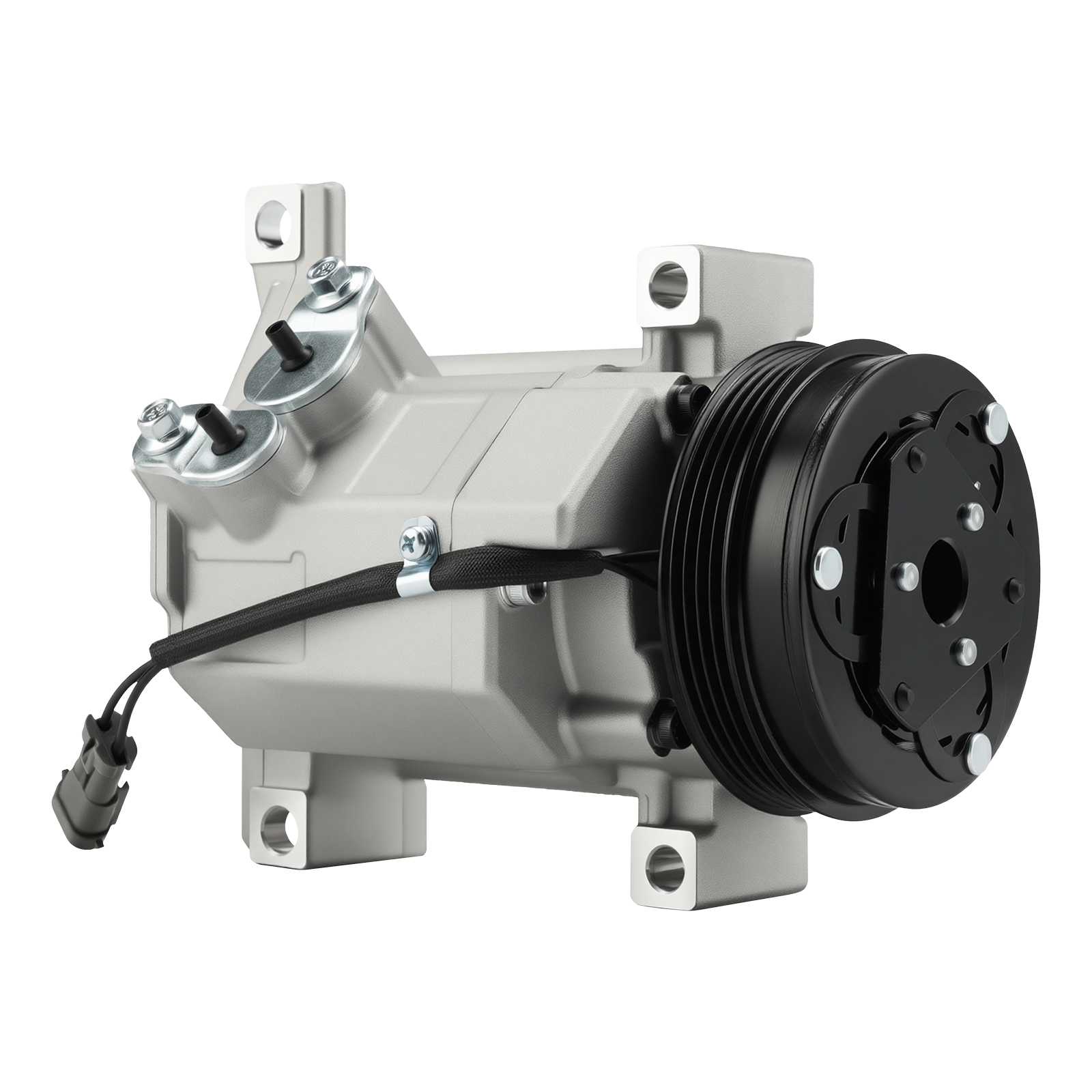
- Compressor Health: Verify the compressor is engaging; if it isn't pumping, the condenser won't get hot.
Step 2: Scan for Trouble (Electronic Signals)
Use an OBD2 scanner to check for functional electrical or pressure failures.
- Relevant Code: Look for P0530 (AC Refrigerant Pressure Sensor Circuit).
- The Logic: If the condenser is clogged or leaking, the pressure sensor detects the anomaly and shuts the system down to prevent a total meltdown.
Step 3: Sensory Verification (Sight & Sound)
Locate physical damage through your senses.
- Listen: A "hissing" sound from the front of the car often points to a high-pressure leak.
- Touch (Temperature Check): Carefully feel the inlet and outlet lines. The top (inlet) should be significantly hotter than the bottom (outlet). If they are the same temperature, the unit is likely clogged internally.
Step 4: Finding the "Smoking Gun" (Visual Evidence)
Lock in your part requirements by looking for physical proof.
- Impact Damage: Look for "bruising" or flattened fins caused by rocks or road salt.
- Oily Residue: Refrigerant contains oil; a leak will leave a dark, greasy stain on the aluminum mesh.
- Corrosion: If the aluminum looks "white and powdery" or is crumbling—common in snowy, salt-heavy regions—it has lost its efficiency.
Step 5: Choosing the Right Components
Based on your findings, here is the roadmap for parts and accessories:
| Diagnostic Conclusion | Recommended Part | Mandatory Accessories |
|---|---|---|
| Punctured/Leaking fins | New Condenser | Receiver-Drier, O-ring kit, Refrigerant |
| Internally Clogged | New Condenser | Receiver-Drier, Expansion Valve, System Flush |
| Dirty/Blocked Fins only | No Part Needed | AC Coil Cleaner Spray |
Vehicle Variations: What You Need to Know
The setup varies depending on what you drive:
- Standard Engines: Popular trucks and sedans like the Toyota Tacoma or Honda Accord typically use a standalone condenser mounted in front of the radiator.
- Modern "Sub-Cooling" Systems: Newer models, such as the Nissan Rogue or Mazda CX-5, often use a condenser with an integrated receiver-drier (the black cylinder on the side). If either part fails, you must replace the entire assembly.
- Hybrids & EVs: Vehicles like the Tesla Model Y or Ford Mustang Mach-E feature complex "Thermal Management". The condenser may be part of a "Chiller" circuit that also cools the high-voltage battery.
- Warning: Use extreme caution around the high-voltage orange cables.
Disclaimer: Our Mechanic Advisor provides information for educational purposes only and not as professional automotive advice. DIY repairs involve risks. If unsure, consult a certified mechanic. We guarantee part fitment based on your selected vehicle details, but are not responsible for misdiagnosis or damage resulting from use of this guide.