



Proactive AC Maintenance Guide | Extend Compressor, Blower Motor & Condenser Life
To keep your vehicle’s climate control system running at peak performance, you must look past the part names and understand how they wear and when they require attention. Whether you are driving a high-mileage commuter or a modern SUV, understanding these "failure pathways" helps you intercept a $10 issue before it turns into a $900 shop bill.
Here is the expert maintenance strategy for the three core pillars of your AC system.
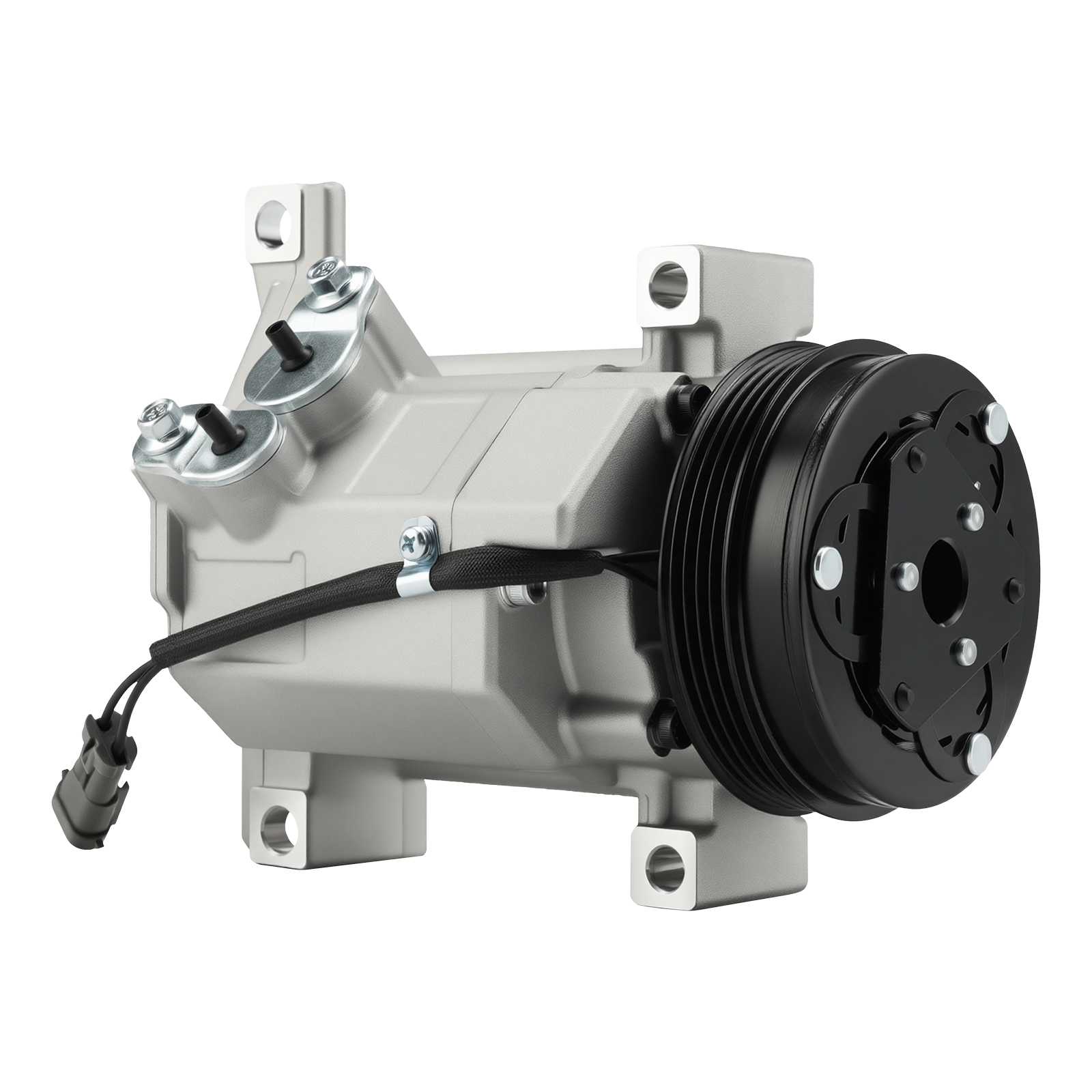
1. The AC Compressor: Protecting Your System’s Heart
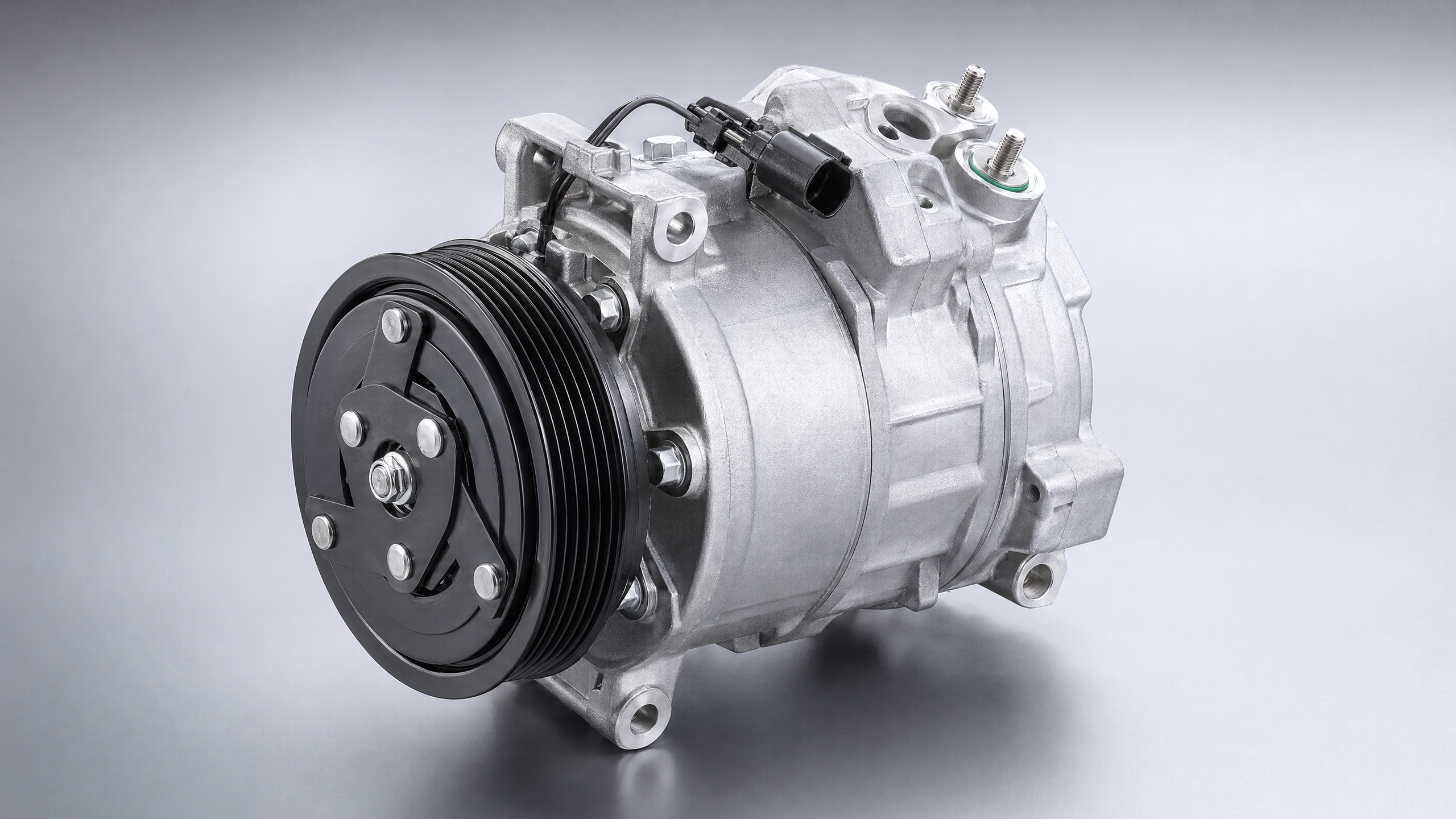
The AC compressor is a complex mechanical device containing pistons, sensors, and internal lubrication. Because it is a "composite" part, its health depends entirely on the chemical environment of the refrigerant and oil.
- Listen for Mechanical Fatigue: Unusual grinding or squealing noises often indicate internal structural failure or a worn-out clutch.
- Monitor the "Circulatory System": Ensure your refrigerant levels are correct and the PAG oil is clean. Contaminated oil is the leading cause of internal seizure.
- Proactive Tip: Even in winter, run your AC for at least 10 minutes once a month. This circulates oil and prevents internal seals from drying out—a common issue on seasonal vehicles like a Ford F-150 or Chevrolet Silverado that might not use AC for months at a time.
2. The Blower Motor: Maintaining the Breeze
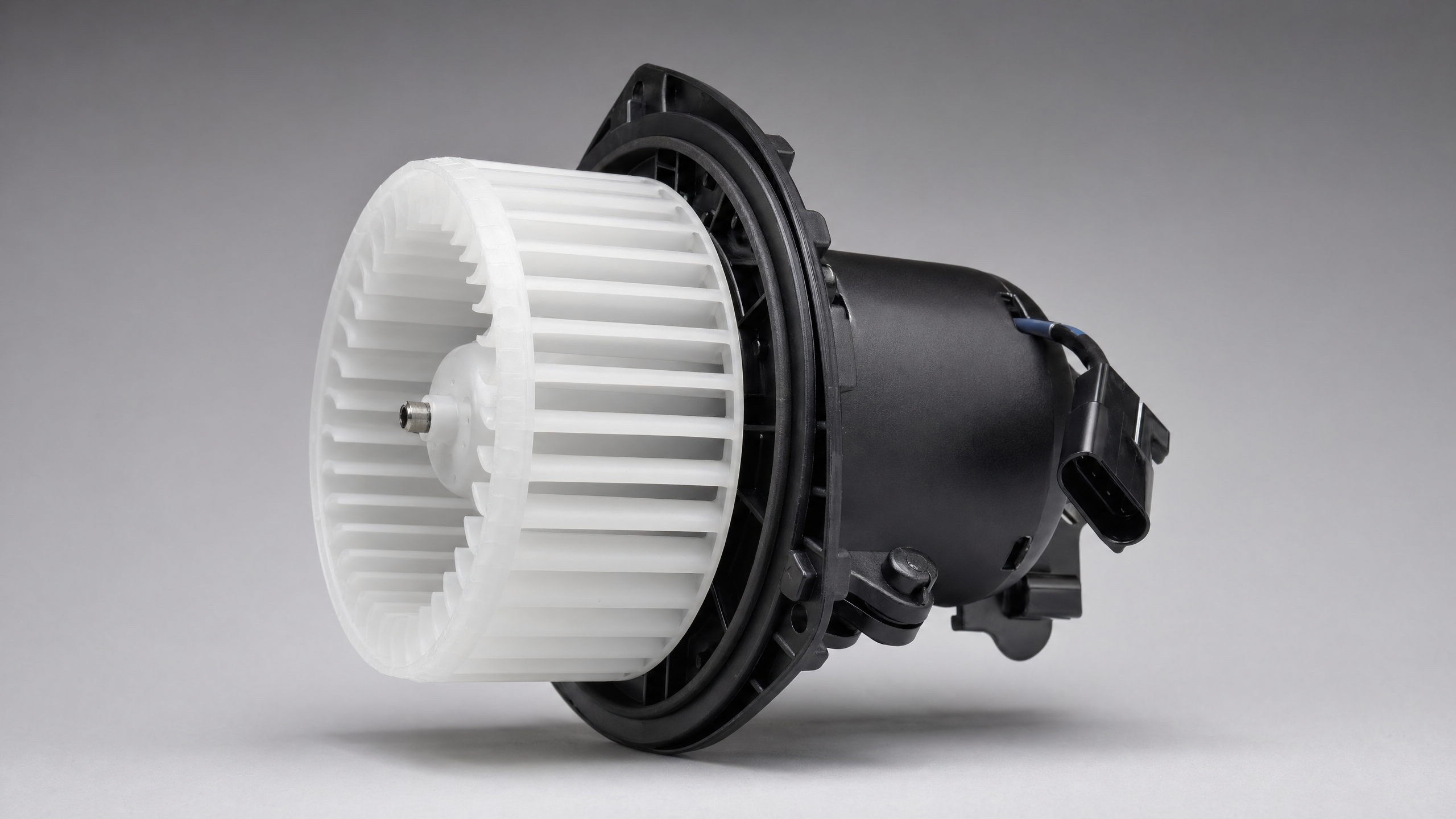
The blower motor is a high-frequency assembly that moves air through your cabin. Interestingly, its failure is often caused by an external "upstream" trigger rather than the motor itself.
- Watch for Airflow Obstruction: If the fan feels weak, check for leaves or dust buildup in the "squirrel cage".
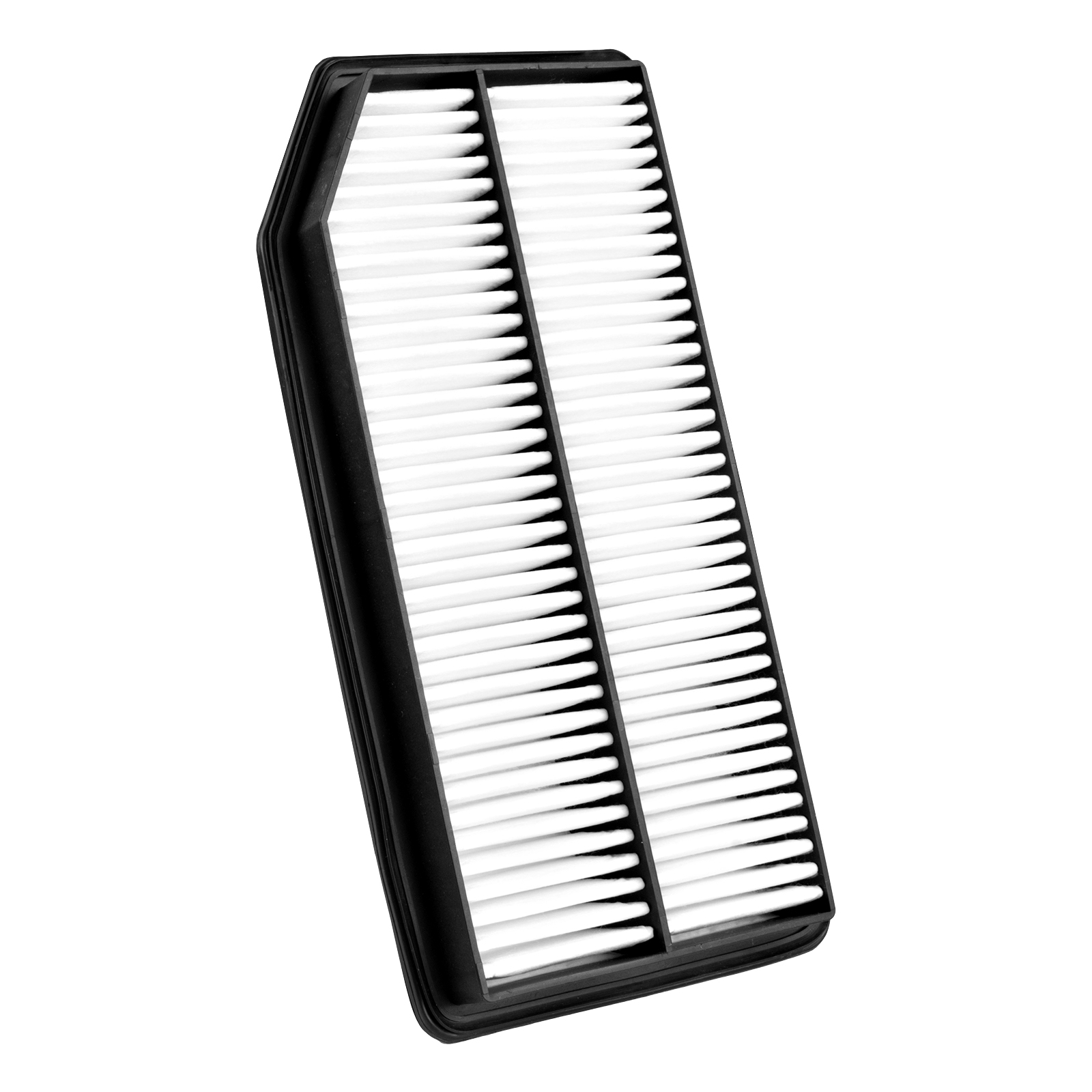
- The Filter Connection: A clogged cabin air filter forces the motor to work harder, leading to electrical burnout.
- Maintenance Schedule: Replace your cabin air filter every 12,000 to 15,000 miles.
- YMM Focus: On vehicles like the Toyota Camry or Honda Accord, this filter is easily accessible behind the glovebox. Neglecting this simple "guardian" is the #1 reason blower motors fail prematurely.
3. The AC Condenser: Environmental Defense
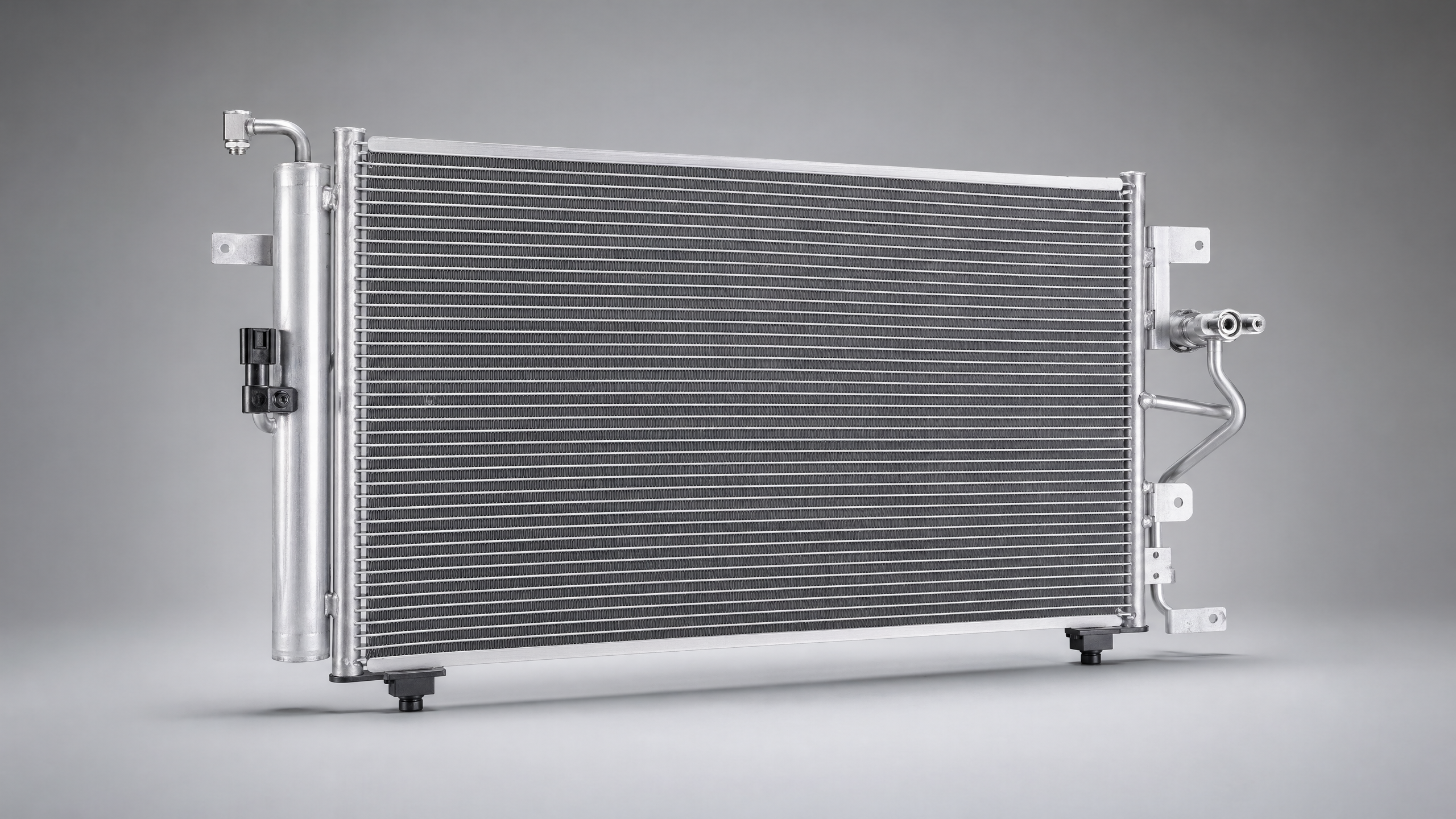
The condenser acts as a heat exchanger, relying on a network of aluminum fins and rubber seals to maintain pressure. Because it is mounted at the front of the vehicle, it faces constant bombardment from road debris.
- Visual Integrity: Inspect the fins for "bruising" (flattened sections) or white powdery corrosion.
- Seal Watch: Check connection points for oily residue. If a flexible gasket or O-ring dries out, the system will lose pressure.
- Proactive Tip: During car washes, gently spray the condenser with low-pressure water to remove salt and road grime.
- YMM Tip: This is especially vital for vehicles driven in "salt-belt" regions, such as a Jeep Wrangler or Subaru Forester, to prevent the aluminum from becoming brittle and cracking.
The "Golden Rule" of AC Repair
Whenever the system is opened for any reason, the Receiver-Drier MUST be replaced. This component contains a chemical desiccant that saturates instantly upon exposure to air. Think of it as a "one-time-use" protector for your high-value compressor and condenser.
By staying ahead of these wear items—like a $5 O-ring or a $10 filter—you ensure your vehicle stays cool and your repair bills stay low.
Disclaimer: Our Mechanic Advisor provides information for educational purposes only and not as professional automotive advice. DIY repairs involve risks. If unsure, consult a certified mechanic. We guarantee part fitment based on your selected vehicle details, but are not responsible for misdiagnosis or damage resulting from use of this guide.