

You’ve followed the diagnostic protocols and completed a professional-grade installation. But what happens when you flip the switch and the air is still lukewarm?
When a "part-for-part" replacement fails, it usually means a systemic root cause was overlooked or a critical accessory was reused. This FAQ covers the missing links for the three core HVAC components.
1. AC Compressor: The "Systemic Health" Check
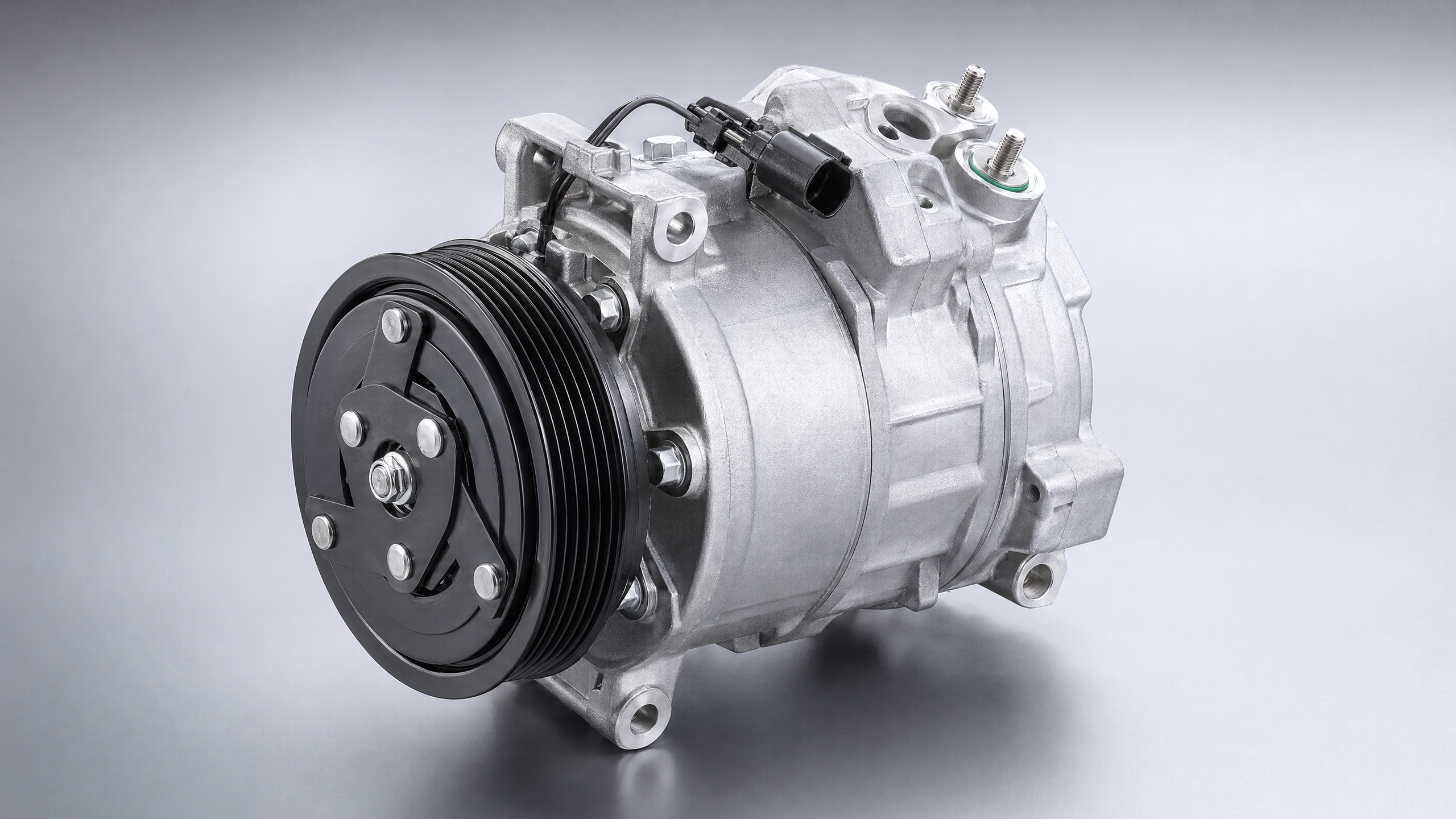
The compressor is a sensitive assembly that relies on the quality of the "blood" (oil and refrigerant) flowing through it.
- Q: I installed the new compressor, but the clutch won't engage. Is the part DOA?
- A: Likely not. Most modern systems, like those in the Ford Explorer or Hyundai Elantra, use a Low-Pressure Cutoff Switch. If you didn't add enough refrigerant or there’s a small leak in a hose, the system locks out the compressor to prevent internal damage.
- Q: The compressor is running, but I hear a loud grinding noise.
- A: This often points to "Black Death" contamination. If your old unit seized and you didn't flush the lines or swap the Receiver-Drier, metal shards are now grinding inside your brand-new part.
- Q: Why did my new compressor fail after only one week?
- A: Reusing an old Receiver-Drier is the #1 cause of premature failure. Moisture trapped in the old drier reacts with refrigerant to create acid, which eats the internal seals of the new unit.
2. AC Condenser: Airflow & Sealing Issues
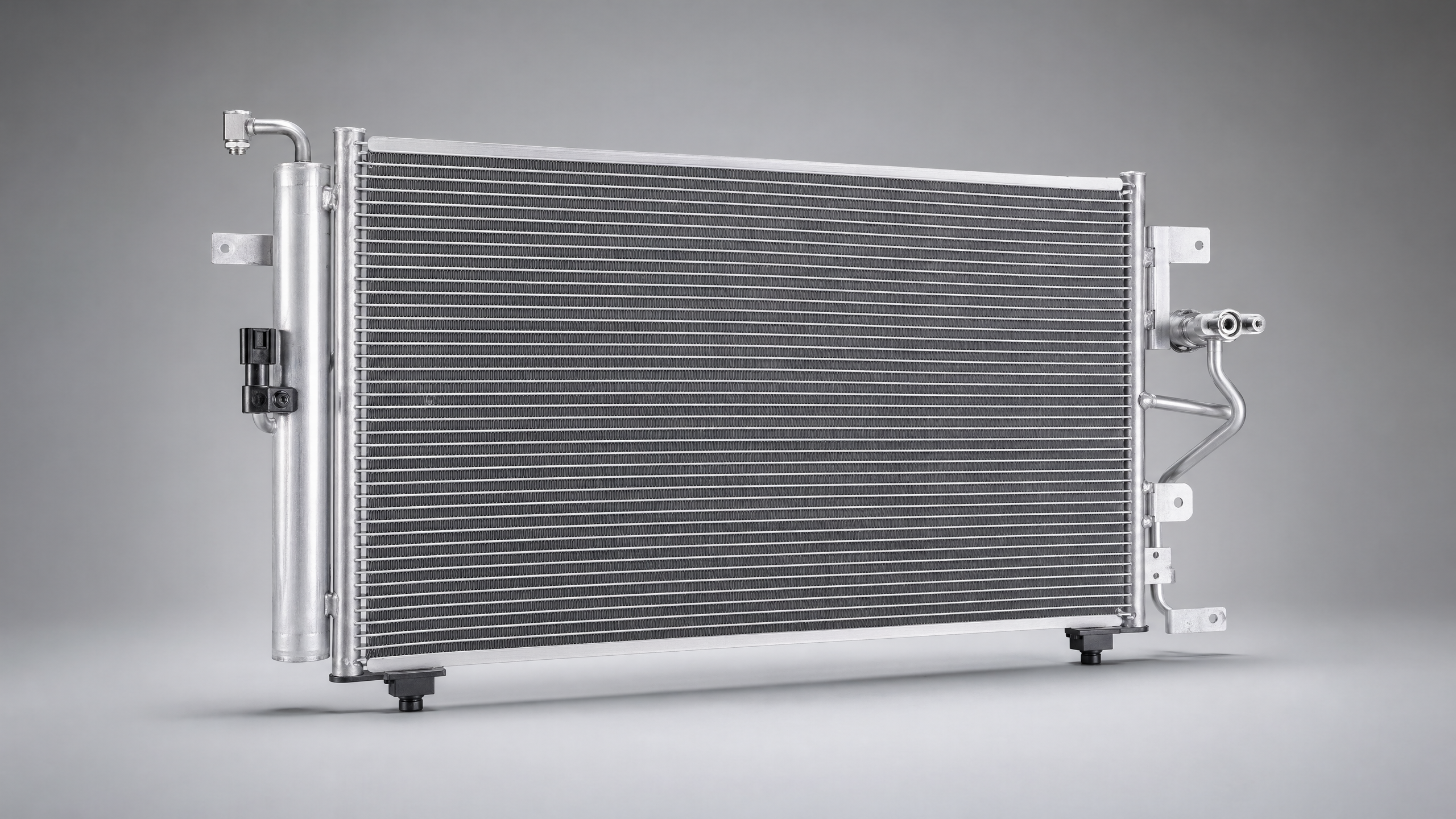
The condenser is a fluid and sealing component. If it’s new but cooling is still weak, the issue is almost always a blockage.
- Q: The AC is cold while driving but gets warm when I stop at a light.
- A: This is rarely a faulty condenser. Check your Radiator/Condenser Fans. If the fans aren't pulling air through the fins while stationary—common on high-mileage Jeep Cherokees—the condenser cannot shed heat.
- Q: I see oily spots on my brand-new condenser already. Is it leaking?
- A: If you didn't perform a "Wet Seal" by lubricating new O-rings with PAG oil during installation, the seal likely pinched or tore.
- Q: My engine temperature is rising after the new install.
- A: Ensure there is no "debris sandwich" (leaves or dirt) trapped between the new condenser and the radiator. Any blockage here restricts airflow to the entire cooling system.
3. Blower Motor: Signal & Resistance Problems
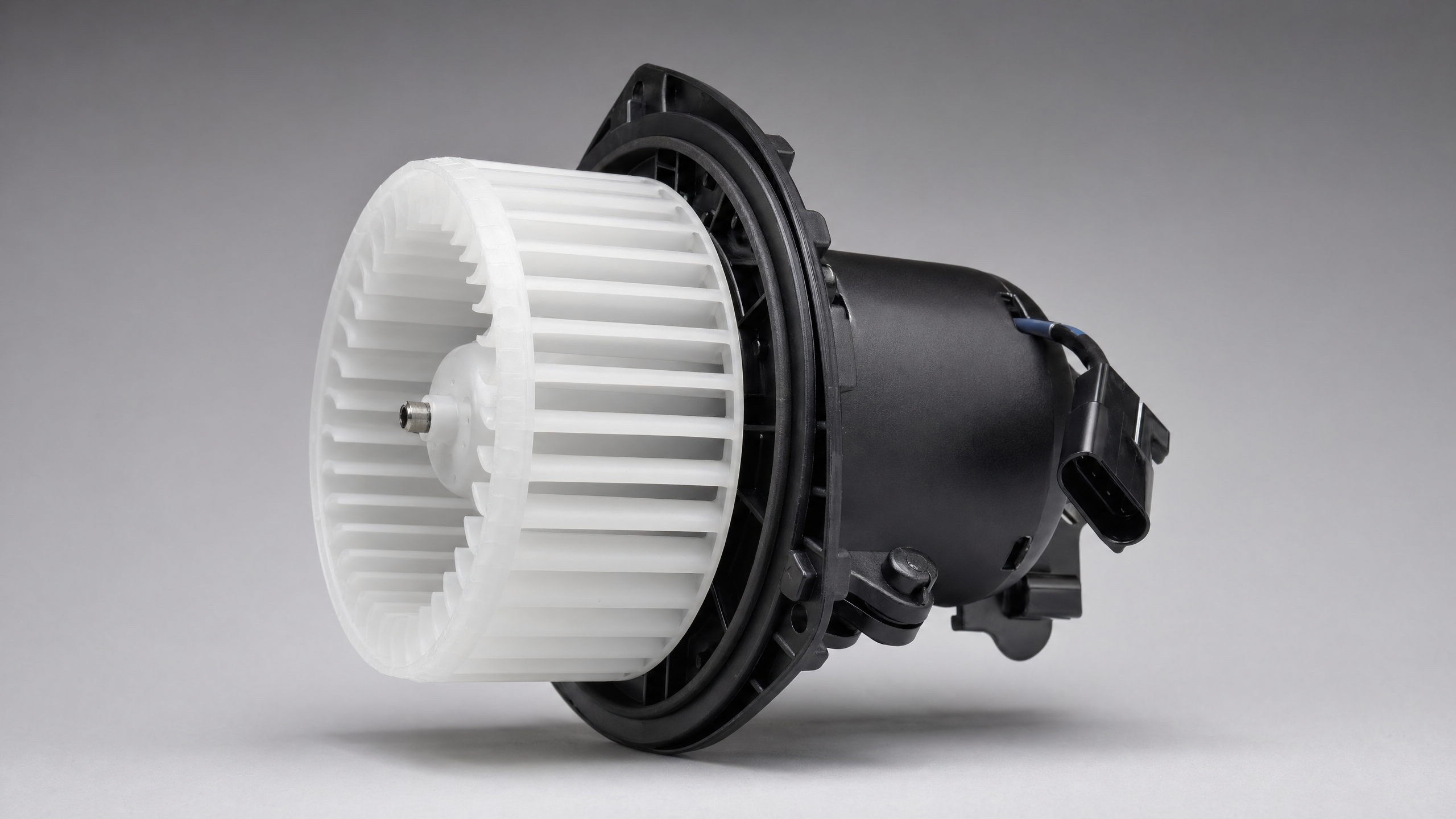
The blower motor is entirely dependent on electronic control. If it won't spin, the problem is usually "Upstream".
- Q: I replaced the motor, but it only works on the "High" setting.
- A: Your Blower Motor Resistor is blown. The resistor controls lower speeds; when it fails, only the direct "High" circuit remains functional.
- Q: The new motor is spinning, but airflow from the vents is very weak.
- A: Check your Cabin Air Filter. In vehicles like the Toyota RAV4 or Volkswagen Jetta, a clogged filter acts like a wall, blocking the new motor's output.
- Q: There is a new "ticking" or vibration coming from the dash.
- A: This is a physical balance issue. Even a tiny piece of plastic or a stray leaf that fell into the HVAC case during the swap will cause an imbalance in the fan wheel.
The Bottom Line: Did You "Crack the Lines"?
If your repair involved opening the refrigerant lines for the compressor or condenser, you must replace the Receiver-Drier. If you skipped this step, your system is now contaminated with atmospheric moisture, making the diagnosis incomplete.