



How to Replace Your AC Condenser: Leak-Free Installation Guide
Replacing an AC condenser is a critical task for maintaining your vehicle's cooling efficiency. Because the condenser is part of the Fluid & Sealing logic branch—handling high-pressure refrigerant and specialized oils—precision during installation is the difference between an icy cabin and a catastrophic system leak.
Following professional installation protocols, here is your real-world guide to installing a new AC condenser.
Step 1: Tools & Safety (What You’ll Actually Need)
Before you begin, ensure the refrigerant has been professionally recovered by a licensed shop.
- Physical Preparation: You will need a standard socket set, a trim removal tool for the front grille, and a set of quick-disconnect tools for the AC lines if your vehicle requires them.
- Precision Preparation: Use lint-free cloths to plug open lines immediately upon disconnection to prevent moisture and debris from entering the system.
Step 2: Identify Your Layout & Ports
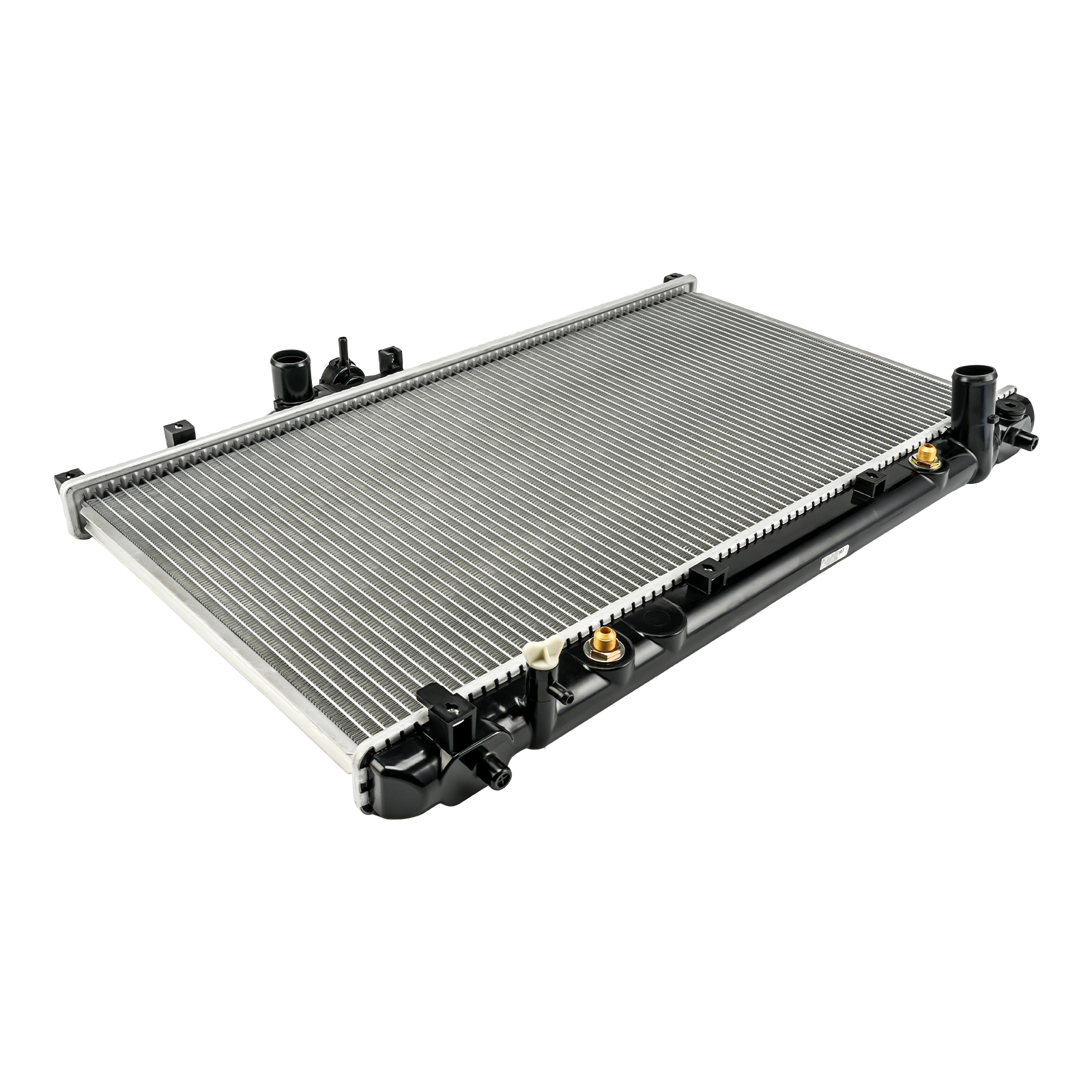
The condenser is usually located directly in front of the radiator. Access varies by vehicle; for example, a 2016-2022 Honda Civic typically requires removing the front bumper cover, while a 2010-2015 Toyota Prius offers more top-down clearance.
- Mirror Mapping: Note the routing of the high and low-pressure lines and the location of any electrical connectors for the pressure sensor.
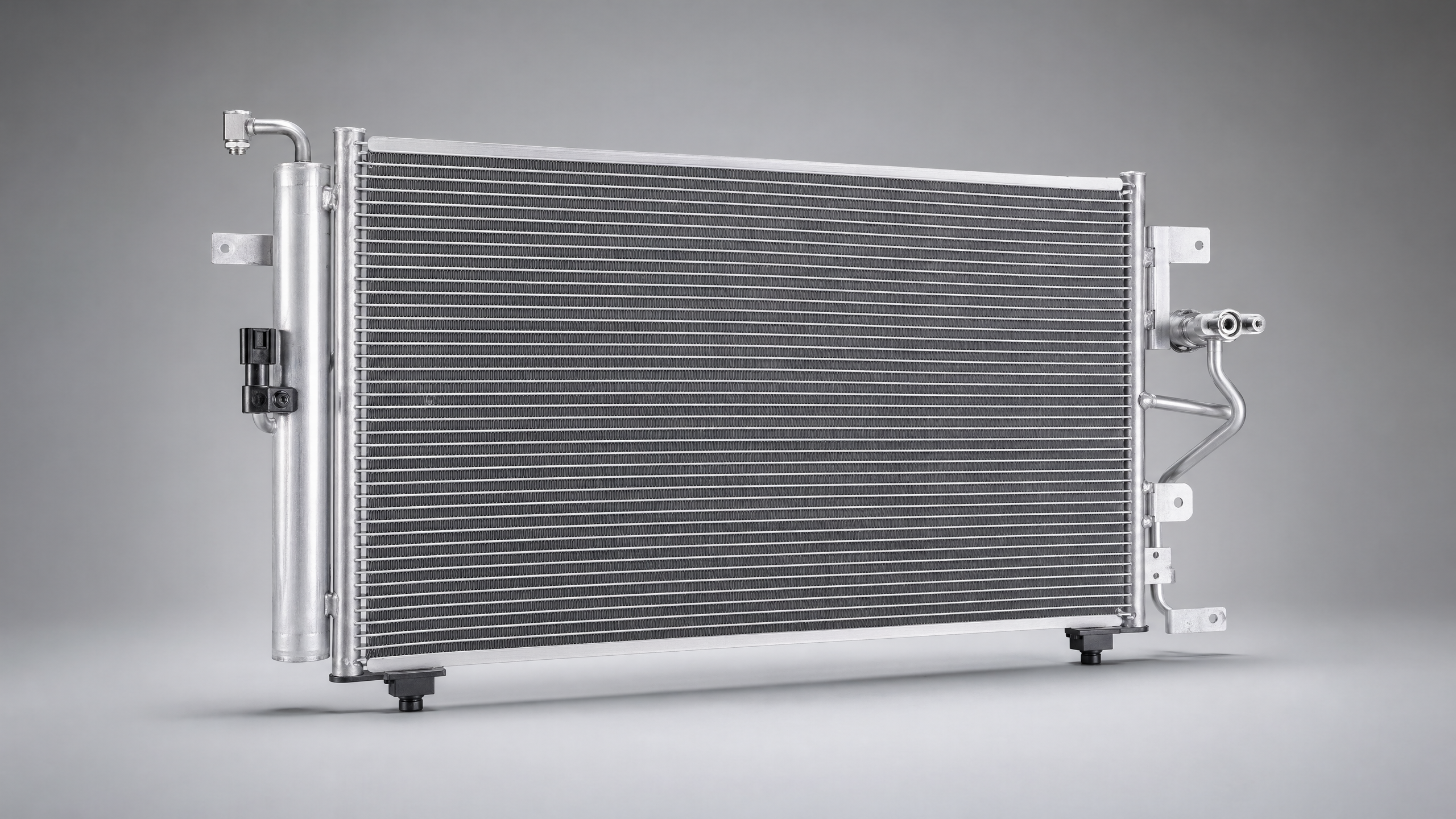
- Feature Identification: Look for mounting tabs or rubber bushings. Ensure the new unit's dimensions and port locations match the original exactly before removal.
Step 3: Cleaning & Corrosion Control
- Contamination Control: Use a brush or compressed air to clean the area around the line fittings before opening them. This is critical to prevent dirt from falling into the high-pressure circuit.
- Chemical Support: Spray penetrating oil on the mounting bolts 30 minutes prior if you live in a "salt-belt" region where corrosion is common.
Step 4: Removing the Old Unit Safely
- Decoupling Sequence: Always unplug the electrical pressure sensor first before loosening the heavy mounting bolts.
- Safe Retreat: Carefully unclip the condenser from the radiator.
- YMM Tip: Many modern cars, such as the BMW 3-Series or Volkswagen Jetta, use "plastic snap" connectors rather than bolts; use a trim tool to avoid snapping these aged, brittle plastic components.
Step 5: Pro-Tips for a Perfect Seal
This is the most critical stage. Every connection must be air-tight.
- Interface Recovery: Inspect the mounting brackets and rubber bushings. If the bushings are cracked, replace them to prevent vibration from cracking the new condenser's aluminum tubes.
- The "Wet Seal" Rule: Remove the shipping plugs from the new unit. Mandatory: Dip your new O-rings in fresh PAG oil (refrigerant oil) before sliding them onto the line ends. This ensures the seal seats perfectly without tearing.
- The Open-System Rule: Once you open the system, the Receiver-Drier (if separate) must be replaced immediately, as the desiccant inside will quickly absorb moisture and fail.
- Tightening Standard: Hand-thread mounting bolts 3–5 turns first. Use a torque wrench to tighten the line nuts to factory specs (usually 10-15 ft-lbs). If a torque wrench isn't available, follow the "hand-tight plus 1/4 turn" principle to avoid crushing the delicate aluminum threads.
Step 6: Leak Testing & System Vacuum
- Visual Validation: Confirm the condenser is not touching the radiator or any sharp metal edges that could cause a vibration leak.
- Static Pressure Test: Take the car to a professional shop to have a vacuum pulled on the system for at least 30 minutes. This removes all moisture and confirms the system holds a vacuum before adding new refrigerant.
Vehicle Variations: What Changes?
- Standard ICE Vehicles: Usually have a standalone condenser.
- Modern "Parallel" Systems: Many newer vehicles, like the 2015-2020 Ford F-150, have the Receiver-Drier permanently attached to the side of the condenser. In this design, you cannot replace the drier separately; you must install the integrated assembly to maintain your warranty.
- Hybrid & Electric Vehicles: These may have a "Chiller" or a dual-circuit condenser that cools the battery as well as the cabin.
Red-Line Alert
If you see orange high-voltage cables near your AC components, do not touch them unless the high-voltage system has been safely decommissioned.
Disclaimer: Our Mechanic Advisor provides information for educational purposes only and not as professional automotive advice. DIY repairs involve risks. If unsure, consult a certified mechanic. We guarantee part fitment based on your selected vehicle details, but are not responsible for misdiagnosis or damage resulting from use of this guide.