


Why Your Car Won't Start After a Jump: Is it the Battery? | DIY Diagnostic Guide
It is the ultimate morning frustration: you turn the key in your Chevrolet Silverado or Toyota Camry, and all you get is a sluggish crank or a rapid-fire "click-click-click." Your first instinct is to blame the battery, but replacing it blindly is often just a temporary fix for a deeper problem.
To achieve a "one-to-one" accurate diagnosis, you must isolate the battery from the rest of the vehicle's electrical system. Use this 6-step checklist to confirm if your battery has reached the end of its life or if another component is "poisoning" your power supply.
Red Flags to Watch For
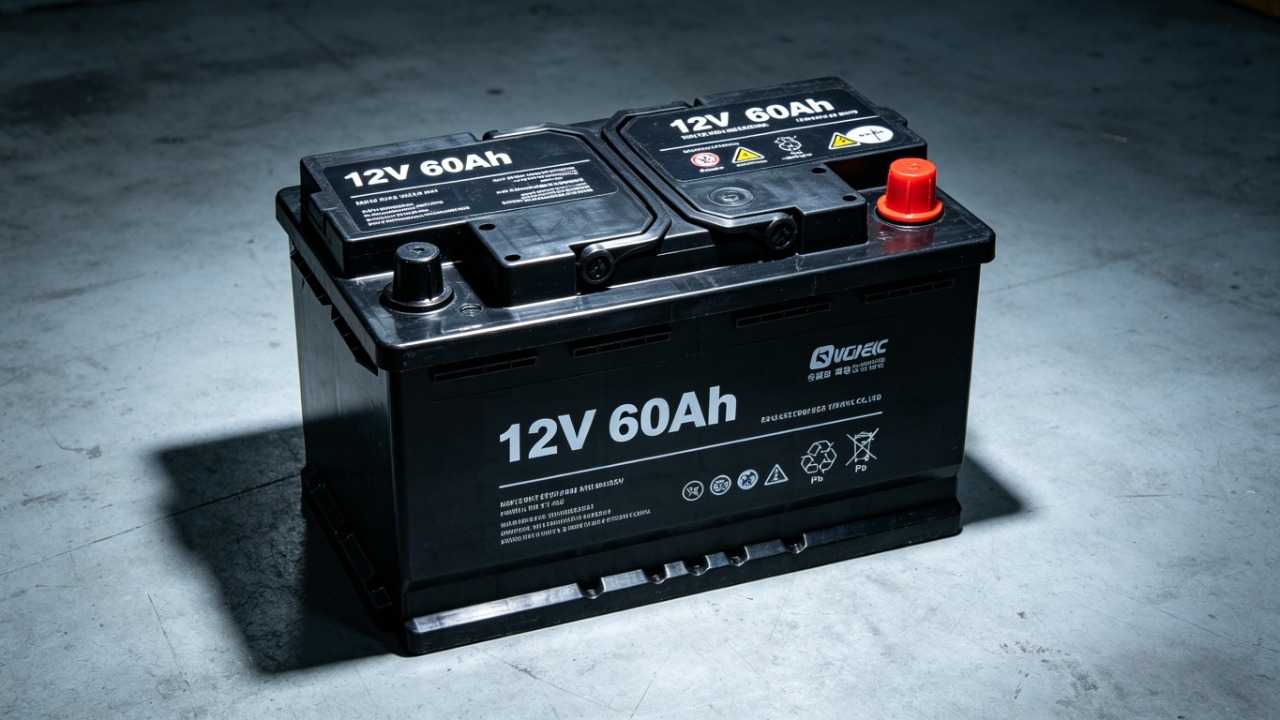
Before grabbing your tools, look for these classic signs of a failing battery:
- The Slow Crank: The engine sounds "lazy" or takes longer than usual to turn over.
- Dashboard Warnings: The battery icon stays illuminated, or your infotainment screen resets unexpectedly.
- Dimming Electronics: Headlights that brighten only when you rev the engine on your Jeep Grand Cherokee.
- The "Swollen" Case: A battery case that looks bloated or misshapen due to extreme heat or overcharging.
The 6-Step "No-Guesswork" Checklist
Step 0: Look Before You Leap (The Readiness Audit)
Before grabbing a wrench, evaluate the "Ability Boundary" to see if this is a simple swap or a professional job.
- What you're checking: Is the battery easily accessible under the hood (DIY Green Lane), or is it hidden in the wheel well or under the floorboards as seen in some Dodge Journeys?
- What you're avoiding: If the job requires removing structural braces or involves complex high-voltage resets, it may be a "Red Alert" scenario for a pro.
- The Goal: Match your tools and skills to the specific layout of your vehicle before you start.
Step 1: Clear the Path (Systemic Exclusion)
You must ensure the "upstream" environment is healthy before blaming the battery itself.
- What you're checking: Are the terminals free of "white powder" corrosion? Is the alternator belt tight?
- What you're avoiding: A perfectly good battery will "die" if a corroded cable is blocking the flow or if the alternator isn't recharging it.
- The Goal: Rule out "external poisoning" like loose grounds that mimic a dead battery.
Step 2: Read the Codes (Listen to the Computer)
Plug in an OBD2 scanner to find functional "ironclad evidence."
- What you're checking: Look for codes like P0562 (System Voltage Low).
- What you're avoiding:Strict Prohibition: Never install a new battery if you see active Misfire codes (P0300-P0304) or Alternator codes. Solve those first, or your new battery will be drained and damaged within days.
Step 3: Use Your Senses (The Sniff & Listen Test)
Your eyes and nose can often find physical damage faster than a computer.
- What you're checking: Sniff for a "rotten egg" smell (sulfur), which indicates a battery is leaking or overcharging.
- What you're avoiding: This helps distinguish between a simple discharge and a permanent chemical failure.
- The Goal: If you smell sulfur or see liquid leaking from the vents, the internal structure is compromised and cannot be saved.
Step 4: Get Physical Proof (The Multimeter Moment)
Look for the "Physical Ironclad Evidence" to confirm the battery's health.
- What you're checking: A resting battery should show 12.6V. If it drops below 10V during a "load test" (cranking the engine), the battery is a "dead soldier."
- What you're avoiding: This excludes "phantom" charges where a battery looks good on the surface but has no real cranking power.
- The Smoking Gun: If the terminals are physically loose or the casing is cracked on your Ford Explorer, the unit must be replaced.
Step 5: Pick the Right Fix (Decision Matrix)
Once the diagnosis is "one-to-one," choose the solution that matches your vehicle's demands.
| The Verdict | Recommended Solution | Essential Maintenance |
|---|---|---|
| Low voltage but terminals are dirty. | Professional Cleaning & Recharge | Battery terminal brush, anti-corrosion spray. |
| Fails load test; standard vehicle. | Lead-Acid Battery Replacement | Battery hold-down bolt inspection. |
| Leaking, swollen, or "Stop-Start" car. | AGM / Heavy-Duty Battery Upgrade | Terminal end replacement, memory saver. |
Why Your Car Model Matters
The logic stays the same, but the technology changes:
- Modern "Smart" Systems: Many newer vehicles, especially BMW X5s or Audi A4s, require "Battery Registration" in the computer when you swap the part, or the alternator won't charge it correctly.
- Cold Climate Models: If you drive a Subaru Outback in extreme winters, you may need a higher Cold Cranking Amps (CCA) rating than the factory standard.
Summary: This approach stops you from "chasing symptoms" and helps you find the actual root cause. To ensure a perfect fit, always use our Year/Make/Model (YMM) + Engine type search tool to find the exact battery SKU required for your vehicle's specific cranking demands. Follow these 6 steps to ensure your DIY repair is a success on the first try.
Disclaimer: Our Mechanic Advisor provides information for educational purposes only and not as professional automotive advice. DIY repairs involve risks. If unsure, consult a certified mechanic. We guarantee part fitment based on your selected vehicle details, but are not responsible for misdiagnosis or damage resulting from use of this guide.