


Beyond the Click: Hands-On Guide to Starting System Reliability & Maintenance
A vehicle's starting system is a complex "Functional Assembly"—a delicate balance of mechanical, electronic, and chemical components. Whether you are driving an agile Honda Civic or a high-mileage Toyota Camry, keeping your commute reliable requires maintaining each part based on its specific "Failure Logic". By understanding how these systems interact, you can avoid unexpected breakdowns and ensure your vehicle roars to life every time.

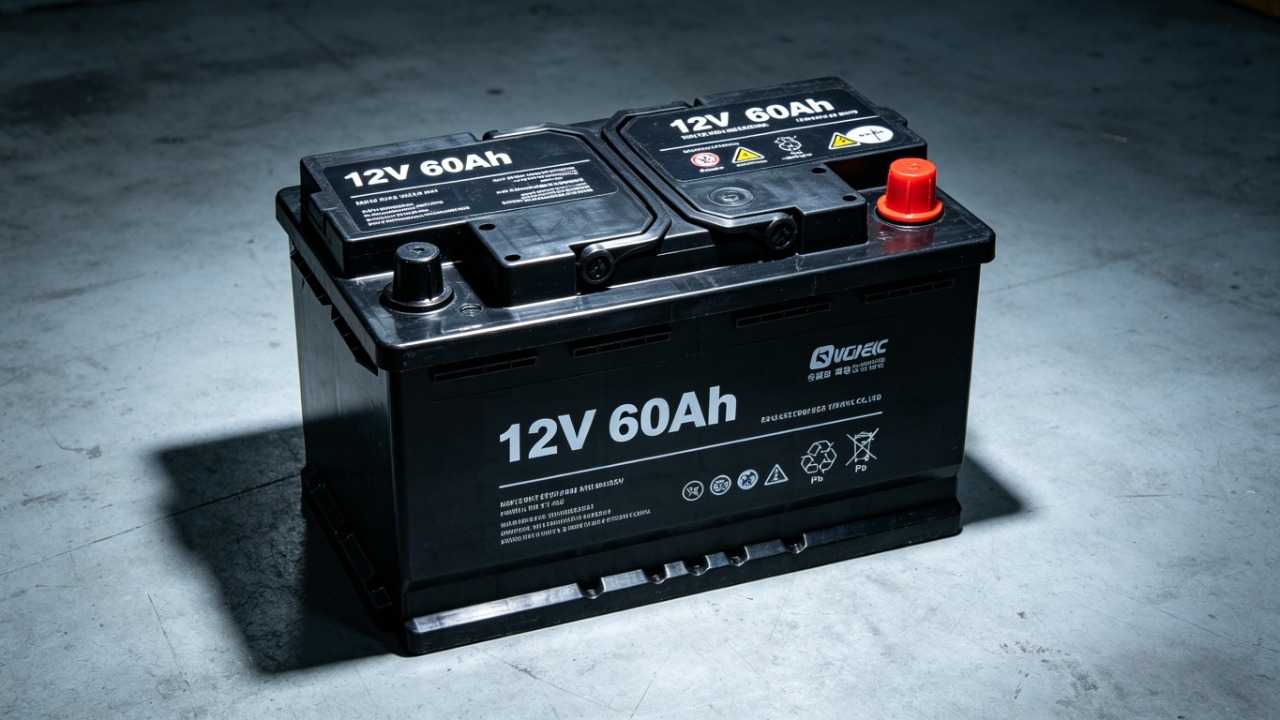
1. The Chemical Core: Battery & Alternator
These are "Fluid & Chemical" components that form the heart of your electrical system. Unlike purely mechanical parts, they typically fail based on a "Double Lock" of both total mileage and the passage of time.
- Maintenance: Regularly inspect the battery for a "swollen" case or a distinct "rotten egg" smell, which indicates internal failure.
- Pro-Tip: If your battery terminals show a green or white crust, you are seeing acid oxidation. Clean this immediately on vehicles like the Nissan Altima to prevent high resistance that can mimic a failing starter.
2. The Electronic Sensors: Relays & Safety Switches
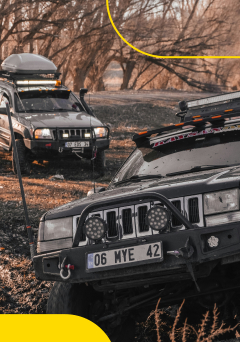
These "Electronic & Sensing" parts, common in versatile models like the Jeep Grand Cherokee, do not have a fixed replacement interval. Instead, they fail gradually due to heat, dust, or internal performance decay.
- Maintenance: Utilize OBD data streams to monitor real-time voltage response.
- Early Warning: If your Ford F-150 starts in "Neutral" but refuses to turn over in "Park," your Neutral Safety Switch is failing to send a clear signal.
3. The Structural Assembly: The Starter Motor
The starter is a "Structural Assembly" that houses several categories: the motor itself (structural), internal brushes (wearable), and the solenoid (electronic).
- Diagnostic Point: Use the "Tap Test". If tapping the starter with a mallet allows the vehicle to start, the internal Carbon Brushes are 100% depleted and require immediate attention.
- Visual/Audio Check: Listen for unusual "grinding" (indicating mechanical failure) or "hesitation" (pointing to electronic decay) during the ignition cycle of your Chevrolet Silverado.
4. The Flexible Connections: Battery Cables & Hangers
Often the most ignored components, battery cables are "Flexible & Rubber" parts. They fail primarily due to environmental exposure and simple aging.
- Maintenance: Inspect all cables for cracks, excessive stiffness, or a loss of "spring-back" elasticity.
- Management Insight: On heavy-duty vehicles like the Ram 1500, these connections are a leading cause of "false failures" and repair shop comebacks.

System Summary: The Maintenance "Lock-In"
| Component Category | Failure Driver | Key Diagnostic Action |
|---|---|---|
| Wearable (Brushes) | Mileage | The "Tap" Test |
| Chemical (Battery) | Time + Mileage | Voltage & Fluid Level |
| Flexible (Cables) | Age (Years) | Visual check for Cracks |
| Electronic (Relay) | Performance Decay | OBD Data / Relay Swap |
By following this professional maintenance logic, you ensure your starting system remains robust across all seasons and driving conditions.
Disclaimer: Our Mechanic Advisor provides information for educational purposes only and not as professional automotive advice. DIY repairs involve risks. If unsure, consult a certified mechanic. We guarantee part fitment based on your selected vehicle details, but are not responsible for misdiagnosis or damage resulting from use of this guide.