
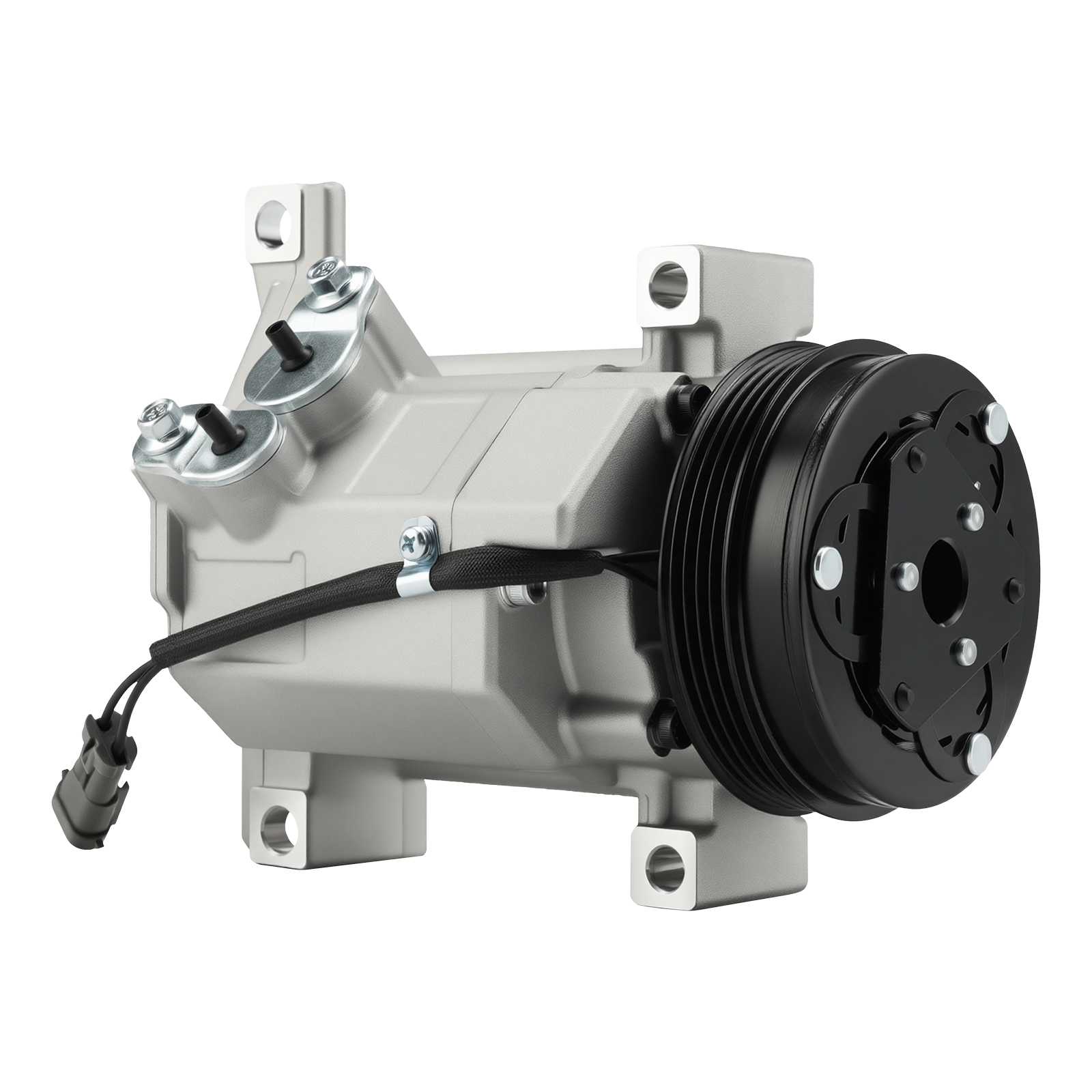
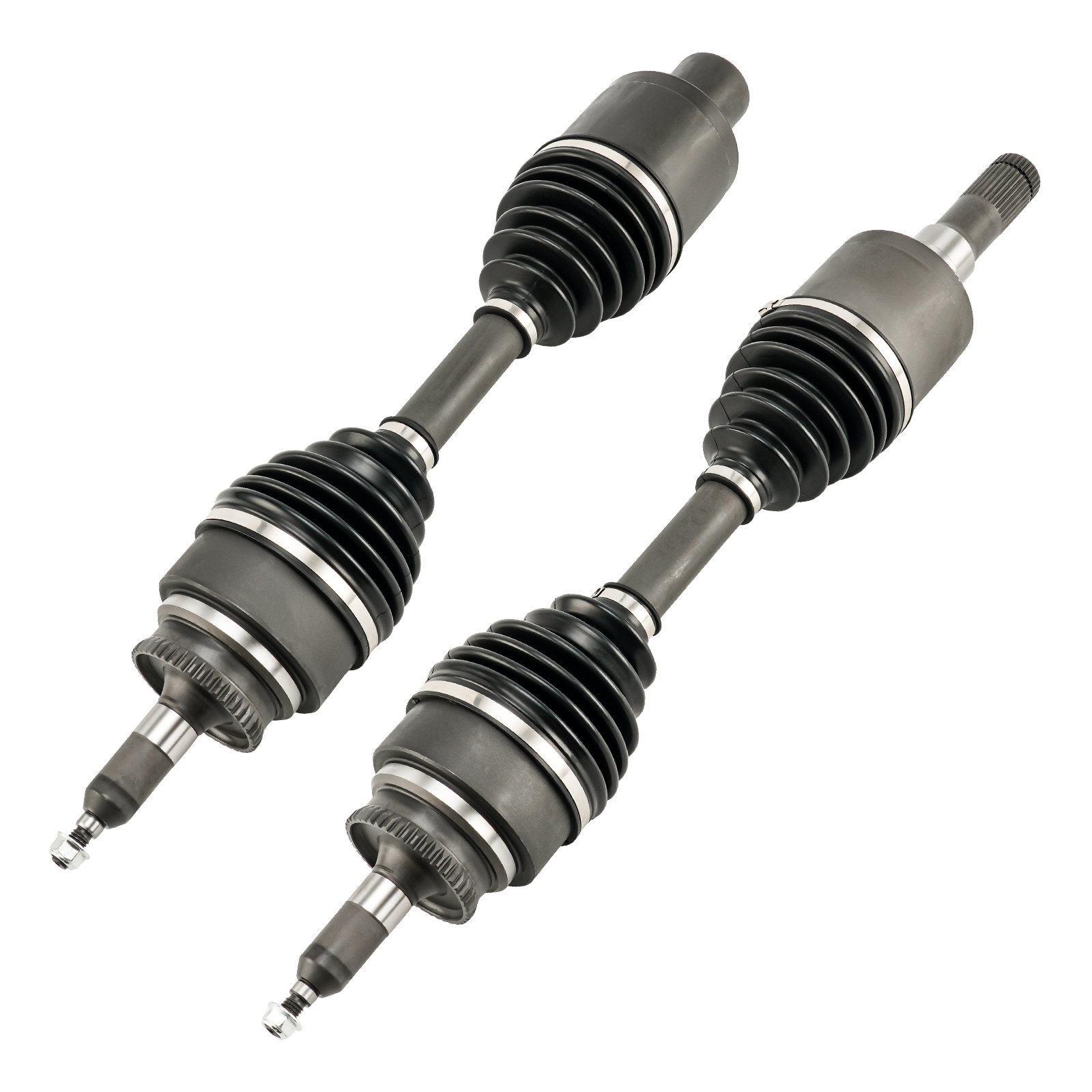



Save $500+ on Starter & Alternator Replacement: Mechanic's DIY Guide
When your car won't start, you are faced with a choice: tow it to a shop or fix it yourself. Most drivers don't realize that the "convenience" of a mechanic comes with a 500% to 900% markup. Here is the breakdown of why an All-in-One Solution is the only logical financial choice.
1. The Financial Reality Check: DIY vs. The Shop
In North America, the average shop labor rate is between $120 and $200 per hour. A standard starter or alternator replacement for common vehicles like a Ford F-150 or Honda Civic typically takes 1.5 to 3 hours.
Beyond labor, you face two "hidden" costs:
- The Shop Markup: Most shops mark up the price of parts by 50% to 100% above retail.
- The Diagnosis Fee: Even if you decide not to do the repair, just stepping into a shop usually costs a $100 "Diagnostic Fee".
Total Savings: By purchasing a high-quality unit and spending an afternoon in your garage, you save between $500 and $900 in labor and surcharges.
2. Professional Value: More Than Just a Box
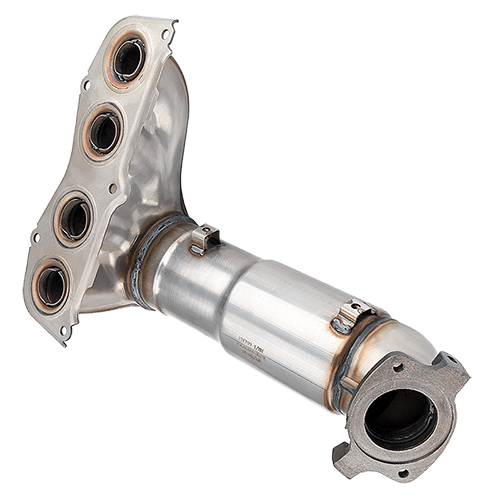
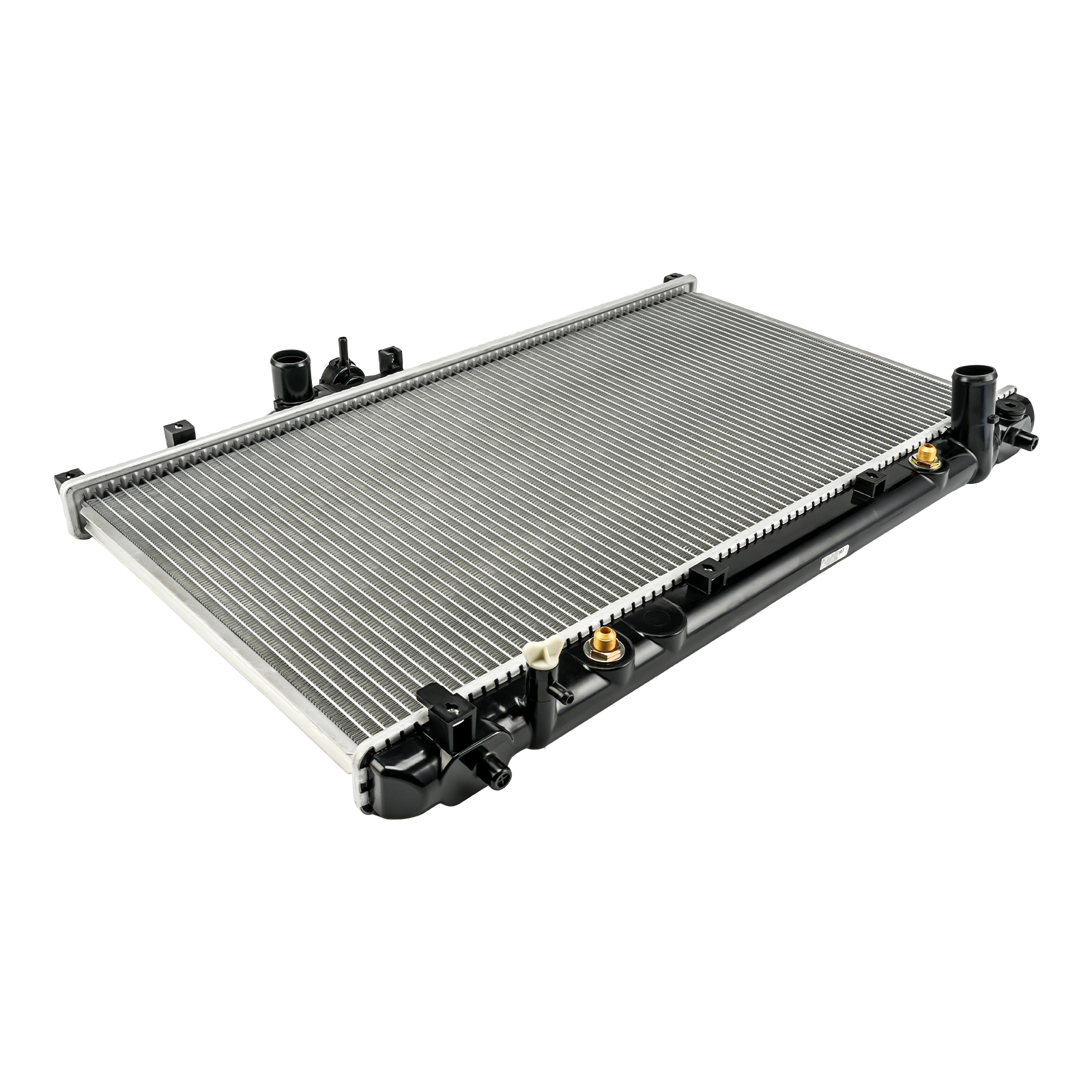
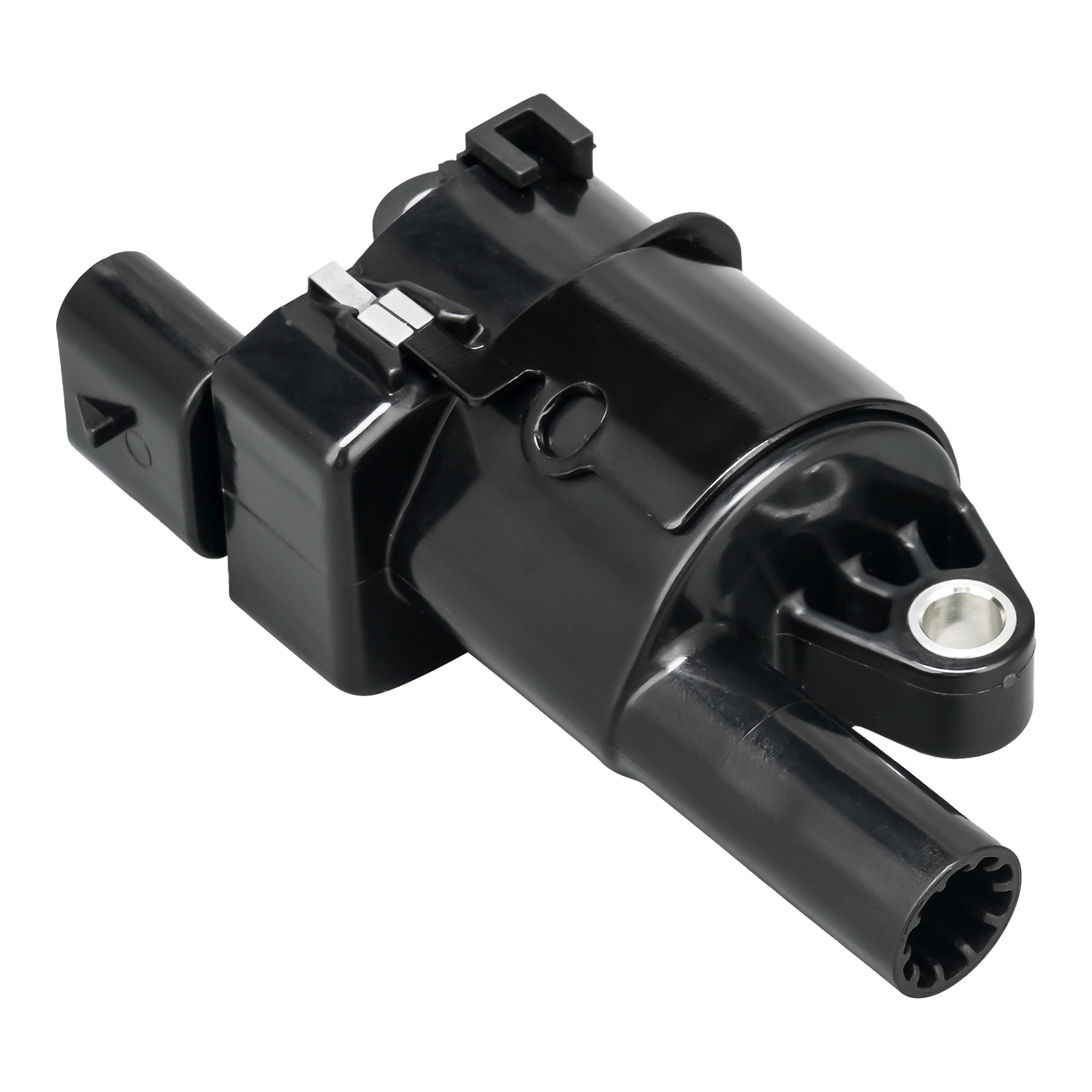
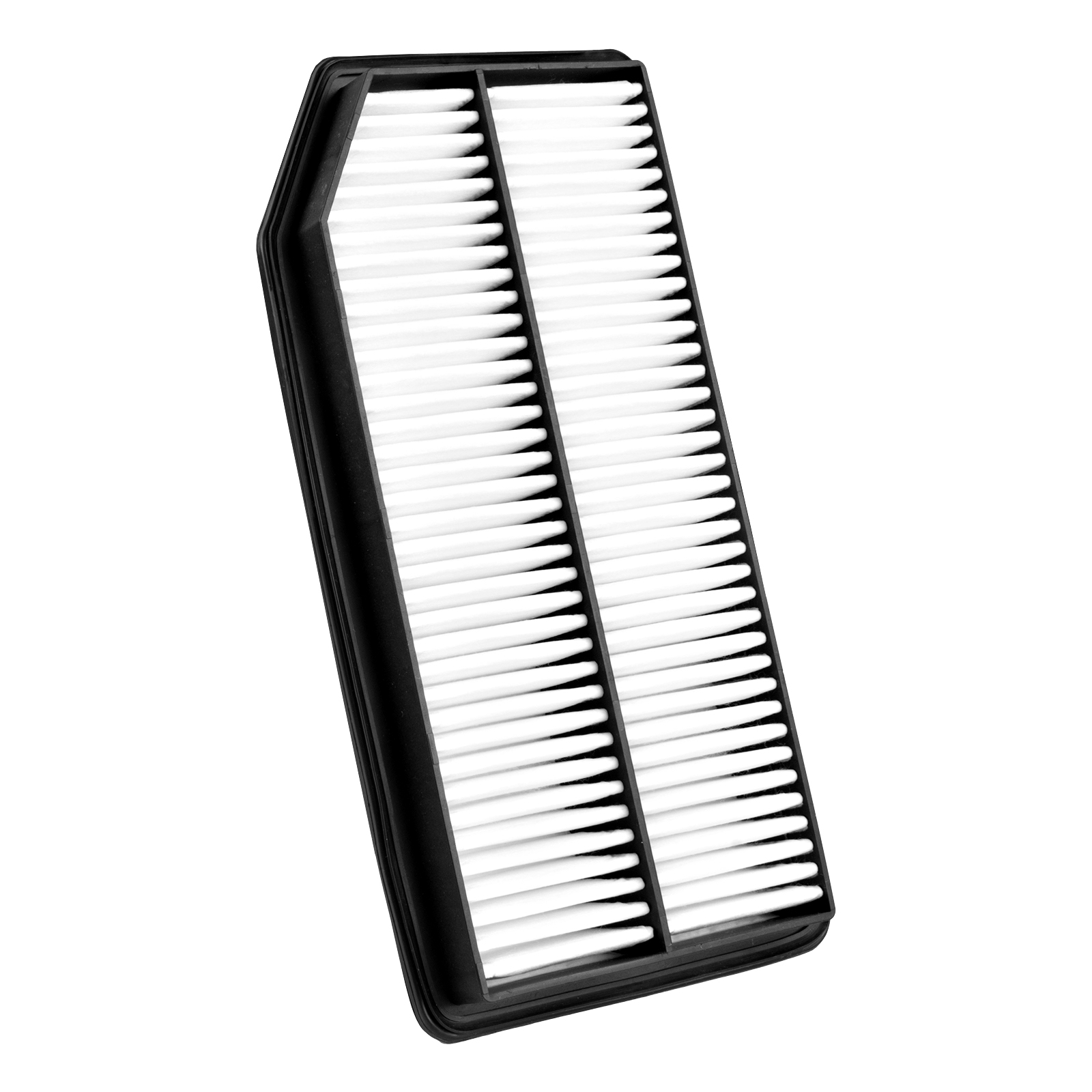
Low-cost competitors often sell you a "bare" motor. A true All-in-One Solution is designed for efficiency:
- Integrated Hardware: These kits include the necessary gaskets or hardware that other brands force you to buy separately at stores like AutoZone.
- Precision YMM Fitment: Using Year/Make/Model (YMM) data, these parts are engineered for a Direct-Fit across 10,000+ SKUs. Whether you drive a Chevy Silverado or a Toyota Camry, precise fitment eliminates the "hidden cost" of wasted time and return shipping caused by universal parts that don't actually fit.
- Expert Knowledge: Every professional-grade part should come with a standardized Diagnostic Guide—technical support that ordinary retailers simply don't provide.
3. Risk Mitigation: The Cost of Doing it Wrong
The most expensive repair is the one you have to do twice. It is critical to intercept risks before they cost you money:
- The Cost of Misdiagnosis: If you replace a starter on a Jeep Grand Cherokee without checking for a seized engine or a "poisoned" battery cable, you risk burning out your new part and paying for labor all over again.
- The "Cheap Part" Trap: Low-end alternators often use inferior voltage regulators that fail within months. This leads to double the labor costs and the frustration of another breakdown.
- Financial Protection: A solid warranty is designed to protect high-value structural components, giving you long-term asset security that "no-name" parts lack.
Final Verdict: Is it Worth It?
The numbers speak for themselves:
- Save $500+ on labor and shop markups.
- Save Time with an all-inclusive kit that prevents extra trips to the parts store.
- Avoid Rework with pro-level diagnostic guidance and guaranteed YMM accuracy.
Take control of your vehicle's health today and keep your hard-earned money where it belongs—in your pocket.
Disclaimer: Our Mechanic Advisor provides information for educational purposes only and not as professional automotive advice. DIY repairs involve risks. If unsure, consult a certified mechanic. We guarantee part fitment based on your selected vehicle details, but are not responsible for misdiagnosis or damage resulting from use of this guide.