


Steering System Maintenance 101: How to Avoid a $1,000 Repair Bill | DIY Guide
To keep your vehicle's steering precise and safe, you must look beyond the names of the parts and understand their "Failure Logic". A modern steering system is a hybrid of hydraulic power, mechanical structure, and rubber sealing. Here is how to maintain each layer like a professional.
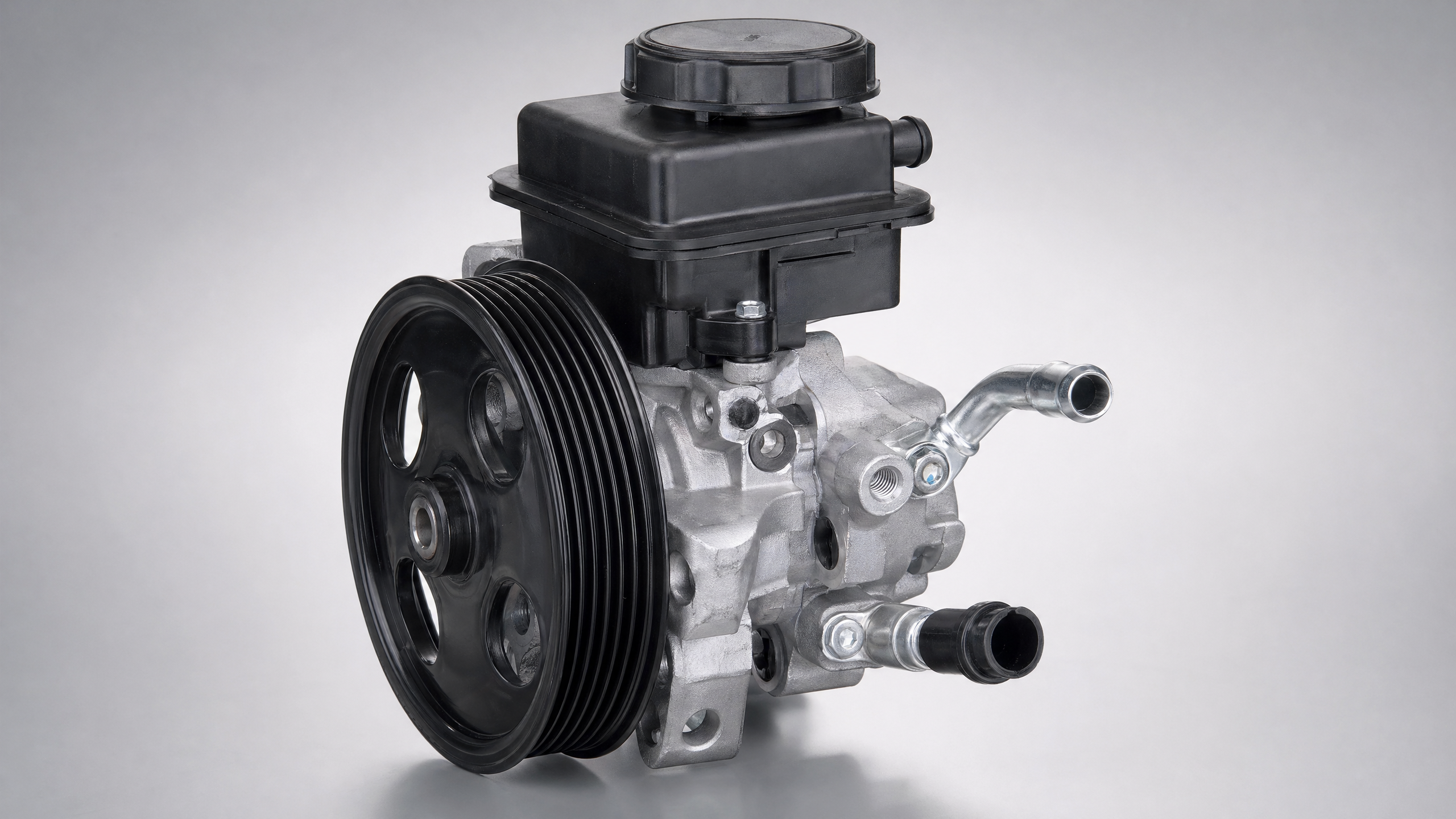
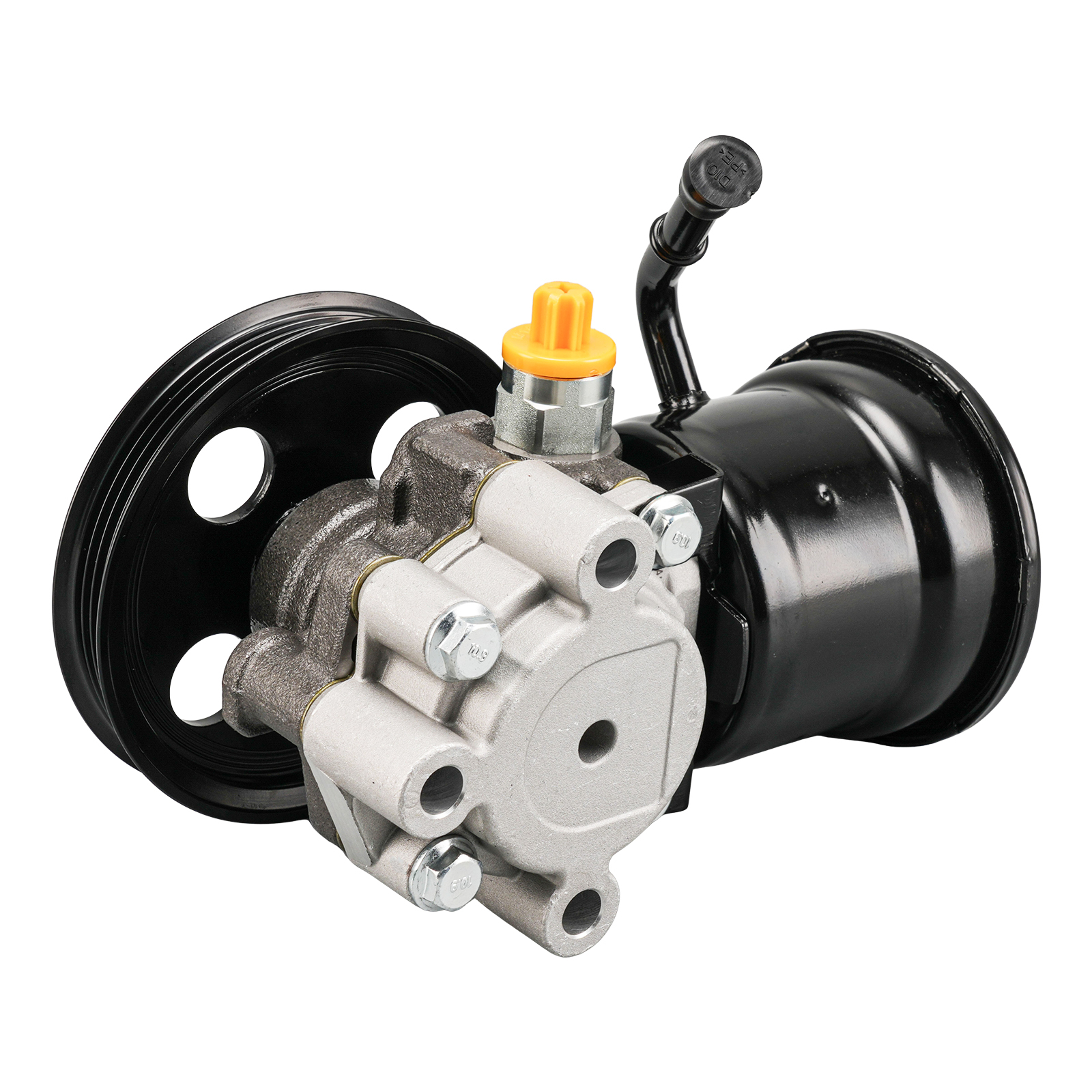
1. The Power Steering Pump: Managing the "Heart"
The pump is a functional assembly that relies on two external factors for survival: fluid and the drive belt.
- Fluid & Chemical Layer (The Vital Blood): Power steering fluid is subject to the "Double-Locking Rule"—it fails based on both mileage (wear) and time (oxidation). Whether you are driving a high-mileage Ford F-150 or a commuter Toyota Camry, the chemistry remains the same.
- Maintenance Action: Check for fluid clarity. If the fluid is dark, opaque, or smells burnt, perform a full system flush. Using the wrong fluid type can destroy internal seals within weeks.
- Consumables Layer (The Drive Belt): The pump is driven by a serpentine belt that wears out 100% based on mileage.
- Maintenance Action: Inspect the belt for cracks or glazing. A snapped belt leads to an immediate loss of power assistance.
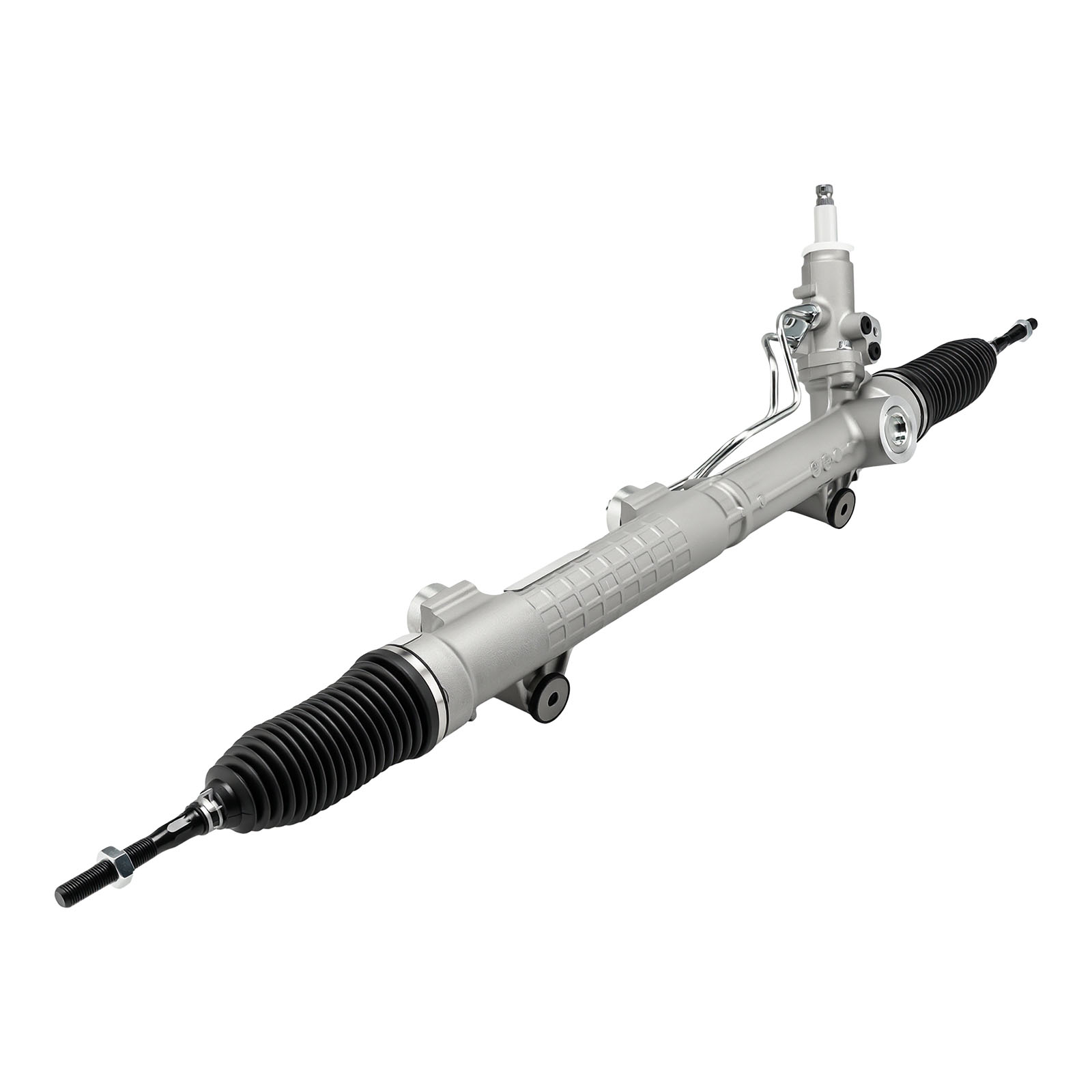
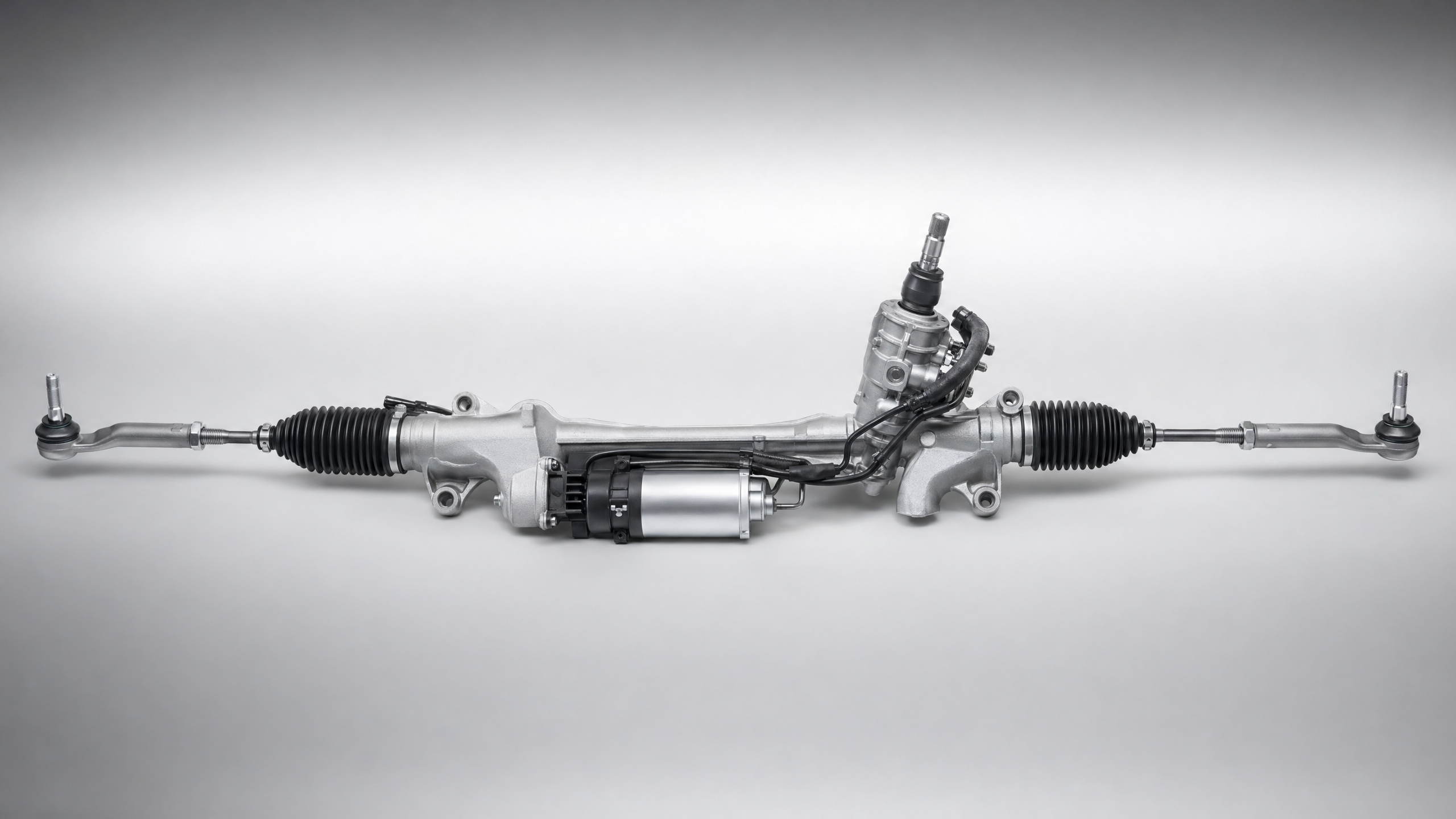
2. Steering Rack & Pinion: Protecting the "Skeleton"
The steering rack is a structural assembly protected by vulnerable "soft" components. For common vehicles like the Honda Civic, these rubber parts are the most frequent point of failure.
- Flexible & Rubber Layer (The Protective Bellows): These rubber dust boots fail primarily due to age and environmental exposure, not mileage. Once they crack, dirt enters the precision gears.
- Maintenance Action: Inspect boots for tears or "oil soaking". If the boot is wet, an internal seal has failed, and the rack must be replaced.
- Mounting Bushings (Vibration Logic): These rubber mounts absorb road shock. Like all rubber, they harden and lose their "rebound" over time.
- Maintenance Action: If you feel "steering wander," check the bushings for rot or excessive movement.
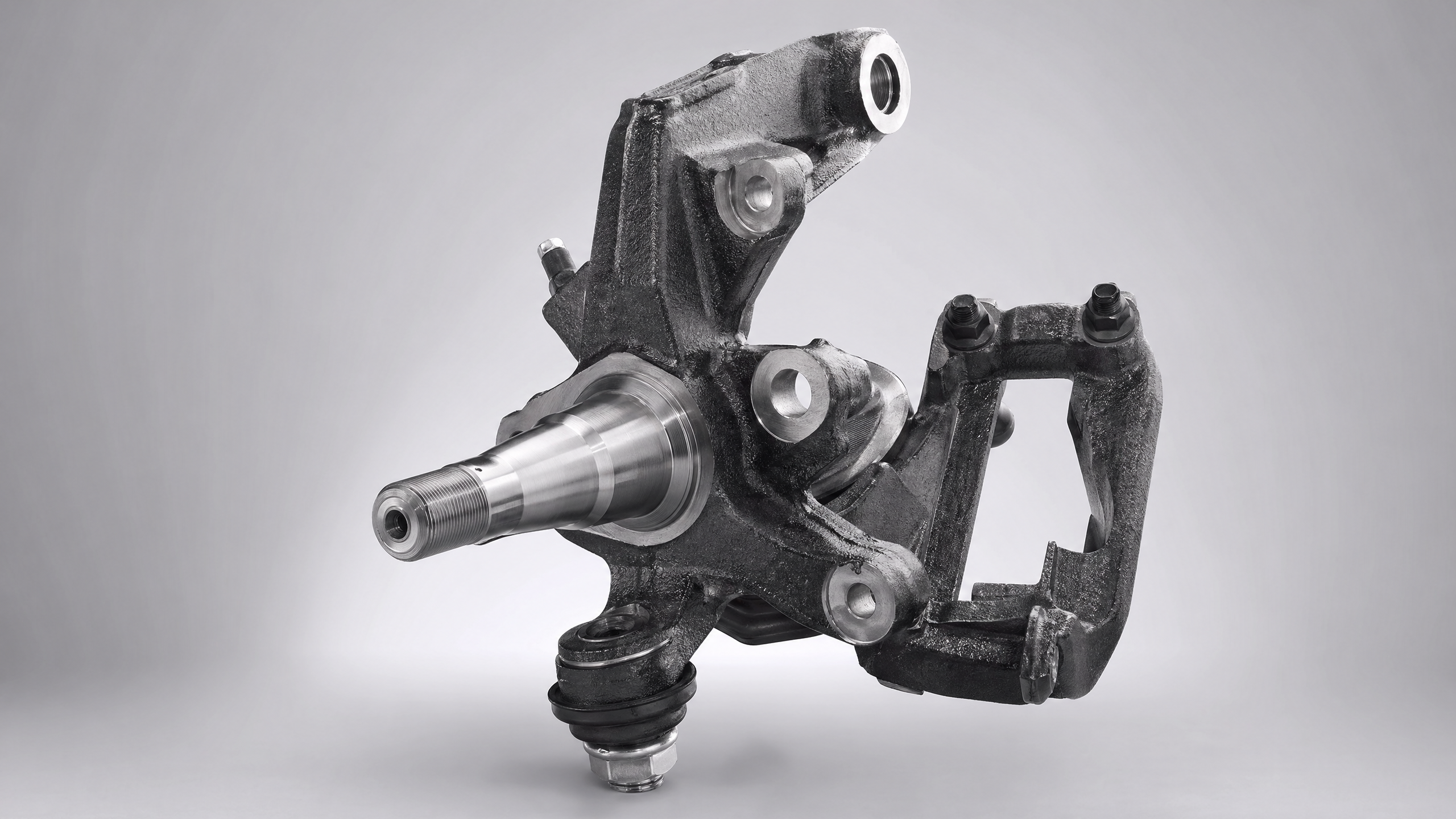
3. Steering Knuckle & Hub: The "Pivot Hub"
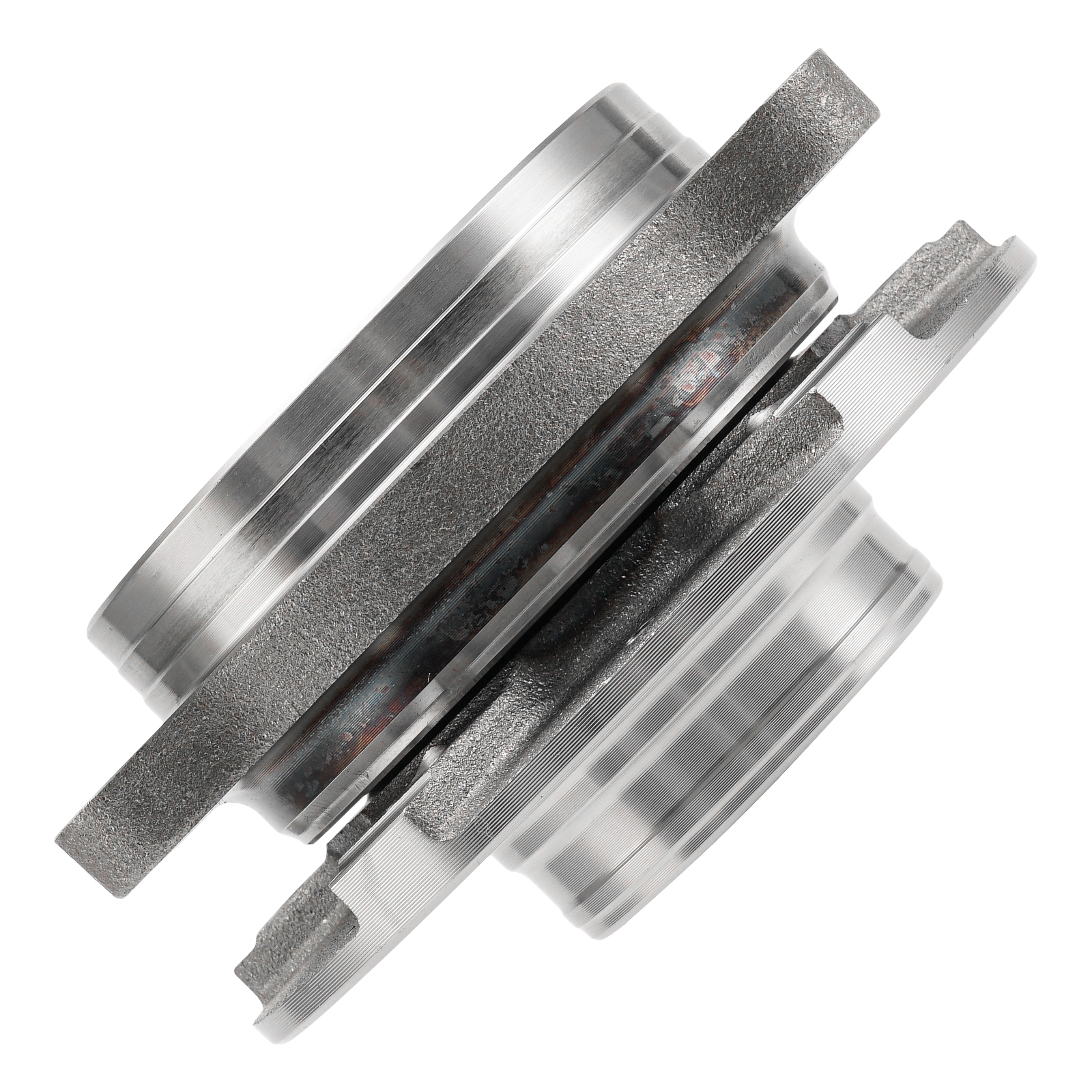
The steering knuckle is a structural and power component that bears the vehicle's weight and high torque.
- Wheel Bearing (Mechanical Wear): The bearing inside the knuckle is a high-load mechanical part that fails based on mileage and impact.
- Maintenance Action: Listen for a "humming" or "growling" noise that increases with speed. If you feel vibration through the steering wheel, the hub unit may be nearing its end of life.
- Corrosion Management: As a cast iron or aluminum piece, it is subject to road salt and moisture.
- Maintenance Action: During brake service, inspect the knuckle for heavy scaling or cracks, especially at the tie-rod and ball joint mounting points.
4. Tie-Rod Ends & Linkages: The "Joints"
Tie-rods are classic wear items (consumables). Their lifespan is determined by every turn and bump you encounter.
- Maintenance Action: Perform a "Dry Park Check" by shaking the wheel while the vehicle is on the ground. Any "play" or clicking noise indicates the ball joint has reached its mileage limit and needs replacement to prevent uneven tire wear.
The Professional Maintenance Summary
| Component Group | Classification | Primary Failure Trigger | Key Diagnostic Point |
|---|---|---|---|
| Pump & Fluid | Chemical / Functional | Time & Mileage | Fluid Color & Transparency |
| Rack & Boots | Structural / Flexible | Age (Rubber Decay) | Boot Integrity (No Leaks) |
| Knuckle & Hub | Structural / Power | Mileage & Impact | Bearing Noise & Hub Play |
| Tie-Rods | Consumables | Mileage (Wear) | Joint Play & Vibration |
Pro Tip: Your steering rack's high-value seals often fail because of "upstream" neglect. Changing your fluid regularly (the Chemical layer) is the single most effective way to prevent a multi-hundred dollar rack replacement.
Disclaimer: Our Mechanic Advisor provides information for educational purposes only and not as professional automotive advice. DIY repairs involve risks. If unsure, consult a certified mechanic. We guarantee part fitment based on your selected vehicle details, but are not responsible for misdiagnosis or damage resulting from use of this guide.