




How to Replace a Steering Rack and Pinion Without Leaks or Alignment Issues | DIY Guide
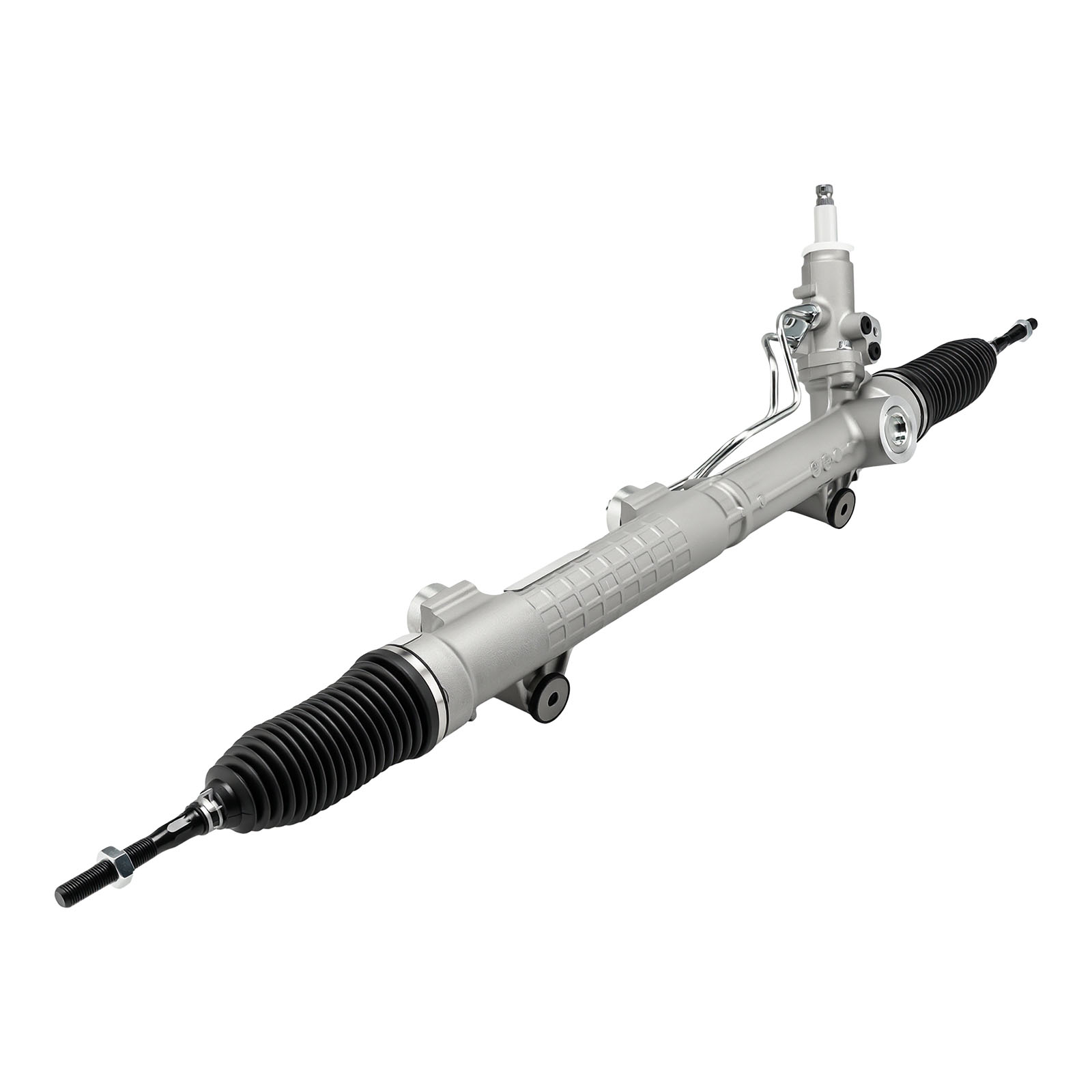
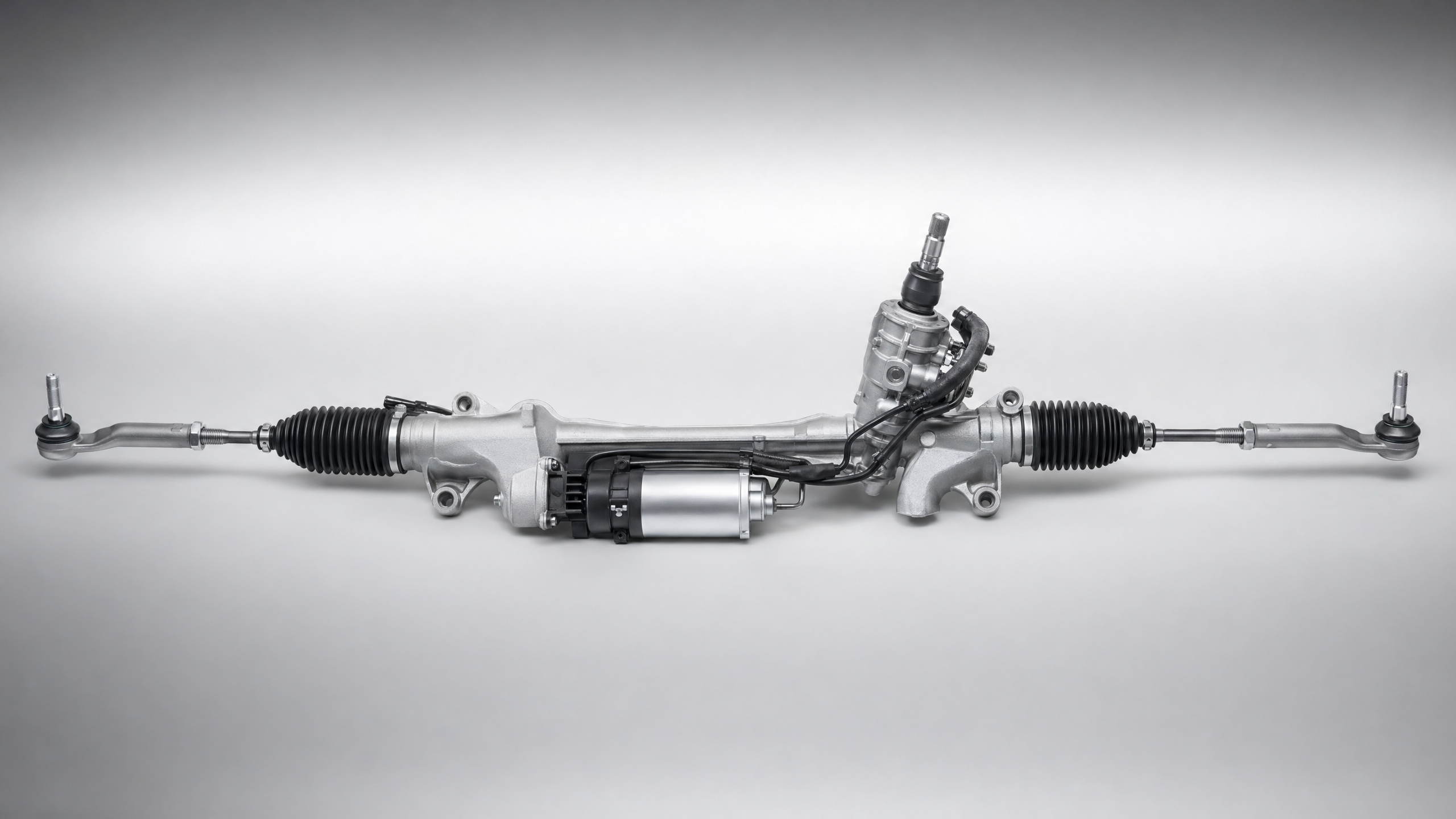
Replacing a steering rack is a rewarding project that restores your vehicle's handling and safety. Because this component is both a structural part and a hydraulic sealer, it requires a balance of heavy-duty work and surgical cleanliness.
Follow this 6-step professional guide to ensure your DIY repair is successful on the first try.
Step 1: Get Your Gear Ready (The Tool Logic)
Preparation is the foundation of safety. Before you start, ensure you have the following:
- Physical Gear: Heavy-duty jack stands, a torque wrench, and a "pickle fork" or tie-rod puller.
- YMM Tip: If you are working on a 2007-2013 Chevy Silverado or a similar full-size truck, ensure your jack stands are rated for the vehicle's weight, as you may need to support the subframe.
- Fluid Prep: New OEM-spec power steering fluid and lint-free shop towels to keep the hydraulic system pristine.
Step 2: Map the Original Setup (The Orientation Logic)
Before removal, create a "Mirror Map" of the original setup:
- Centering: Lock your steering wheel in the straight-ahead position using a wheel holder or seat belt. This is critical to prevent damaging the Clock Spring inside the steering column.
- Routing: Note the exact path of the high-pressure lines and the angle of the steering column input shaft. On many Honda Accord models, the line routing is tight, so a quick photo can save you an hour of frustration during reassembly.
Step 3: Clean & Soak (The Prep Strategy)
- Cleanliness: Scrub the area around the hydraulic fittings with a wire brush and degreaser. Any dirt entering the lines will destroy your new rack's internal valves.
- Chemical Aid: Soak the mounting bolts and tie-rod ends in penetrating oil for at least 30 minutes to combat rust. This is a must-do for older Ford F-150s or vehicles from the "rust belt."
Step 4: Remove the Old Rack (The Removal Strategy)
To keep the job organized, follow this sequence:
- Disconnect the tie-rod ends from the steering knuckles.
- Drain the fluid and disconnect the hydraulic lines from the rack.
- Loosen the steering column intermediate shaft bolt.
- Finally, remove the main mounting bolts and carefully extract the old rack.
Step 5: Install the New Rack (The Precision Integration)
This is the most critical stage where "point-to-point" accuracy matters.
- Surface Prep: Use a wire brush or sandpaper to clean the mounting surfaces on the vehicle frame until they are smooth.
- Wet Sealing: Apply a thin layer of fresh power steering fluid or clean grease to the new O-rings before seating the hydraulic lines. This prevents "dry-tearing" during installation.
- Hand-Start Only:CRITICAL: Do not use power tools yet. Hand-thread the mounting bolts and the hydraulic line nuts for at least 3 to 5 full turns. This eliminates the risk of cross-threading, especially on aluminum components found in Toyota Camry subframes.
- Torque to Value: Once hand-tight, use your torque wrench to meet the manufacturer's specific pound-feet (lb-ft) requirements.
Step 6: Bleed the Air & Test (The Validation Loop)
- Static Bleed: Fill the reservoir. With the engine OFF, turn the steering wheel lock-to-lock 20 times to push air out of the system.
- Leak Check: Start the engine and inspect every fitting for "sweating" or drips under pressure.
- Final Alignment: A professional wheel alignment is mandatory immediately after installation to ensure your tires don't wear prematurely.
Avoid These Common "Fitment Traps"
Before you start, double-check these details to avoid the "double labor" of an incorrect part:
- Driver's Perspective: Always identify "Left" or "Right" based on the view from the driver's seat, not while standing in front of the car.
- Speed-Sensitive Solenoids: Check if your original rack has an electrical plug for variable-assist steering. A standard hydraulic rack will not work on a speed-sensitive vehicle.
- AWD vs. FWD: All-Wheel Drive models (like the AWD Toyota Sienna) often have differently shaped rack housings to clear the transfer case.
- Drivetrain Differences: Confirm if your transmission is Manual (MT) or Automatic (AT), as this can affect the clearance and mounting points of the rack.
Why These Details Matter
Taking the time to prep your surfaces and hand-thread your fittings ensures that your new steering rack performs exactly like the original part. By following these steps, you're not just replacing a component—you're restoring the precision and safety of your vehicle's handling for the long road ahead.
Disclaimer: Our Mechanic Advisor provides information for educational purposes only and not as professional automotive advice. DIY repairs involve risks. If unsure, consult a certified mechanic. We guarantee part fitment based on your selected vehicle details, but are not responsible for misdiagnosis or damage resulting from use of this guide.