

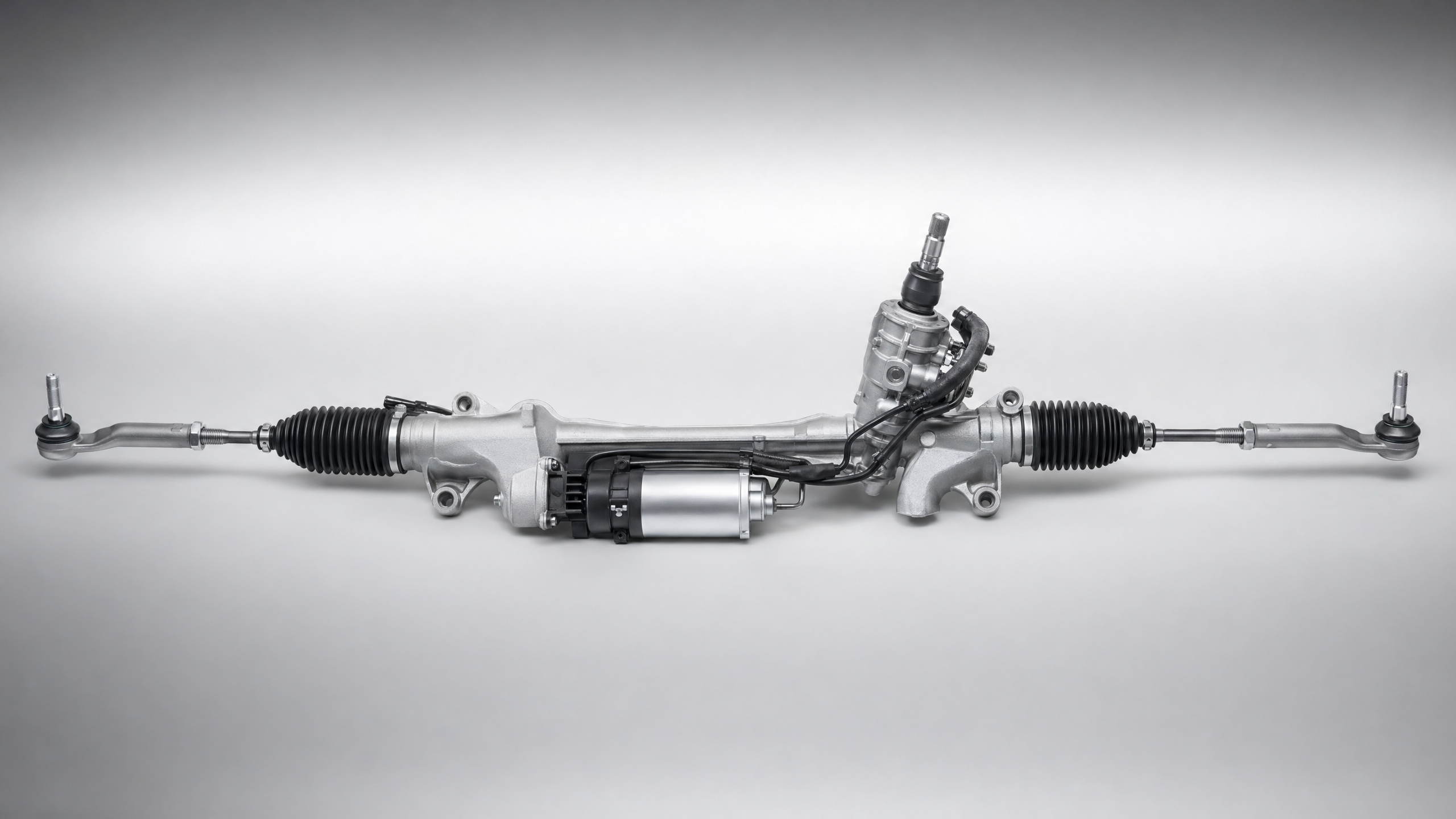
When your vehicle's steering feels "off," it's easy to blame the steering rack immediately. However, the steering system is a complex network of hydraulic lines, mechanical linkages, and electronic sensors. Misdiagnosis is common—and expensive.
Before ordering a new Steering Rack and Pinion, follow this 6-Point Diagnostic Checklist to confirm if the fault lies within the rack or a "distractor" component like the pump, belt, or hoses.
Red Flags for Drivers
Recognizing these symptoms is the first step toward a successful repair:
- Fluid Leaks: Puddles of red or pink fluid under the front of the car.
- "Morning Sickness": Stiffness in the steering wheel when cold that disappears once the car warms up.
- Unusual Noises: Grinding, clicking, or high-pitched whining when turning.
- Wandering Steering: The car feels loose or requires constant corrections to stay straight.
The 6-Point Diagnostic Checklist
1. Is This a Project You Can Handle?
Before starting, assess the project's depth. Replacing a steering rack is an "External Attachment" task suited for DIYers with standard tools. However, if the job requires dropping the entire engine subframe, it shifts to a professional repair.
2. Ruling Out the "Simple Fixes"
Many symptoms that feel like a bad steering rack actually come from upstream components:
- The "Squeal" (Serpentine Belt): A sharp "squeak" when turning is often just a loose or worn Serpentine Belt—the cheapest fix.
- The "Moan" (Fluid & Air): A low-pitched "moan" or "whine" often indicates low Power Steering Fluid or air in the lines.
- Vehicle Specifics: Check reservoir levels first; a 2005 Honda Accord has very different fluid requirements than a 2012 Ford F-150.
- Upstream Leaks: Inspect Pressure Hoses for aging or leaks at crimp joints. Always replace the assembly rather than patching it.
3. Checking the Dash and Electrical Signals
- DTC Analysis: Scan for codes like P0550 (Pressure Sensor circuit).
- Modern EPS Alert: On Electric Power Steering (EPS) vehicles like a 2018 Toyota RAV4, if steering becomes heavy, check the fuses, battery voltage, or the motor before touching the rack.
4. The "Morning Sickness" Test
If your steering is heavy when cold but eases once the engine heats up, the internal rack seals have hardened. This is a classic sign that you must replace the Steering Rack.
5. Looking for Physical Proof
- The Bellows Boot Test: Rubber bellows boots aren't designed to seal oil. If the outside of the boot is "soaked," the internal seals of the rack have failed.
- Rack Bushings: On trucks like a 2010 Dodge Ram 1500, inspect the Rubber Rack Bushings. If they are perished, the rack assembly will shift when turning, mimicking a mechanical failure.
6. Making the Call: Product Selection
| Diagnostic Conclusion | Recommended Solution | Essential Accessories |
|---|---|---|
| Wet Bellows Boots / Morning Sickness | New Steering Rack & Pinion | Power steering fluid, O-rings |
| Leaking Pressure Hose | Pressure Hose Assembly | Flare Nut Wrench |
| Squealing Belt | Serpentine Belt | Belt tensioner (if needed) |
| Clunking (Dry Park Test) | Outer Tie Rods / Sway Bar Links | Alignment service |
Important Vehicle Variations
- Hydraulic vs. Electric: Hydraulic systems (like the 2003-2007 Accord) rely on fluid and are prone to leaks, while EPS systems are sensitive to electrical health.
- Trucks vs. Cars: For trucks, perform a "Dry Park Check" (shaking the wheel while the car is on the ground) to see which joint is loose. On many pickups, the Idler Arm typically wears out faster than the Pitman Arm.
By following this diagnostic loop, you move from "parts changing" to "root-cause engineering," ensuring your repair is a permanent fix.