






Engine Mount Installation Guide | 6-Step Pro DIY Replacement Protocol
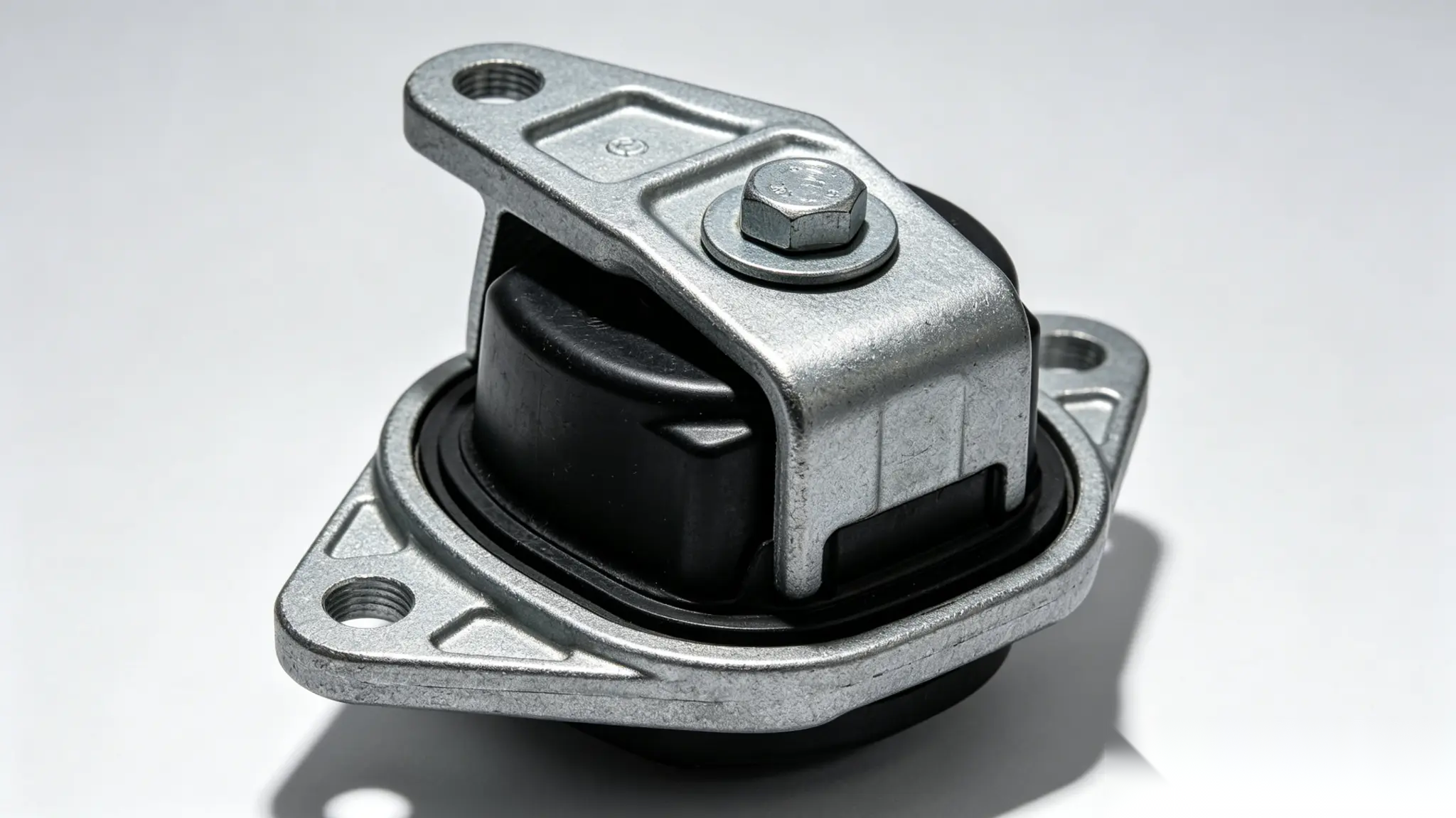
So you’ve got your new Engine mounts. Whether you are restoring the smooth idle of a Honda Civic, tackling a "clunking" gear shift on a Jeep Grand Cherokee, or performing a high-torque upgrade on a VW Jetta, the installation is the "make or break" moment for your drivetrain’s structural integrity.
To ensure a "First-Time Fix" without damaging your radiator or snapping a frame bolt, follow this specialized 6-Step Mechanic Advisor Protocol.
Step 1: The Tool Audit – Do You Have the "Right Arsenal"?
Don't start the job only to realize you can't support the engine's massive weight. You are dealing with Structural & Power components that require heavy-duty gear.
- The Support System: A floor jack with a sturdy wood block (to protect the oil pan) or a top-side engine support bar is non-negotiable.
- The Breaker Factor: Engine mount bolts endure high-torque loads; you will need a long breaker bar or an impact wrench to crack them loose.
- Pro Tip: If you are working on a Subaru Outback (Boxer engine), ensure your jack is centered to avoid tipping the engine asymmetrically.
Step 2: Orientation Logic – Mapping the "Structural Offset"
Before you pull the old mount, record its exact geometry.
- Bracket Mapping: Use your phone to snap a photo of the original mount's orientation. Note if the bracket offset faces the front or rear of the vehicle.
- Keying It In: Identify the locating tabs or pins on the new mount. On a Mazda 3, missing a locating pin by even a few millimeters can cause persistent cabin vibration.
Step 3: Risk Isolation – Pre-Treatment for Heat-Seized Bolts
Engine mounts are exposed to road salt and extreme thermal cycles. Preparation prevents the nightmare of a snapped bolt.
- Electronic Safety: Disconnect the negative battery terminal. Since you are working near the alternator or starter, this stops accidental shorts.
- Chemical Support: Apply penetrating oil to all frame fasteners at least 30 minutes before removal.
- The Air Blast: Use compressed air to blow dirt away from the mounting threads on a Hyundai Sonata before extraction to prevent "crunchy" thread damage.
Step 4: Strategic Teardown – The "Load-First" Principle
Removing a mount without proper support will cause the engine to drop, potentially crushing your hands or the radiator.
- Decoupling Order: Use your jack to take the weight off the mount before loosening the bolts.
- The Exit Sequence: Remove the engine-side through-bolt first, then the frame-side bolts.
- Safety Threshold: Never force the engine up more than an inch or two; you risk snapping radiator hoses or straining the wiring harness.
Step 5: The "Pro-Fit" Execution – Precision Integration
This is where 90% of DIY mistakes happen, leading to stripped threads and engine misalignment.
- Surgical Clean: Use a wire brush to clean the engine bracket and vehicle frame until they are surgically clean.
- Hand-Start Only: Place the new mount in position and hand-thread every bolt 3–5 full turns first. This is the only way to prevent a $2,000 mistake of cross-threading into the engine block.
- Natural Settlement: Slowly lower the engine until the mount holes align perfectly; do not force the bolts in—the engine should "settle" naturally.
- Final Torque: Use a Torque Wrench to reach factory specifications. Loose mounts will vibrate loose, while over-tightened bolts can shear under load.
Step 6: The "Verification Loop" – Validating the Seal
The hardware is in, but you must verify the structural stability before hitting the highway.
- Static Load Test: With the hood open, shift from Park to Drive and Reverse while holding the brake. Observe the engine—it should remain stable without the previous "lurching".
- Hydraulic Check: If your vehicle uses Hydraulic (fluid-filled) mounts, ensure you didn't puncture the rubber boot during Step 5.
- Vacuum Reset: On high-end models with vacuum-actuated mounts, double-check that all vacuum lines are reconnected to avoid a "Check Engine" light.
Why This Logic Works for Your Vehicle
By following this 6-step logical protocol, you ensure a professional-grade repair that keeps your drivetrain secure. Whether you have a Transverse FWD setup with tight clearance or a Vacuum-Actuated high-performance system, Here we offer top-quality products. hardware is designed to restore that "new car" quiet to your cabin.
Disclaimer: Our Mechanic Advisor provides information for educational purposes only and not as professional automotive advice. DIY repairs involve risks. If unsure, consult a certified mechanic. We guarantee part fitment based on your selected vehicle details, but are not responsible for misdiagnosis or damage resulting from use of this guide.