

Engine Longevity 101: Strategic Maintenance Guide for Core Engine Components
Engine Longevity 101: The Strategic Maintenance Guide for Your Core Components
In the world of automotive care, parts don't just fail by "accident". They fail based on two predictable factors: Mileage (Wear) and Time (Aging). Understanding the "failure logic" of your engine components is the difference between a reliable daily driver and an expensive roadside breakdown. Based on a 5-Dimensional Component Classification system, here is how to strategically maintain your key engine parts.
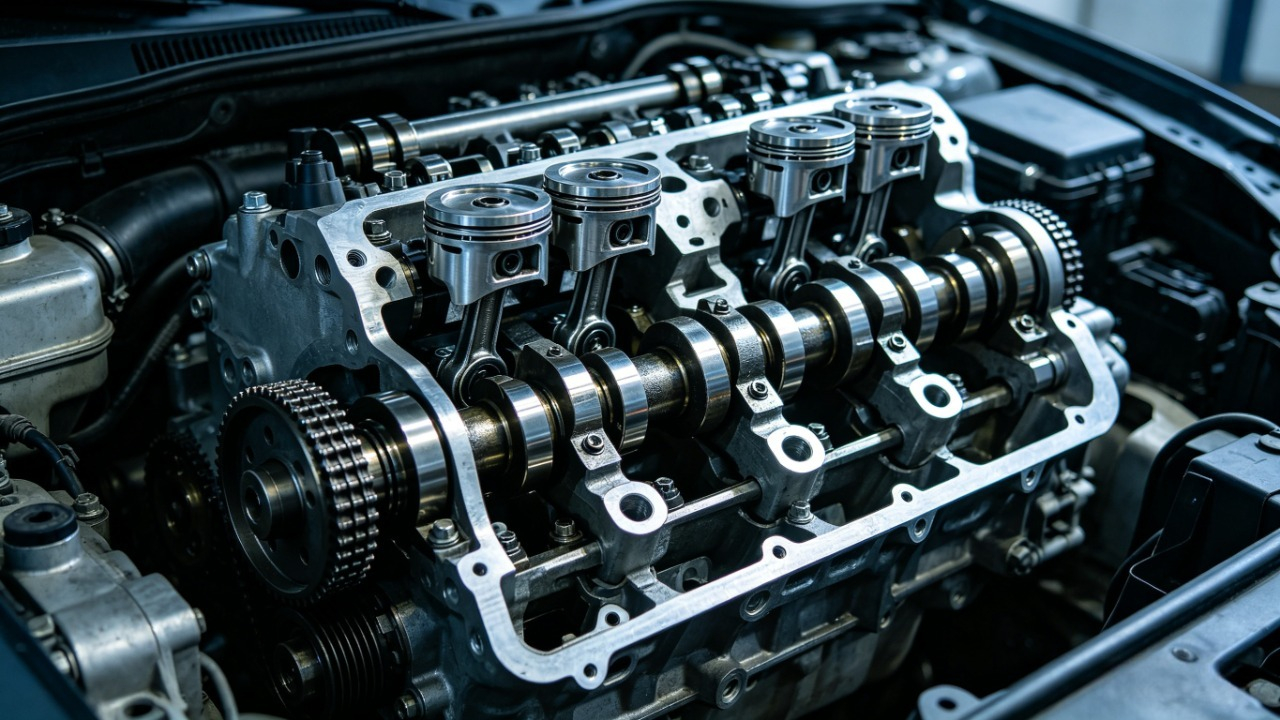
1. Flexible & Rubber Seals: The "Age-Watch" Group
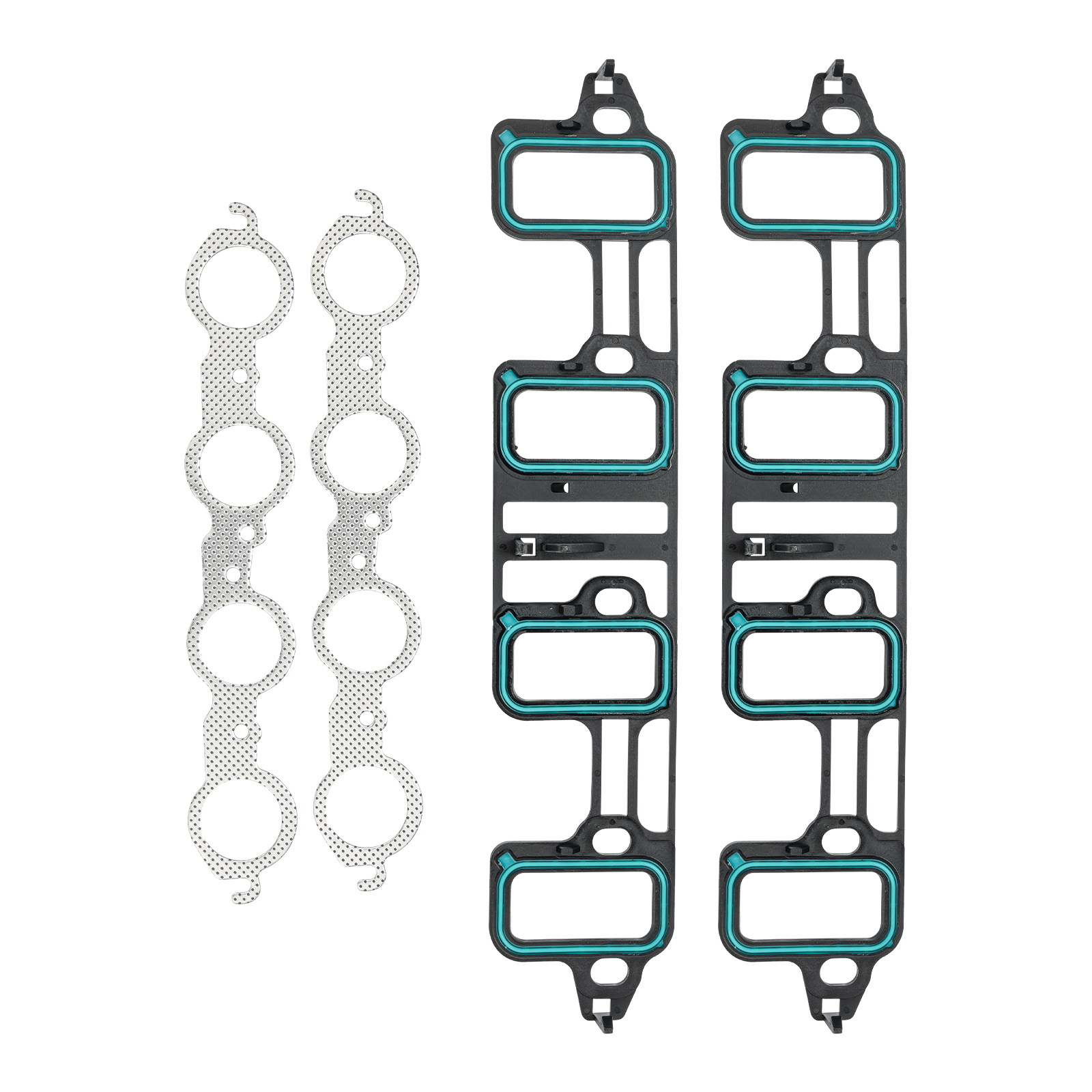
- Includes: Engine Overhaul Gasket Kits, Valve Cover Gaskets.
- The Logic: These parts are the "connectors and insulators". Their biggest enemy isn't how far you drive, but Time. Even if a vehicle like a low-mileage Toyota Camry sits in a garage, rubber and composite gaskets naturally dry out, shrink, and become brittle.
- Maintenance Tip: Inspect for "weeping" oil around the cylinder head every 12 months. Don't wait for a puddle; a small damp spot is the "early warning" signal that the rubber has lost its elasticity.
2. Structural & Kinetic Wear: The "Mileage-Watch" Group
- Includes: Timing Belt Kits, Belt Tensioners.
- The Logic: These are Mileage-Dependent parts that perform millions of revolutions. Eventually, the internal springs in a tensioner weaken, and the structural teeth of a timing belt wear down.
- Maintenance Tip: Follow your odometer religiously. For many interference engines, such as those found in an older Honda Civic, timing kits require replacement every 60,000 to 100,000 miles. For tensioners, listen for a "chirp" or "squeal" during cold starts—this is the bearing telling you its internal lubrication is gone.
3. Rigid Protection: The "Environment-Watch" Group
- Includes: Oil Pans, Engine Protection Covers (Underpans).
- The Logic: These are Environment-Dependent. They fail due to external trauma (road debris) or chemical corrosion (road salt).
- Maintenance Tip: Perform a "Visual Ironclad Inspection" during every oil change. Look for dents in the oil pan of your Ford F-150 that could restrict the oil pickup tube, and ensure protection covers are securely fastened to prevent aerodynamic "flapping" that can damage other parts.
4. Vibration Isolation: The "Stress-Watch" Group
- Includes: Engine Mounts.
- The Logic: These parts are a hybrid of Age and Stress. The rubber inserts perish over time, while aggressive driving (heavy acceleration/braking) accelerates their physical tearing.
- Maintenance Tip: Check for "collapsed" rubber. If you feel increased vibration in the steering wheel at idle, or hear a "clunk" when shifting a Nissan Altima into gear, your mounts have lost their damping ability.
⚠ Pro-Active Warning: Intercepting the "Upstream" Failure
In modern maintenance philosophy, Upstream health = Downstream longevity. Most parts fail prematurely because of "Chemical Poisoning" from upstream systems:
- Check your PCV System: A clogged PCV valve creates high pressure that blows out new Valve Cover Gaskets and Oil Pan seals.
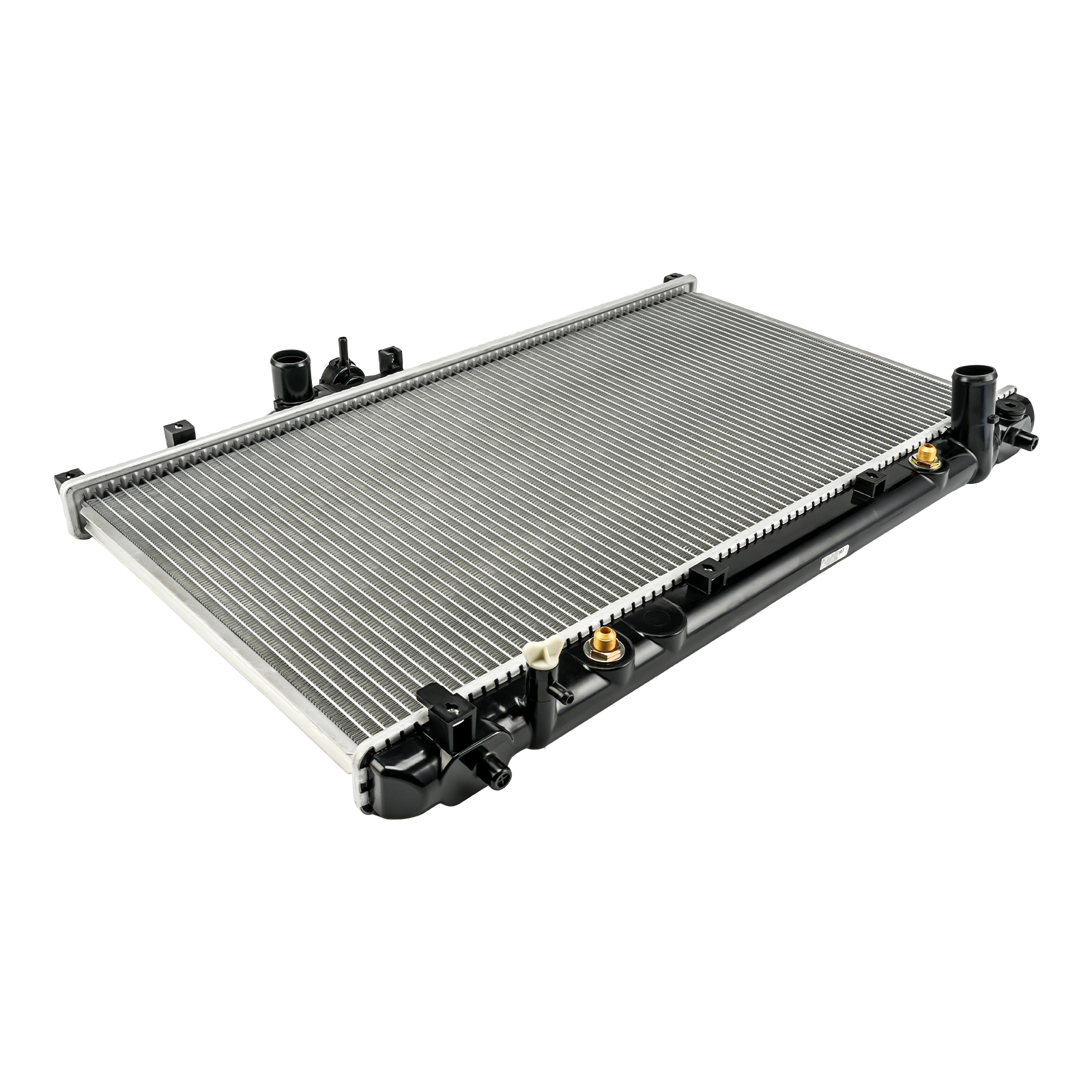
- Monitor Coolant Levels: Overheating doesn't just hurt the engine; it "cooks" the rubber in your Timing Belt and Engine Mounts, causing them to fail years earlier than expected.
Critical "Watch-Outs": Common Buying Mistakes
Beyond basic fitment, pay attention to these "Logic Traps" to avoid ordering the wrong part:
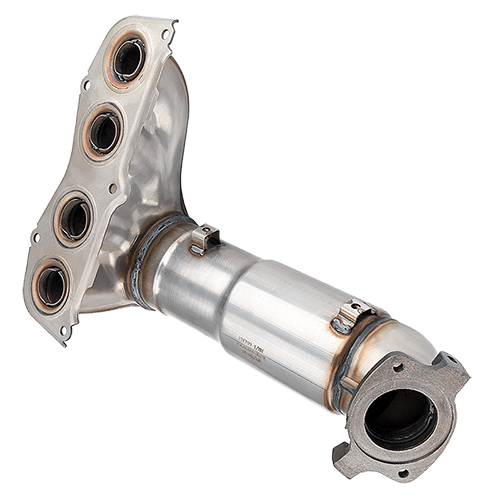
- Emission Certification (The Legal Line): For any engine component affecting exhaust, confirm if your car is EPA (Federal) or CARB (California) certified.
- Structural Orientation: Many Engine Mounts and Tensioners are specific to the Left (Driver Side) or Right (Passenger Side). Always determine orientation while sitting inside the vehicle.
- The "Kit" Necessity: When replacing a Timing Belt, always buy the kit with the Water Pump. Replacing the belt without the pump is a high-risk error; if the old pump leaks later, you have to pay the heavy labor fee all over again.
- Material Specs: Ensure you know if your engine requires a Plastic or Aluminum Valve Cover. They are not always interchangeable and require different torque specifications.
Summary
By understanding the physics of how your parts fail, you can intercept trouble before it turns into a "Red Alert" repair bill. Whether you are browsing for a single gasket or a full Here we offer top-quality products. maintenance kit, prioritizing these diagnostic steps ensures your vehicle stays on the road longer.
Disclaimer: Our Mechanic Advisor provides information for educational purposes only and not as professional automotive advice. DIY repairs involve risks. If unsure, consult a certified mechanic. We guarantee part fitment based on your selected vehicle details, but are not responsible for misdiagnosis or damage resulting from use of this guide.