



Oil Pan Replacement Guide | Stop Engine Oil Leaks with Proper Installation
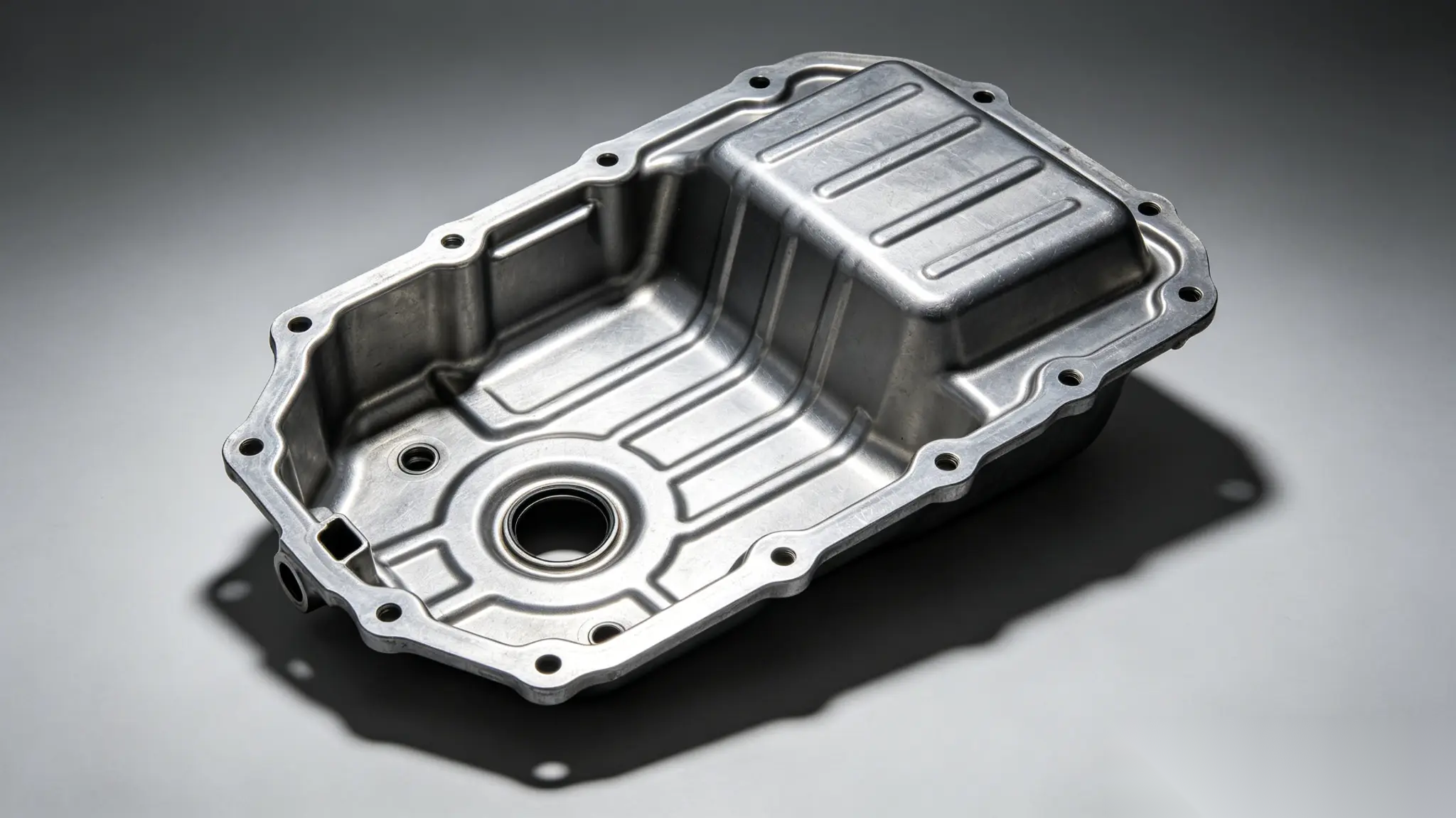
Replacing an Oil Pan is a high-stakes task that falls under the Fluid & Sealing category. While it may look like a simple bolt-on job, even a minor oversight can lead to a "Red Alert" engine failure due to rapid oil loss. Whether you are fixing a leak on a Honda Civic, tackling a gasket blow-out on a Jeep Grand Cherokee, or performing maintenance on a VW Jetta, follow this professional 6-Step Installation Protocol to ensure a factory-grade result.
Step 1: The Tool Audit – Do You Have the "Right Arsenal"?
Before draining a single drop of oil, ensure you have the heavy-duty gear required for a fluid-tight repair.
- Precision Tools: A Torque Wrench is non-negotiable to prevent snapping bolts or warping the pan flange.
- Surface Hygiene: Stock up on lint-free non-woven cloths, brake cleaner, and a plastic gasket scraper to protect delicate aluminum engine blocks from gouging.
- Pro Tip: If you are working on a Subaru Outback, check if you need a specialized 10 mm wobbler socket to reach recessed bolts near the transmission housing.
Step 2: Orientation Logic – Mapping the "Fluid Topology"
- Mirror Mapping: Use your phone to take high-resolution photos of any wiring harnesses, oil level sensors, or brackets bolted to the pan.
- Feature Identification: Identify the location of alignment dowels on the engine block to ensure the new pan seats perfectly.
Step 3: Decontamination – The "Safety Red-Line"
- Interface Decontamination: Thoroughly clean the area around the sealing surface before removal to prevent road grit from falling into the open crankcase.
- Chemical Support: If your vehicle uses a liquid gasket—common on many Nissan and Hyundai models—ensure you have the correct high-temperature, oil-resistant RTV sealant ready.
Step 4: Strategic Teardown – Avoiding the "Warp Trap"
- Fluid-First Principle: Drain the oil completely into a dedicated catch pan before loosening any fasteners.
- Unlocking Sequence: Loosen the bolts in a "criss-cross" pattern. This prevents the old pan from warping or binding during removal, which is critical for the thin-walled pans found on a Mazda CX-5.
Step 5: The "Pro-Fit" Execution – Precision Integration
- Surgical Cleanliness: Use a dedicated cleaner to remove all traces of old oil; the metal must be surgically clean.
- The 3mm Bead: Apply a thin, continuous bead of RTV sealant (approximately 3 mm wide) to the pan's mating surface. If your car uses a rubber gasket, lightly coat it with fresh engine oil to help it seat.
- Hand-Start Only: Place the pan against the block and hand-thread 3–5 bolts first. This prevents catastrophic cross-threading into the engine block—a $2,000 mistake.
- The Torque Sequence: Tighten the bolts in multiple passes using a star or spiral pattern from the center outward to reach exact factory torque specifications.
Step 6: The "Verification Loop" – The Cure & Check
- Cure Time: If using RTV, wait at least one hour before adding oil and 24 hours before high-load driving.
- Logic Self-Check: Refill with fresh oil, check the dipstick, and perform an idling leak check for 10–15 minutes to confirm there are no drips.
Model Variations: What to Watch For
- Aluminum vs. Steel: Aluminum pans (common on the Chrysler 300) are brittle and can crack if over-tightened, while steel pans are prone to rusting if the coating is scratched.
- Clearance Issues: In some Front-Wheel Drive cars like the Hyundai Elantra, you may need to loosen a subframe mount or remove the exhaust downpipe just to gain enough clearance to remove the pan.
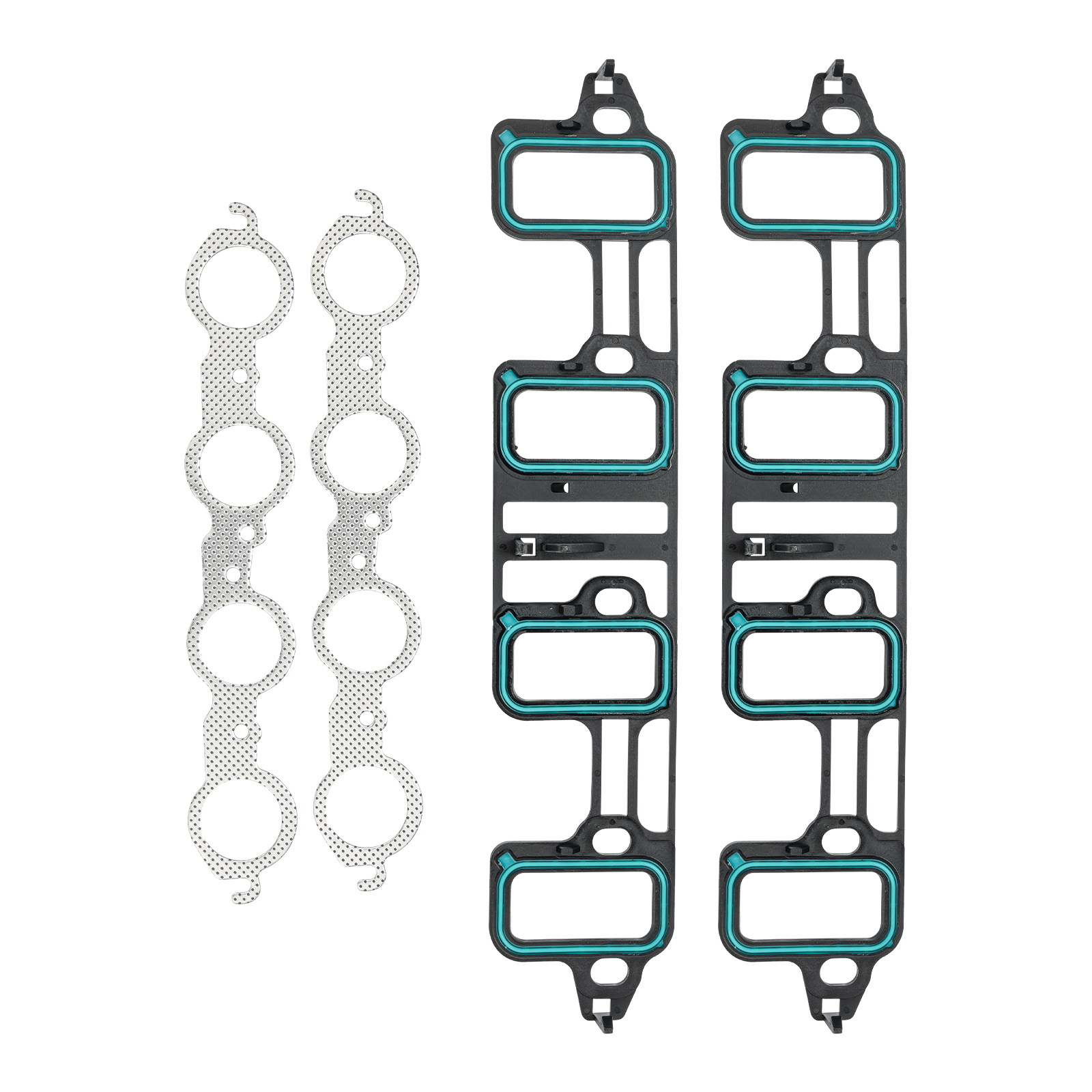
- Gasket Logic: Many modern European models use pre-formed rubber gaskets, while Asian and Domestic models rely on RTV. Never use both unless specifically instructed by your service manual.
Disclaimer: Our Mechanic Advisor provides information for educational purposes only and not as professional automotive advice. DIY repairs involve risks. If unsure, consult a certified mechanic. We guarantee part fitment based on your selected vehicle details, but are not responsible for misdiagnosis or damage resulting from use of this guide.