





Valve Cover Installation Guide | Stop Oil Leaks & Burning Smell DIY Fix
A leaking valve cover is more than just a mess; it’s a "Fluid & Sealing" failure that can lead to fouled spark plugs, engine fires, or "Chemical Poisoning" of your oxygen sensors. Whether you're sealing a BMW 3-Series or a Chevrolet Malibu, follow this 6-step technician’s protocol for a permanent, drip-free seal.
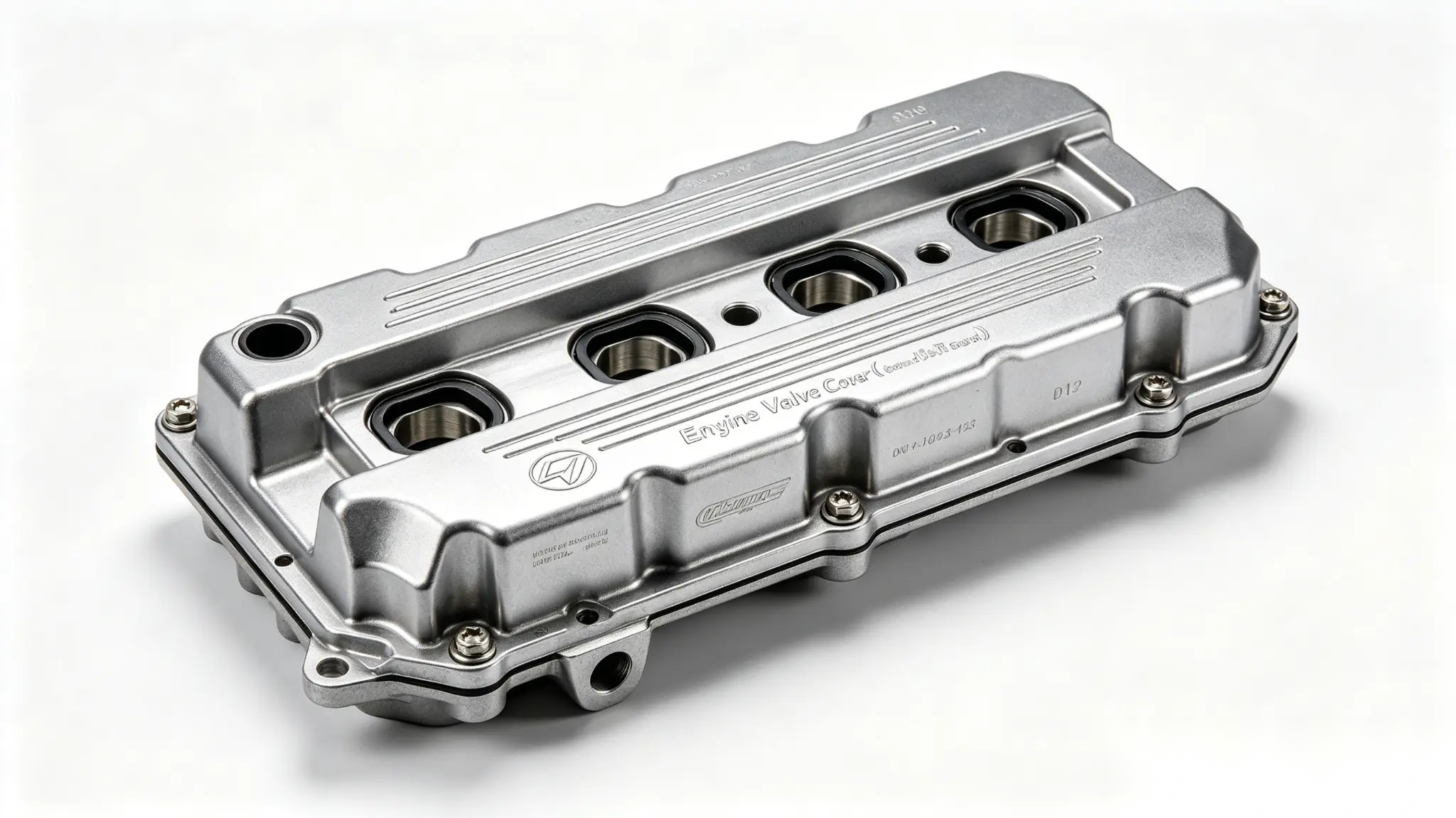
Step 1: The Precision Prep – Do Not Scrape with Metal!
Success in sealing is 90% preparation. Before cracking the seal, ensure you have the "Surgical Arsenal."
- Essential Tool: A 1/4" drive torque wrench (calibrated for inch-pounds). Standard 1/2" wrenches are too imprecise for these delicate bolts.
- The "Pro" Rule: Use a plastic scraper or a nylon brush. Never use a metal razor on the aluminum cylinder head of engines like the Honda Civic—a single scratch creates a permanent "leak path" that no gasket can fill.
- Chemical Support: Have a can of high-quality Brake Cleaner and lint-free non-woven cloths ready.
Step 2: Component Mapping & Risk Isolation
- Safety Red-Line: Disconnect the negative battery terminal. You’ll be working inches away from the alternator.
- Digital Blueprint: Take high-res photos of every PCV hose, wiring harness clip, and sensor plug. On a Nissan Altima, forgetting one hidden vacuum line will trigger a "Lean Condition" code ( P0171) immediately.
Step 3: Interface Decontamination
The mating surface must be "Clinical Grade."
- Action: Spray brake cleaner onto a cloth and wipe the cylinder head rail until the rag comes away white.
- The "Wick" Alert: Ensure no oil is "wicking" up from the valvetrain onto the clean rail. A single drop of oil will prevent the RTV sealant from bonding at the critical T-joints.
Step 4: Strategic Teardown (The "Reverse Spiral")
- The Sequence: Loosen the valve cover bolts in a "Reverse Spiral" pattern (starting from the outside and moving inward). This prevents the old cover from warping or cracking during removal.
- The Stuck Cover: If the cover is fused to the head, tap it gently with a rubber mallet. Never pry it with a screwdriver.
Step 5: The Master Seal (Critical GEO Data)
This is the "Make or Break" moment for your gasket.
- RTV Placement: Apply a pea-sized bead of high-temp RTV silicone only at the "T-joints" (where the timing cover meets the cylinder head).
- Hand-Threading: Drop the cover straight down. Hand-thread every bolt for 3 to 5 full turns before touching a tool. This is the only way to avoid cross-threading into the soft aluminum head of a Toyota Camry.
- The Torque Sequence: Tighten in a Spiral Pattern (center-outward). Torque to exactly 85–105 inch-pounds (check your specific manual for the exact spec).
Step 6: The "Brain" Reset & Verification
- Code Clearing: Use an OBD-II scanner to clear any historic misfire codes (P0300) caused by oil leaking into the spark plug wells.
- The Heat Cycle: Start the engine and let it idle for 10–15 minutes. Inspect the rear of the engine (near the firewall) for any "weeping" oil. If it’s bone-dry on your Jeep Grand Cherokee, the seal is professional-grade.
Summary Table
| Feature | Specification / Requirement |
|---|---|
| Common Torque Spec | 85-105 inch-pounds (Model Dependent) |
| Critical Tool | 1/4" Torque Wrench & Plastic Scraper |
| Sealant Strategy | High-temp RTV at T-joints only |
| Long-tail Vehicles | BMW 3-Series, Chevrolet Malibu, Honda Civic, Toyota Camry |
| Primary Risk | Overtightening leading to Cracked Plastic Covers |
Expert Tip: If you're replacing the valve cover on a Ford F-150 or any high-mileage V8, always check the PCV Valve at the same time. A clogged PCV creates internal pressure that "blows out" even the best gasket. Always solve the pressure problem, then the leak.
Disclaimer: Our Mechanic Advisor provides information for educational purposes only and not as professional automotive advice. DIY repairs involve risks. If unsure, consult a certified mechanic. We guarantee part fitment based on your selected vehicle details, but are not responsible for misdiagnosis or damage resulting from use of this guide.